Identifying Pests on Your Roses 🐞
Rosa spp.
By the Greg Editorial Team
Oct 09, 2024•7 min read
This article was created with the help of AI so we can cover more plants for you. May contain errors. See one? Report it here.
- 🐛 Identify pests like spider mites and aphids by their unique signs on roses.
- 🌱 Healthy care practices deter pests; focus on soil, watering, and air circulation.
- 🌼 Regular inspections and companion planting enhance pest resistance in your rose garden.
Common Pests Affecting Roses
🕷️ Spider Mites
Identification and Signs of Infestation
Spider mites are tiny, spider-like creatures that can be red or green. Look for fine webbing on leaves and stippled or yellowing foliage as signs of their presence.
Damage Caused by Spider Mites
These pests can significantly damage leaves, reducing photosynthesis and overall plant vigor. You might also notice sticky leaves due to honeydew secretion, which can attract other pests.
Treatment Options
For chemical control, use miticides specifically designed for spider mites. Organic options include neem oil, insecticidal soap, and increasing humidity around the plants.
🐜 Aphids
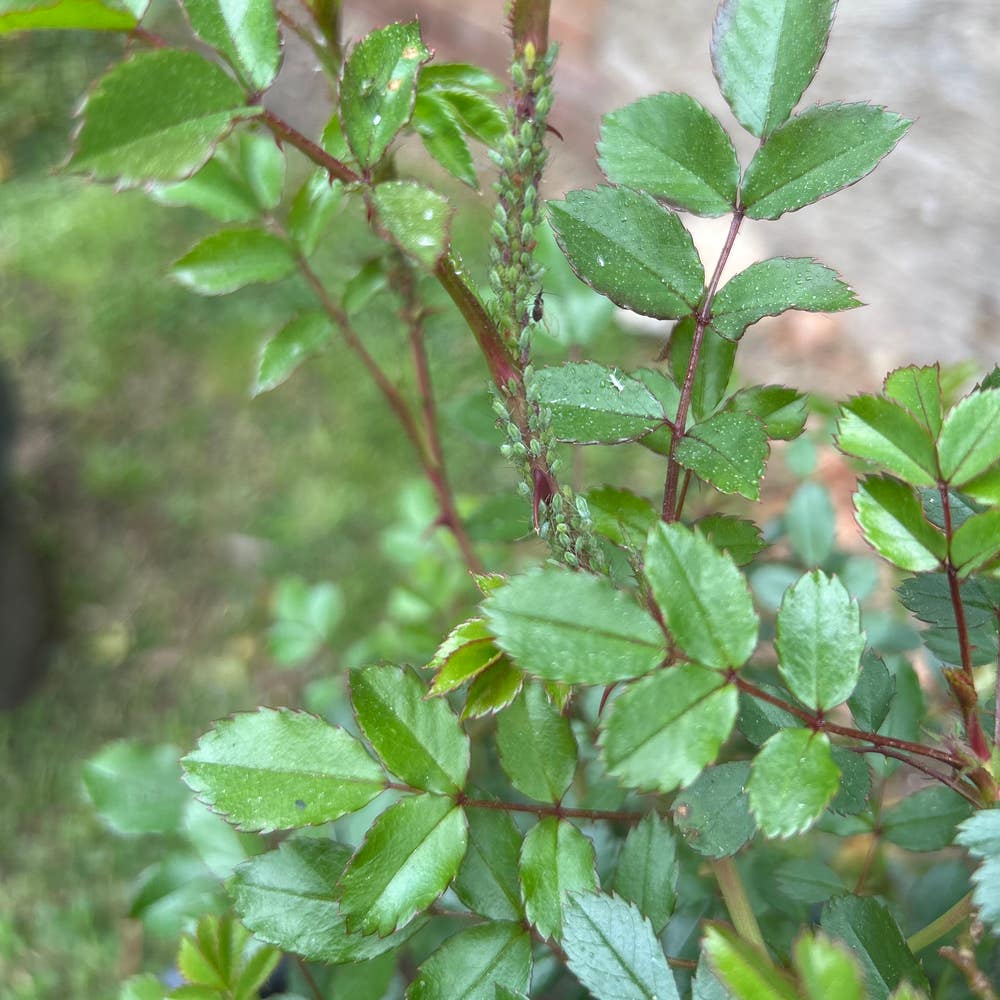
Identification and Signs of Infestation
Aphids are small, soft-bodied insects that are often green or black. Signs of infestation include curling leaves, sticky residue (honeydew), and the presence of ants, which are attracted to the honeydew.
Damage Caused by Aphids
These pests feed on plant sap, leading to stunted growth and distorted leaves. They can also transmit plant viruses, making them a serious concern for rose health.
Treatment Options
Chemical treatments involve systemic insecticides that target aphids effectively. For organic control, consider introducing ladybugs, using neem oil, or applying insecticidal soap.
🦋 Whiteflies
Identification and Signs of Infestation
Whiteflies are tiny, white, moth-like insects found on the undersides of leaves. Look for yellowing leaves and honeydew accumulation as indicators of an infestation.
Damage Caused by Whiteflies
Feeding on plant sap weakens the plants and can promote sooty mold growth. This not only affects the plant's health but also its appearance.
Treatment Options
Chemical insecticides specifically targeting whiteflies can be effective. Organic methods include using yellow sticky traps, insecticidal soap, and introducing natural predators.
❄️ Mealybugs
Identification and Signs of Infestation
Mealybugs appear as white, cottony masses on stems and leaves. Signs of infestation include wilting leaves and a sticky residue on the plant.
Damage Caused by Mealybugs
These sap-sucking pests weaken plants and can promote fungal growth. Their presence can lead to significant health issues for your roses.
Treatment Options
For chemical control, systemic insecticides are recommended. Organic treatments include applying rubbing alcohol directly to the pests or using neem oil.
🐢 Scale Insects
Identification and Signs of Infestation
Scale insects have small, hard, shell-like bodies that attach to stems and leaves. Signs include yellowing leaves and sticky surfaces from honeydew.
Damage Caused by Scale Insects
These pests feed on sap, which can weaken plants and potentially lead to dieback. Their presence can severely impact the health of your roses.
Treatment Options
Chemical treatments involve horticultural oils and systemic insecticides. For organic control, manual removal and insecticidal soap can be effective.
🌹 Rose Weevils
Identification and Signs of Infestation
Rose weevils are small, dark beetles with elongated snouts. Look for irregular holes in leaves and the presence of larvae as signs of infestation.
Damage Caused by Rose Weevils
These pests cause leaf damage that affects overall plant health and aesthetics. Their feeding can lead to significant stress on your roses.
Treatment Options
Insecticides targeting beetles are available for chemical control. For organic methods, handpicking the pests and introducing beneficial nematodes can help manage populations.
Understanding these common pests and their impacts is crucial for maintaining healthy roses. With the right identification and treatment strategies, you can protect your plants and enjoy their beauty year-round. Next, let’s explore pest resistance in roses and how certain varieties can help you combat these issues more effectively.
Pest Resistance in Roses
Natural Pest Resistance Traits 🌹
Roses can be surprisingly resilient, thanks to certain cultivars that possess inherent pest resistance. These varieties have developed traits that help them fend off common pests, making them a smart choice for gardeners looking to minimize chemical interventions.
Some popular resistant varieties include:
- Knock Out Roses: Known for their vibrant blooms and ability to resist black spot and powdery mildew.
- Rugosa Roses: These hardy plants are not only beautiful but also tough against aphids and spider mites.
- David Austin Roses: Many of these English roses exhibit strong resistance to diseases, making them a favorite among rose enthusiasts.
Pests Less Likely to Affect Roses 🐛
While many pests can wreak havoc on roses, some are less likely to cause significant damage. For instance, pests like lace bugs and certain caterpillars tend to avoid roses, often preferring other plants.
Environmental factors play a crucial role in this resistance. Healthy soil, proper watering, and good air circulation can create an environment that deters pests. Additionally, planting roses in well-drained areas with plenty of sunlight can further reduce the likelihood of infestations.
Understanding these natural resistance traits and the pests that typically avoid roses can empower you to make informed choices in your gardening journey. This knowledge not only enhances your rose garden's health but also fosters a more sustainable approach to pest management.
As we delve deeper into maintaining your roses, let’s explore effective prevention strategies that can keep your blooms thriving.
Prevention Strategies for Roses
🌿 Plant Hygiene Practices
Maintaining cleanliness in your rose garden is crucial. Regularly remove debris and dead leaves to minimize hiding spots for pests.
Additionally, clean your gardening tools frequently. This simple step can prevent the spread of pests from one plant to another.
🔍 Regular Inspection Routines
Establishing a routine for inspecting your roses can make a significant difference. Aim for weekly checks to catch any potential infestations early.
During these inspections, look for signs like discoloration, webbing, or sticky leaves. Early detection is key to effective pest management.
🌱 Environmental Factors That Deter Pests
Creating an environment that discourages pests is essential. Companion planting with pest-repelling plants can be a game-changer for your roses.
Moreover, maintaining healthy soil and practicing proper watering techniques fosters robust plants. Healthy roses are less likely to fall victim to pests, making your gardening efforts more rewarding.
By implementing these prevention strategies, you can enjoy a thriving rose garden while minimizing pest issues. Next, let’s explore the principles of integrated pest management to further protect your roses.
General Pest Management for Roses
🌱 Principles of Integrated Pest Management (IPM)
Integrated Pest Management (IPM) is a holistic approach that combines cultural, biological, and chemical methods to manage pests effectively. This strategy emphasizes understanding pest life cycles and behaviors, allowing for targeted interventions that minimize harm to beneficial organisms.
Monitoring and record-keeping are crucial components of IPM. By tracking pest populations and their impacts, you can make informed decisions about when and how to act, ensuring a proactive rather than reactive approach.
🔍 Importance of Early Detection and Intervention
Catching infestations early can save your roses from significant damage. Regular inspections help identify pests before they become a larger problem, allowing for timely interventions.
When you detect pests, take immediate action. This could involve removing affected leaves, applying organic treatments, or introducing beneficial insects to restore balance.
📅 Seasonal Variations in Pest Prevalence
Pest populations can fluctuate dramatically with the seasons. Warmer months often see an uptick in activity, while colder weather can reduce pest numbers.
Adjust your care routines seasonally to mitigate pest issues. For instance, increase monitoring during peak seasons and consider preventive measures, such as companion planting, to deter pests before they arrive.
By implementing these strategies, you can maintain the health and beauty of your roses while minimizing pest-related challenges. Next, let’s explore how to enhance your roses' natural defenses against pests.
Distinguishing Between Similar Pests
🕵️♂️ Tips for Identifying Different Pests
Identifying pests on your roses can be tricky, especially when similar species invade. Focus on key characteristics like size, color, and body shape to differentiate them effectively.
Close inspection is crucial. Taking clear pictures can help you compare and identify pests accurately later on.
🔍 Visual Cues and Signs to Differentiate Pests
Each pest leaves unique signs that can aid in identification. For instance, spider mites create fine webbing, while aphids produce a sticky residue known as honeydew.
Using magnifying tools can enhance your ability to spot these details. This close-up view can reveal specific symptoms, making it easier to determine the exact pest troubling your roses.
Understanding these distinctions is vital for effective pest management. With the right knowledge, you can take action before infestations escalate.
Next, let’s explore the natural pest resistance traits found in various rose cultivars.
⚠️ Safety First
This content is for general information and may contain errors, omissions, or outdated details. It is not medical, veterinary advice, or an endorsement of therapeutic claims.
Always consult a qualified healthcare professional before using any plant as food, medicine, or supplement.
Never eat any plant (or feed one to pets) without confirming its identity with at least two trusted sources.
If you suspect poisoning, call Poison Control (800) 222-1222, the Pet Poison Helpline (800) 213-6680, or your local emergency service immediately.
Spotted an error? Please report it here.
Keep your roses pest-free 🌿 and thriving with Greg's tailored care tips and timely alerts that empower you to tackle infestations before they take hold!