Reasons Your Roses Leaves Are Turning Yellow 🌼
Rosa spp.
By the Greg Editorial Team
Oct 09, 2024•6 min read
This article was created with the help of AI so we can cover more plants for you. May contain errors. See one? Report it here.
- 🌱 Yellow leaves indicate issues like nutrient deficiencies, pests, or watering problems.
- 💧 Overwatering suffocates roots, while under-watering causes dry edges; balance is crucial.
- 🐛 Pests like aphids and spider mites can harm roses; manage them promptly for health.
Causes of Yellowing Leaves
🌱 Nutrient Deficiencies
Nitrogen Deficiency
Nitrogen deficiency is a common issue that manifests as pale green to yellow leaves, particularly starting from the older leaves. This nutrient is crucial for leaf growth and overall plant vigor, so addressing it promptly is essential.
To remedy nitrogen deficiency, use a balanced fertilizer that contains adequate nitrogen. This simple solution can significantly enhance your rose's health and appearance.
Iron Deficiency (Chlorosis)
Iron deficiency, or chlorosis, presents as yellowing between leaf veins while the veins themselves remain green. This condition typically affects younger leaves first and often indicates poor soil pH or nutrient uptake issues.
To combat iron deficiency, apply iron chelates or adjust the soil pH to improve iron availability. This adjustment can revitalize your roses and restore their lush green color.
💧 Watering Issues
Overwatering Effects
Overwatering can lead to yellowing leaves, wilting, and even root rot. Poor drainage from excessive watering deprives the roots of oxygen, which is vital for healthy growth.
To prevent overwatering, ensure your soil has good drainage and adjust your watering frequency accordingly. This simple change can make a world of difference for your roses.
Under-watering Effects
Under-watering results in yellowing leaves with dry and crispy edges. This stress on the plant can lead to reduced growth and flowering.
Establishing a consistent watering schedule and regularly checking soil moisture can help prevent under-watering. Your roses will thrive with the right balance of hydration.
🐛 Pests and Diseases
Common Pests
Aphids
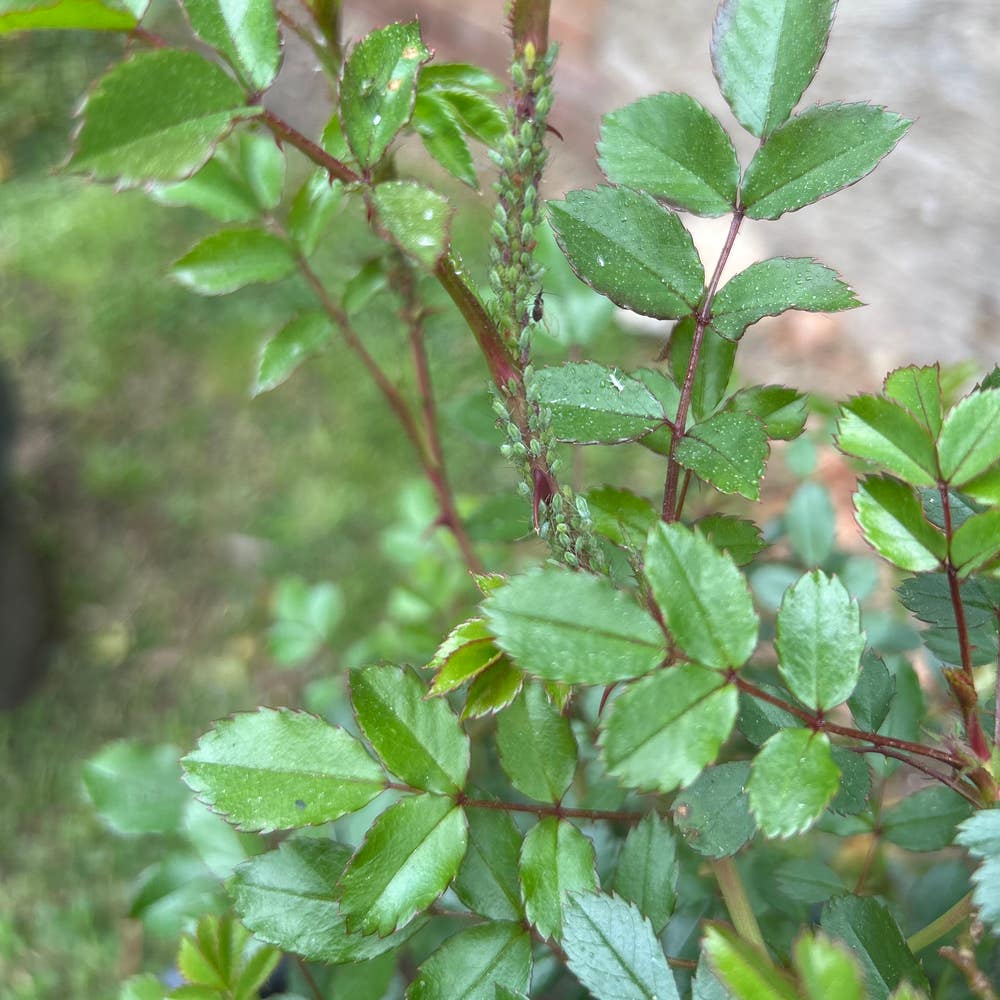
Aphids are notorious for causing curling leaves and leaving a sticky residue on the foliage. These pests weaken plants and can lead to further infestations if not controlled.
To manage aphids, use insecticidal soap or introduce beneficial insects like ladybugs. These methods can help keep your roses healthy and pest-free.
Spider Mites
Spider mites create fine webbing and stippled leaves, which can lead to leaf drop and reduced vigor. These tiny pests thrive in dry conditions, making them a common issue for rose growers.
Increasing humidity and applying miticides when necessary can help control spider mite populations. Keeping your roses vigorous is key to their beauty.
Fungal Diseases
Powdery Mildew
Powdery mildew appears as white powdery spots on leaves, reducing photosynthesis and overall plant health. This fungal disease thrives in humid conditions and can quickly spread if not addressed.
Using fungicides and improving air circulation around your plants can effectively combat powdery mildew. Taking these steps will help maintain your roses' vitality.
Black Spot
Black spot is characterized by dark spots with fringed edges on leaves, leading to premature leaf drop and weakened plants. This fungal disease can be detrimental if left untreated.
To manage black spot, remove affected leaves and apply fungicides as needed. Staying proactive will keep your roses looking their best.
With a clear understanding of these causes, you can take effective steps to address yellowing leaves in your roses. Next, let’s explore how to diagnose these issues accurately.
Diagnosing Yellow Leaves
👀 Visual Symptoms to Look For
Identifying the cause of yellowing leaves is crucial for your roses' health. Start by examining the leaf appearance; nutrient deficiencies often present as a uniform yellow, while watering issues may show uneven yellowing or wilting.
Look closely at the leaf texture as well. If you notice curling or sticky residue, pests like aphids might be the culprit. Observing these visual cues helps you pinpoint the underlying issue effectively.
🌱 Soil and Environmental Factors
Soil health plays a significant role in your roses' vitality. Testing the soil pH is essential; roses thrive best in a range of 6.0 to 6.8. If the pH is off, nutrient uptake can be severely hindered.
Next, assess your soil's drainage and moisture retention. Poor drainage can lead to root rot, while overly dry soil stresses the plant. Lastly, evaluate sunlight exposure and temperature conditions, as these factors can significantly impact your roses' overall health.
By understanding these elements, you can take proactive steps to ensure your roses flourish.
Treatment Options
🌱 Nutrient Supplementation
Fertilizers
When it comes to fertilizers, you have several options: granular, liquid, and slow-release. Each type has its unique benefits, but a balanced NPK ratio—typically around 10-10-10 or 5-10-5—will support robust rose growth.
Organic Options
For those leaning towards natural solutions, compost and well-rotted manure are excellent choices. These organic amendments not only nourish your roses but also enhance soil health, promoting a thriving garden ecosystem.
🐞 Pest Control Methods
Insecticidal Soaps
Insecticidal soaps can be a game-changer for pest control. Apply them early in the morning or late in the evening for maximum effectiveness, and always consider the safety of beneficial insects like ladybugs when using these products.
Neem Oil
Neem oil serves as a powerful natural pesticide. For best results, apply it every 7 to 14 days, ensuring you dilute it properly to avoid harming your plants.
🦠 Disease Management
Fungicides
Choosing the right fungicide is crucial for maintaining healthy roses. Look for products specifically formulated for roses and follow the recommended application methods and timing to achieve the best results.
Cultural Practices to Prevent Disease
Preventing disease starts with good cultural practices. Ensure proper spacing and regular pruning to enhance air circulation, and make it a habit to clean up fallen leaves and debris, which can harbor pathogens.
By implementing these treatment options, you can effectively address the yellowing leaves of your roses and promote their overall health. Next, let’s explore some preventive measures to keep your roses thriving.
Preventive Measures
Proper Watering Techniques 🌊
Establishing a consistent watering schedule is crucial for healthy roses. Adjust your routine based on weather conditions and soil moisture levels to ensure your plants thrive.
Deep watering is more effective than frequent shallow watering. This encourages roots to grow deeper, making your roses more resilient to drought.
Soil Health and Amendments 🏵️
Regular soil testing helps you monitor nutrient levels and pH. Aim for a pH between 6.0 and 6.8 for optimal rose growth.
Consider adding organic amendments like compost or well-rotted manure. These improve soil structure and fertility, providing essential nutrients for your roses.
Regular Monitoring for Pests and Diseases 🔍
Routine inspections are vital for early detection of pests and diseases. Catching issues early can save your roses from significant damage.
Keeping a garden journal can be a game-changer. Track plant health and interventions to refine your care routine and ensure your roses flourish.
By implementing these preventive measures, you can maintain vibrant, healthy roses that bring beauty to your garden. Next, let’s explore effective treatment options for when issues do arise.
⚠️ Safety First
This content is for general information and may contain errors, omissions, or outdated details. It is not medical, veterinary advice, or an endorsement of therapeutic claims.
Always consult a qualified healthcare professional before using any plant as food, medicine, or supplement.
Never eat any plant (or feed one to pets) without confirming its identity with at least two trusted sources.
If you suspect poisoning, call Poison Control (800) 222-1222, the Pet Poison Helpline (800) 213-6680, or your local emergency service immediately.
Spotted an error? Please report it here.
Keep your roses vibrant 🌹 by using Greg's tailored tips to tackle yellowing leaves caused by nutrient deficiencies, watering issues, and pests!