🌹 How to Fix Curling Leaves on Your Roses
Rosa spp.
By the Greg Editorial Team
Oct 09, 2024•6 min read
This article was created with the help of AI so we can cover more plants for you. May contain errors. See one? Report it here.
- 🌱 Curling leaves indicate stress from pests, drought, or nutrient deficiencies.
- 💧 Consistent watering and proper fertilization are crucial for healthy roses.
- 🐞 Regular inspections for pests can prevent significant damage to your roses.
Causes of Curling Leaves
🌪️ Environmental Stress Factors
Environmental stress in roses refers to the adverse effects caused by external conditions that disrupt their growth. Common stressors include heat and drought, both of which can significantly impact leaf structure and function.
Heat
High temperatures can cause leaves to curl as the plant attempts to conserve moisture. This response can lead to wilting and reduced photosynthesis, ultimately affecting overall health.
Drought
Insufficient moisture is another major stressor. When roses don’t receive enough water, their leaves may curl and discolor, signaling distress.
Signs of Stress
Look for signs like wilting, discoloration, and curling leaves. These symptoms indicate that your roses are struggling and need immediate attention.
🐛 Pest Infestations
Pests can wreak havoc on your roses, leading to curling leaves and other issues. Two common culprits are aphids and spider mites.
Aphids
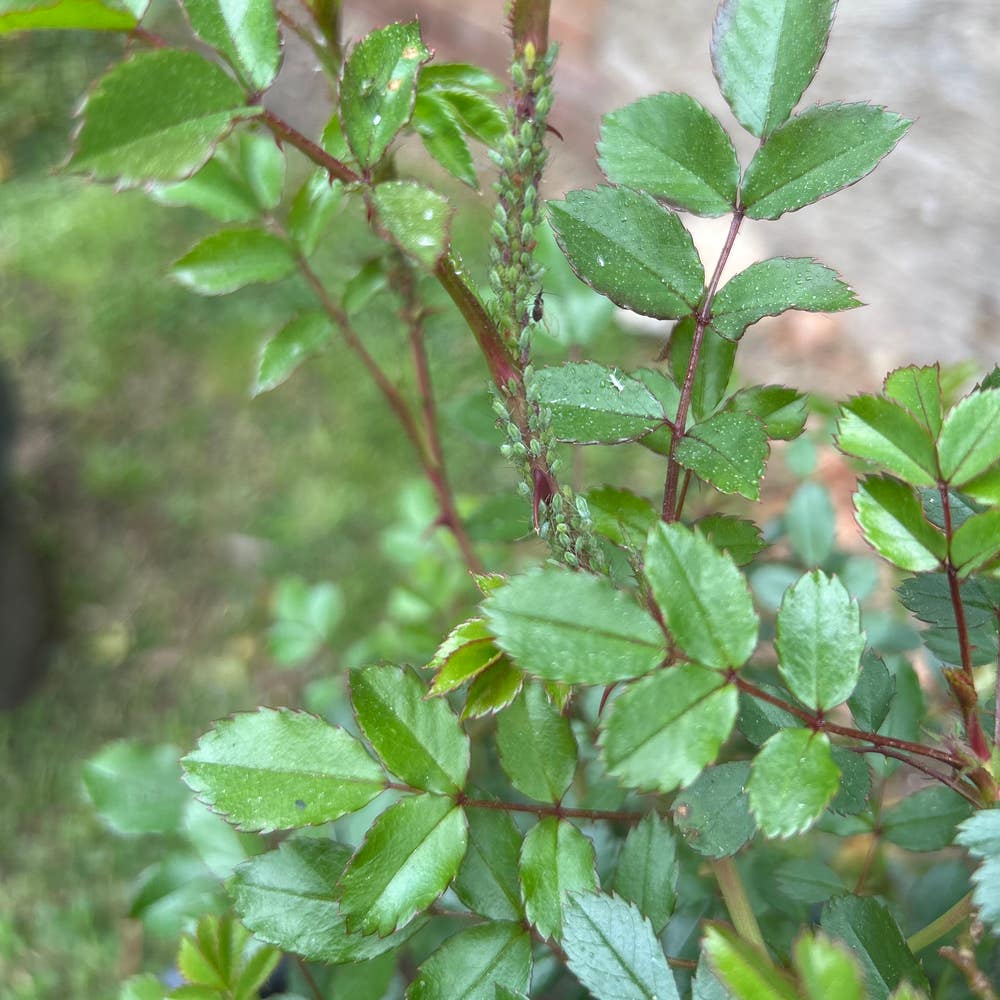
Aphids are small, soft-bodied insects, often green or black. They cause damage by sucking sap from the leaves, resulting in curling, stunted growth, and a sticky residue known as honeydew.
Spider Mites
Spider mites are tiny, spider-like creatures typically found on the undersides of leaves. Their feeding habits create fine webbing and stippled leaves, which can also lead to curling.
🥦 Nutrient Deficiencies
Nutrient deficiencies can severely impact rose health, causing curling leaves among other symptoms.
Common Nutrient Deficiencies
- Nitrogen: A lack of nitrogen often leads to yellowing and curling of older leaves.
- Magnesium: Deficiency manifests as interveinal chlorosis and curling.
Balanced fertilization is crucial for maintaining healthy roses and preventing these deficiencies.
🍄 Fungal Infections
Fungal infections can also contribute to curling leaves, with powdery mildew being a common issue.
Powdery Mildew
Powdery mildew appears as white, powdery spots on leaves. This infection can lead to curling and overall plant decline, especially in conditions of high humidity and poor air circulation.
Understanding these causes is essential for diagnosing and treating curling leaves on your roses. By identifying the underlying issues, you can take effective steps to restore their health. Next, we’ll explore how to diagnose curling leaves accurately.
Diagnosing Curling Leaves
🌿 Identifying Symptoms
Curling leaves can manifest in two distinct ways: upward or downward curling. Observing these patterns helps pinpoint the underlying issue.
Color changes are also crucial indicators. Look for yellowing, browning, or spotting, as these can signal stress or disease.
🐛 Differentiating Between Pest and Disease Issues
Understanding the difference between pests and diseases is vital for effective treatment. Key indicators of pest infestations include visible insects or sticky residue, while disease symptoms often present as discoloration or wilting.
Don't forget to examine both sides of the leaves. Many pests, like aphids and spider mites, hide on the undersides, making thorough inspections essential.
🌧️ Assessing Environmental Conditions
Recent weather changes can significantly impact your roses. Heat waves, drought, or heavy rainfall can all contribute to leaf curling.
Additionally, checking soil moisture levels and drainage quality is crucial. Poor drainage can lead to root stress, exacerbating leaf issues.
Treatment Options
🐞 Organic Pest Control Methods
One effective way to manage pests on your roses is by introducing beneficial insects like ladybugs and lacewings. These natural predators feast on aphids and other harmful pests, helping to keep your garden healthy.
Another option is to create a homemade insecticidal soap. Mix one tablespoon of liquid soap with a quart of water, then spray it directly on the affected areas. This method is safe for your plants and can effectively eliminate pests without harsh chemicals.
⚗️ Chemical Treatments
If organic methods aren't enough, consider using chemical treatments. For aphids and spider mites, look for pesticides specifically designed for these pests. Always follow the manufacturer's instructions to ensure safe and effective application.
For fungal issues like powdery mildew, fungicides can be a game-changer. Apply these treatments as soon as you notice symptoms to prevent further damage to your roses.
🌱 Nutrient Supplementation Techniques
Nutrient deficiencies can also lead to curling leaves, so proper fertilization is crucial. You can choose between slow-release fertilizers, which provide a steady supply of nutrients, or liquid fertilizers for a quick boost.
When applying fertilizers, consider your method. Foliar feeding—spraying nutrients directly onto leaves—can be effective, while soil application ensures that roots absorb what they need.
💧 Watering and Irrigation Adjustments
Consistent watering is vital for rose health. Aim to water deeply but infrequently, allowing the soil to dry out slightly between sessions. This encourages strong root growth.
Improving soil drainage is equally important. Techniques like creating raised beds or adding organic amendments can help prevent waterlogging, ensuring your roses thrive even in heavy rains.
With these treatment options in mind, you can effectively address curling leaves and promote the overall health of your roses. Next, let’s explore preventive measures to keep your plants thriving year-round.
Preventive Measures
Regular Monitoring and Inspection 🌱
Regular inspections are crucial for maintaining healthy roses. Aim for weekly checks to spot pests and symptoms early.
Early detection can save your plants from significant damage. The sooner you identify issues, the easier they are to manage.
Proper Pruning Techniques ✂️
Timing is everything when it comes to pruning. The best times to prune are in early spring or late fall, depending on your climate.
Focus on removing dead or diseased wood to enhance air circulation. This simple act can significantly improve your roses' overall health.
Soil Health and Fertilization Practices 🌍
Understanding your soil is key to thriving roses. Conduct soil tests to gauge nutrient levels and pH balance.
Incorporate compost and organic matter to enrich your soil. Healthy soil leads to robust plants that can resist diseases and pests.
Choosing Resistant Varieties 🌹
Selecting disease-resistant rose varieties can save you a lot of trouble. These varieties are bred to withstand common issues, making them easier to care for.
Choosing the right variety for your local conditions enhances your chances of success. It’s a proactive step toward a flourishing garden.
By implementing these preventive measures, you can set your roses up for success. Next, let’s explore seasonal considerations to keep your roses thriving throughout the year.
Seasonal Considerations
🌸 Spring Care
Spring is the perfect time to rejuvenate your roses. Start with a fertilization schedule that includes a balanced fertilizer, ideally applied in early spring as new growth begins.
Choose slow-release fertilizers for consistent nourishment or liquid options for a quick boost. Pruning is also essential; shape your roses to encourage healthy growth and remove any dead or diseased wood.
☀️ Summer Stress Management
As temperatures rise, your roses may face heat and drought stress. Implement strategies like deep watering to ensure roots stay hydrated, especially during dry spells.
Mulching is crucial; it helps retain soil moisture and regulates temperature. A layer of organic mulch can also suppress weeds, giving your roses the best chance to thrive.
🍂 Fall Preparation
As summer fades, prepare your roses for dormancy. Apply a final round of fertilization in early fall to strengthen roots before winter sets in.
Protect your roses from winter damage by covering the base with mulch or straw. This insulation helps maintain soil temperature and shields roots from harsh conditions.
With these seasonal strategies, your roses will be well-equipped to flourish throughout the year. Now, let’s explore how to diagnose curling leaves effectively.
⚠️ Safety First
This content is for general information and may contain errors, omissions, or outdated details. It is not medical, veterinary advice, or an endorsement of therapeutic claims.
Always consult a qualified healthcare professional before using any plant as food, medicine, or supplement.
Never eat any plant (or feed one to pets) without confirming its identity with at least two trusted sources.
If you suspect poisoning, call Poison Control (800) 222-1222, the Pet Poison Helpline (800) 213-6680, or your local emergency service immediately.
Spotted an error? Please report it here.
Keep your roses thriving 🌹 by using Greg's tailored reminders and expert tips to tackle curling leaves and ensure they receive the care they need!