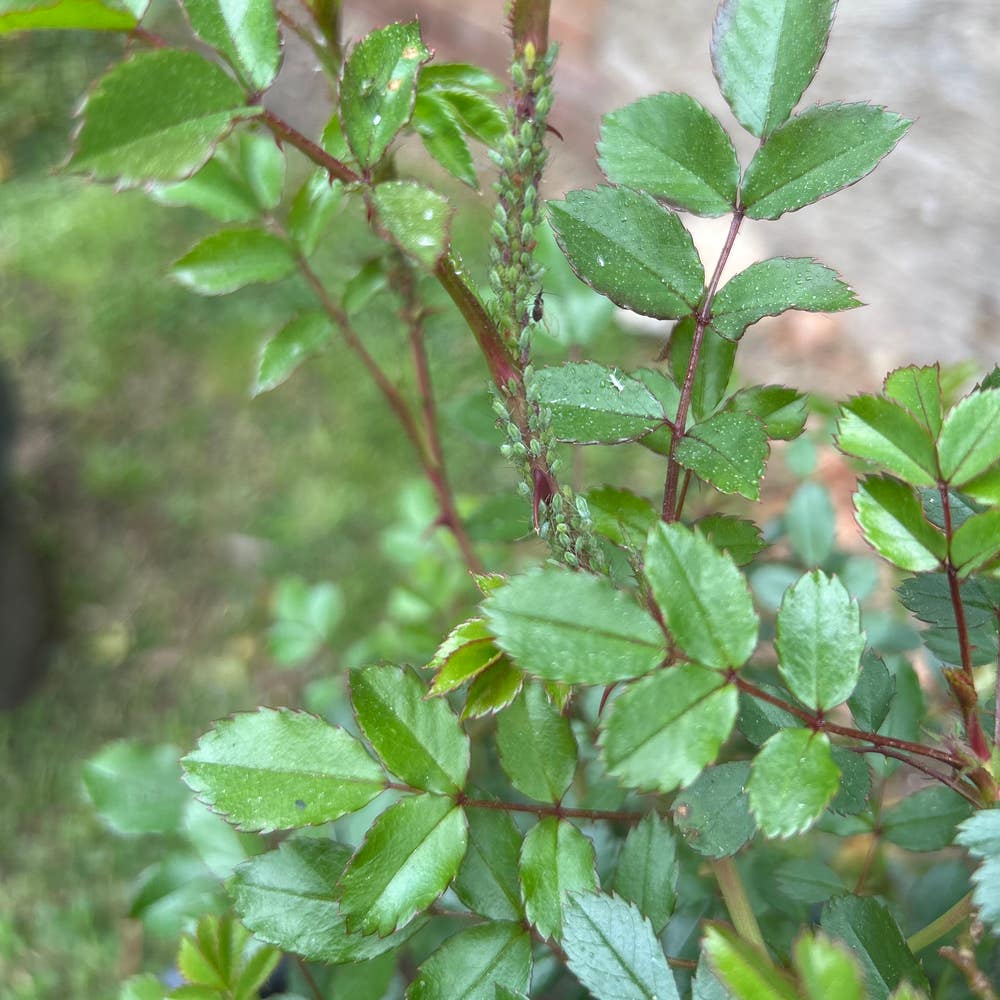
🌹 How to Cure Black Spots on Your Roses
Rosa spp.
By the Greg Editorial Team
Oct 09, 2024•4 min read
This article was created with the help of AI so we can cover more plants for you. May contain errors. See one? Report it here.
- 🌹 Identify black spots early to prevent widespread infection and maintain rose health.
- 🧪 Use fungicides or organic treatments like neem oil to effectively combat black spots.
- 🌱 Choose resistant rose varieties and adjust care practices to minimize black spot risks.
Diagnosing Black Spots
🌿 Differentiating Between Leaf Issues
Identifying black spots on your roses starts with understanding the differences between various leaf problems. Common issues include powdery mildew and rust, which have distinct visual characteristics compared to black spot disease.
Black spot disease typically manifests as circular, dark spots with fringed edges on the leaves. In contrast, powdery mildew appears as a white, powdery coating, while rust shows orange or yellow pustules. Knowing these differences helps you diagnose the issue accurately.
🔍 Importance of Early Detection
Early detection of black spots is crucial for the health of your rose plants. Identifying the problem promptly can prevent widespread infection, saving your garden from extensive damage.
Additionally, catching black spots early helps maintain the overall health of your roses. Healthy plants are more resilient and can better withstand other stressors, ensuring a vibrant garden throughout the growing season.
Treating Black Spots
🧪 Chemical Treatments
When it comes to tackling black spots on your roses, fungicides are a go-to solution. Look for products containing active ingredients like chlorothalonil, myclobutanil, or propiconazole, as these are effective against black spot disease.
Always follow application guidelines carefully. Safety precautions are crucial; wear gloves and a mask, and avoid treating on windy days to prevent drift onto other plants.
🌱 Organic Treatments
If you prefer a more natural approach, there are effective organic treatments available. Neem oil is a popular choice; mix it with water and apply it every 7 to 14 days for best results.
Another simple solution is a baking soda mixture. Combine one tablespoon of baking soda with a gallon of water and a few drops of dish soap. Spray this on affected leaves to help combat the disease.
📋 Step-by-Step Guide to Applying Treatments
- Identify affected areas on the plant. Look for discolored or spotted leaves.
- Choose appropriate treatment (chemical or organic). Decide based on your preference and severity of the issue.
- Prepare treatment solution as per instructions. Follow the guidelines for mixing and dilution.
- Apply treatment in the early morning or late afternoon. This timing helps minimize leaf burn and maximizes absorption.
- Monitor plant response and reapply as necessary. Keep an eye on your roses and adjust your treatment schedule based on their recovery.
By following these steps, you can effectively manage black spots and keep your roses thriving. Next, let’s explore how to prevent these pesky spots from appearing in the first place.
Preventing Black Spots
🌹 Best Practices for Rose Care
Selecting resistant rose varieties is crucial in the fight against black spots. Varieties like 'Knock Out' and 'Rugosa' are known for their resilience and can significantly reduce your chances of encountering this pesky issue.
Regular inspections of your plants can help catch early signs of disease. Look for any unusual spots or discoloration on leaves, as early detection is key to effective management.
💧 Importance of Proper Watering and Drainage
Watering techniques play a vital role in minimizing leaf wetness, which can lead to black spots. Always aim to water at the base of the plant to keep foliage dry.
Avoid overhead watering whenever possible. This simple adjustment can make a big difference in preventing fungal infections.
🌱 Choosing Resistant Rose Varieties
Opting for rose varieties that are less susceptible to black spots can save you a lot of trouble. Some recommended cultivars include 'David Austin Roses' and 'Belinda's Dream,' both known for their hardiness.
By incorporating these resistant varieties into your garden, you can enjoy healthier roses with less maintenance. This proactive approach not only enhances your garden's beauty but also fosters a more sustainable growing environment.
With these preventive measures in place, you'll be well-equipped to keep your roses thriving. Next, let’s explore seasonal considerations for treatment and prevention to further safeguard your plants.
Seasonal Considerations
Seasonal Timing for Treatment and Prevention 🌸
Timing is crucial when it comes to treating black spots on your roses. Spring is the ideal season for preemptive measures, as this is when the plants start to awaken from dormancy. Applying treatments during this time can help prevent the onset of black spot disease before it takes hold.
In fall, focus on cleaning up debris around your rose plants. This practice is essential to prevent overwintering spores that can lead to problems in the spring. A tidy garden not only looks great but also minimizes the risk of disease.
Adjusting Care Practices Based on Weather Conditions ☔️
Weather can significantly impact your rose care routine. During wet spells, you may need to adjust your watering schedule to avoid overly saturated soil, which can encourage fungal growth.
Conversely, in dry conditions, ensure your roses receive adequate moisture without overwatering. Monitoring the weather and adapting your care practices accordingly will help keep your roses healthy and vibrant throughout the seasons.
By staying proactive with your seasonal care, you can effectively manage and prevent black spots, ensuring your roses thrive year-round.
⚠️ Safety First
This content is for general information and may contain errors, omissions, or outdated details. It is not medical, veterinary advice, or an endorsement of therapeutic claims.
Always consult a qualified healthcare professional before using any plant as food, medicine, or supplement.
Never eat any plant (or feed one to pets) without confirming its identity with at least two trusted sources.
If you suspect poisoning, call Poison Control (800) 222-1222, the Pet Poison Helpline (800) 213-6680, or your local emergency service immediately.
Spotted an error? Please report it here.
Keep your roses vibrant and healthy 🌹 by using Greg's personalized care reminders to catch black spots early and apply the right treatments for success!