🌹 Step-by-Step Guide to Understanding Roses Lifecycle
Rosa spp.
By the Greg Editorial Team
Oct 09, 2024•4 min read
This article was created with the help of AI so we can cover more plants for you. May contain errors. See one? Report it here.
- 🌱 Roses germinate in 7-14 days; optimal temperatures are 70°F to 75°F.
- 🌞 Full sun for 6-8 hours daily is crucial during the vegetative growth stage.
- 🌹 Roses can live 5-30 years, with care evolving through their lifecycle.
Stages of Growth
🌱 Germination Stage
Duration and Conditions
The germination stage is crucial for rose seeds, typically lasting 7-14 days under optimal conditions. Aim for a temperature range of 70°F to 75°F (21°C to 24°C) and maintain consistent moisture without waterlogging.
Factors Affecting Success
Several factors can influence successful germination. Seed quality is vital; fresh, viable seeds yield better results. Additionally, use well-draining, nutrient-rich soil to support growth, and consider that some varieties may require light for germination while others do not.
🌿 Seedling Stage
Characteristics
During the seedling stage, you'll see the development of true leaves following the initial cotyledons. By the end of this stage, seedlings typically reach a height of 2-4 inches.
Duration and Care
This stage lasts about 4-6 weeks until seedlings are ready for transplanting. Regular watering, indirect sunlight, and protection from pests are essential for healthy growth.
🌳 Vegetative Growth
Description
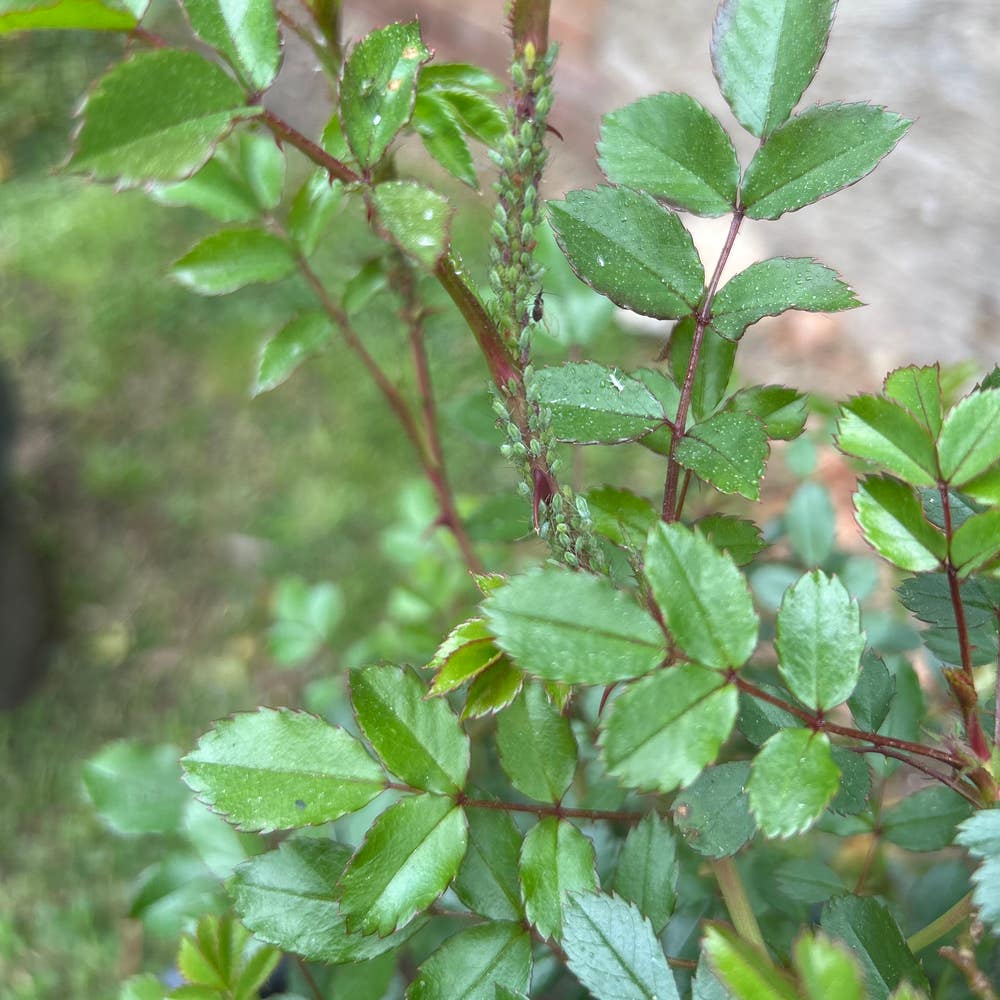
In the vegetative growth stage, the focus shifts to leaf and stem development. This is when the plant expands its root system, which is essential for nutrient uptake and stability.
Duration and Environmental Needs
Expect this stage to last 6-12 months, depending on the variety and environmental conditions. Roses thrive in full sun for 6-8 hours daily and require regular fertilization to support vigorous growth.
🌸 Flowering Stage
Transition to Flowering
The transition to flowering is triggered by environmental cues, such as changes in light duration and temperature. This leads to the formation of flower buds from the vegetative growth.
Duration and Influencing Factors
Blooming typically lasts 4-8 weeks, influenced by weather conditions, soil health, and care practices. Some varieties may bloom multiple times a year, extending the flowering period.
🌼 Seed Production
Process
The seed production stage involves pollination, which can be self-pollination or cross-pollination. This process leads to the development of seeds within the rose hips.
Duration and Conditions
Seed development takes about 6-8 weeks after flowering. Ensure adequate moisture and protection from pests to support this critical phase.
Understanding these stages of growth not only enhances your gardening skills but also deepens your appreciation for the beauty and complexity of roses. Next, we'll explore the overall lifespan and growth rate of rose plants, giving you a broader perspective on their journey.
Overall Lifespan and Growth Rate
Lifespan of Rose Plants 🌹
Roses can be surprisingly long-lived. Typically, they last between 5 to 15 years, but some varieties can thrive for up to 30 years with the right care.
Growth Rate 📈
When it comes to growth, roses are generally robust. During the vegetative stage, you can expect them to grow about 1 to 2 feet per year.
Variability Among Varieties 🌼
Not all roses grow at the same pace. For instance, hybrid teas often have different growth rates compared to climbers and shrub roses. Understanding these differences can help you choose the right type for your garden.
In summary, knowing the lifespan and growth rate of roses can guide your gardening decisions. This knowledge sets the stage for understanding the notable changes throughout their lifecycle.
Notable Changes Throughout Lifecycle
Physical Changes 🌹
The lifecycle of a rose is a fascinating journey marked by distinct physical transformations.
Germination: This stage kicks off with the emergence of cotyledons, the first leaves that signal life.
Seedling: As the plant matures, true leaves develop alongside a robust root system, setting the foundation for future growth.
Vegetative: During this phase, you'll notice significant leaf expansion and stem thickening, which are crucial for photosynthesis and stability.
Flowering: Buds begin to form, leading to the stunning blooms that roses are famous for.
Seed Production: Finally, the plant develops rose hips, where seeds mature, completing the cycle.
Changes in Care Needs 🌱
As roses progress through their lifecycle, their care requirements evolve significantly.
Watering and Fertilization: You'll need to adjust watering frequency and fertilization as the plant transitions from one stage to another.
Pest Management: Be prepared for increased pest management during the flowering and seed production stages, as these periods attract more pests.
Understanding these changes not only enhances your gardening skills but also deepens your appreciation for these beautiful plants. With the right care, your roses can thrive through every stage of their lifecycle.
Next, we’ll explore the overall lifespan and growth rate of rose plants, providing insights into their longevity and growth patterns.
⚠️ Safety First
This content is for general information and may contain errors, omissions, or outdated details. It is not medical, veterinary advice, or an endorsement of therapeutic claims.
Always consult a qualified healthcare professional before using any plant as food, medicine, or supplement.
Never eat any plant (or feed one to pets) without confirming its identity with at least two trusted sources.
If you suspect poisoning, call Poison Control (800) 222-1222, the Pet Poison Helpline (800) 213-6680, or your local emergency service immediately.
Spotted an error? Please report it here.
Master the lifecycle of your roses 🌹 with Greg's tailored care tips and reminders, ensuring they thrive beautifully from germination to flowering!