🌹 Roses Buds Won't Open
Rosa spp.
By the Greg Editorial Team
Oct 09, 2024•4 min read
This article was created with the help of AI so we can cover more plants for you. May contain errors. See one? Report it here.
- 🌞 Roses need 6+ hours of sunlight daily for healthy blooms.
- 🌱 Nutrient deficiencies hinder flower development; use balanced fertilizer for best results.
- ✂️ Proper pruning during dormancy boosts growth and blooming potential.
Failure to Bloom
🌞 Causes
Insufficient Light
Roses thrive on sunlight, needing at least 6 hours of direct exposure daily. Without this, they struggle to produce vibrant blooms.
Poor Soil Nutrition
Nutrient deficiencies can severely impact flower development. Essential elements like nitrogen, phosphorus, and potassium are crucial for robust growth.
Incorrect Pruning
Improper pruning techniques can lead to reduced flowering. If not done correctly, it may result in abnormal bud development or fewer blooms overall.
💡 Solutions
Adjusting Light Exposure
To enhance blooming, reposition your roses to maximize sunlight. This simple adjustment can make a significant difference in their health.
Fertilization Tips
Using a balanced fertilizer high in phosphorus can promote blooming. Apply it during the growing season to support flower development.
Proper Pruning Techniques
Prune your roses during their dormant season. This encourages healthy growth and sets the stage for a bountiful blooming period.
By addressing these factors, you can help your roses flourish and enjoy the beauty of their blooms. Next, let’s explore the issue of premature flower drop and how to tackle it effectively.
Premature Flower Drop
🌡️ Causes
Environmental Stress
Extreme temperatures and sudden weather changes can wreak havoc on your roses. When conditions fluctuate, buds may drop prematurely, leaving you with fewer blooms.
💧 Overwatering
Too much moisture can be just as harmful. Overwatering stresses the plant, leading to flower drop and potentially other issues.
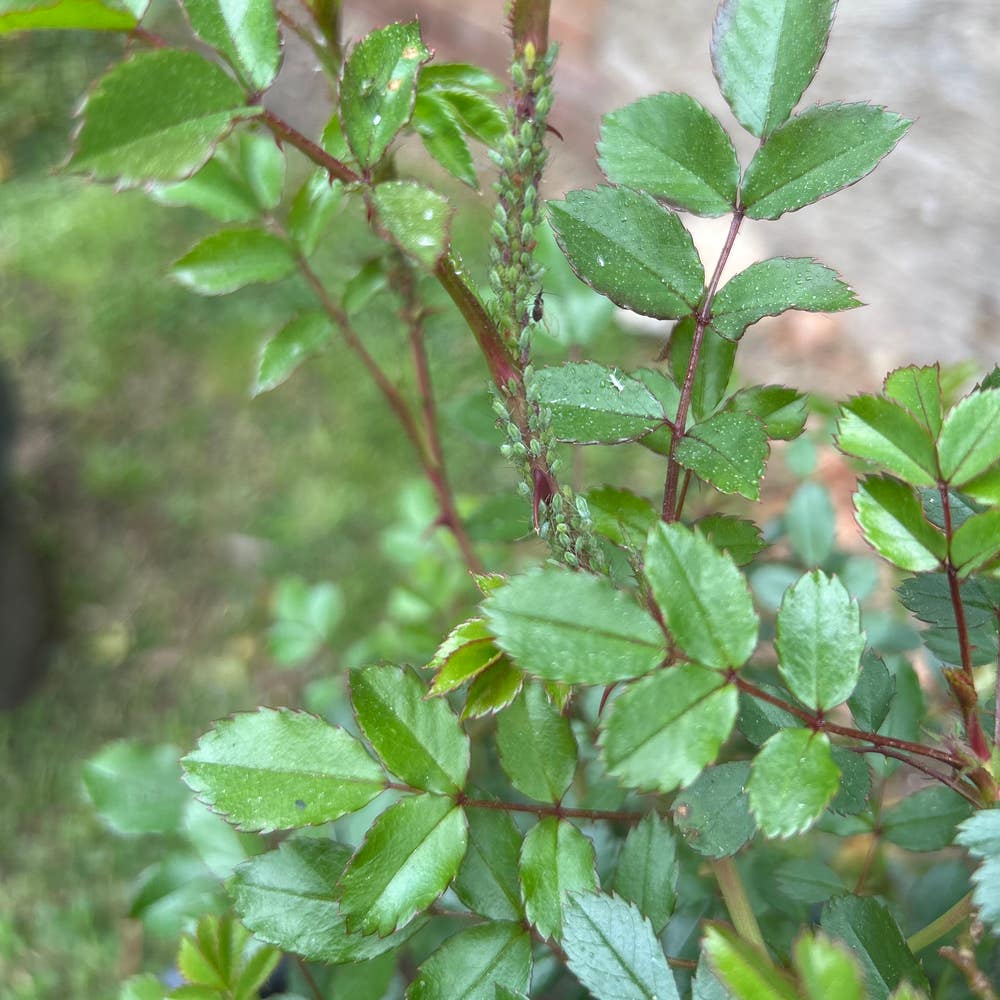
🐜 Pest Infestations
Pests like aphids can sap the strength from your roses. When these invaders weaken the plant, it often results in premature flower loss.
🛠️ Solutions
💦 Watering Guidelines
To keep your roses thriving, maintain consistent moisture without waterlogging. Allow the top inch of soil to dry out between waterings for optimal health.
🐞 Pest Management Strategies
Regular inspections are key to catching pest problems early. Use insecticidal soap or neem oil to control infestations and protect your blooms.
By addressing these causes and implementing effective solutions, you can help your roses flourish and enjoy a vibrant display of flowers. Next, let’s explore how light impacts flowering and what adjustments you can make for better blooms.
Abnormal Flower Development
🌱 Causes
Nutrient Deficiencies
Lack of key nutrients can lead to malformed blooms. Roses thrive on a balanced diet, and missing essential elements can stunt their growth and flowering.
Disease
Conditions like powdery mildew can significantly affect flower quality. This fungal disease not only impacts the blooms but can also weaken the entire plant.
Genetic Factors
Some rose varieties may naturally produce abnormal flowers. Understanding your specific variety can help set realistic expectations for bloom appearance.
💡 Solutions
Soil Testing
Conduct tests to determine nutrient levels in your soil. This step is crucial for identifying deficiencies and amending soil as needed.
Disease Management
Implement preventive measures and treatments for common diseases. Regularly inspect your roses and apply fungicides if necessary to keep diseases at bay.
Selecting Healthy Plants
Choose disease-resistant varieties to minimize issues. Investing in robust plants can save you time and frustration in the long run.
By addressing these factors, you can help ensure your roses develop beautifully and healthily. Next, let’s explore how light impacts flowering and what adjustments you can make for optimal growth.
Impact of Light on Flowering
🌞 Importance of Sunlight
Roses thrive on sunlight, needing at least 6 hours of direct exposure daily for optimal blooming. Without this essential light, you may notice weak growth and fewer flowers.
Too much sunlight can also be detrimental. Excessive light can scorch leaves, leading to a decline in overall plant health.
🌻 Light Adjustments
Repositioning your roses can make a significant difference in their light exposure. If your roses are in pots, simply move them to a sunnier spot.
For roses planted in the ground, consider pruning surrounding plants to reduce shading. This small adjustment can help your roses soak up the sunlight they crave.
With the right light conditions, your roses will be well on their way to vibrant blooms. Next, let’s explore how nutritional needs play a crucial role in flowering.
Nutritional Needs for Flowering
Essential Nutrients 🌱
Roses thrive on three key nutrients: Nitrogen, Phosphorus, and Potassium. These elements are crucial for vibrant blooms and overall plant health.
Signs of nutrient deficiencies can be quite telling. Look for yellowing leaves, stunted growth, and poor flower quality as indicators that your roses may need a nutritional boost.
Fertilization Techniques 🌼
To promote blooming, start with a balanced fertilizer in early spring. This initial application sets the stage for healthy growth.
Follow up with additional feedings throughout the growing season. Regular fertilization helps ensure your roses get the nutrients they need to flourish and produce stunning flowers.
By understanding and addressing the nutritional needs of your roses, you can significantly enhance their blooming potential. Next, let’s explore how to adjust light exposure for optimal flowering.
⚠️ Safety First
This content is for general information and may contain errors, omissions, or outdated details. It is not medical, veterinary advice, or an endorsement of therapeutic claims.
Always consult a qualified healthcare professional before using any plant as food, medicine, or supplement.
Never eat any plant (or feed one to pets) without confirming its identity with at least two trusted sources.
If you suspect poisoning, call Poison Control (800) 222-1222, the Pet Poison Helpline (800) 213-6680, or your local emergency service immediately.
Spotted an error? Please report it here.
Unlock vibrant rose blooms 🌹 by using Greg's tailored care reminders to ensure your plants get the sunlight and nutrients they crave!