What to Do About Brown Spots on Your Roses 🌹
Rosa spp.
By the Greg Editorial Team
Oct 09, 2024•5 min read
This article was created with the help of AI so we can cover more plants for you. May contain errors. See one? Report it here.
- 🌱 Brown spots on roses stem from fungi, pests, or nutrient deficiencies.
- 🌧️ Black spot fungus thrives in humid conditions; act quickly to treat it.
- 🧪 Organic remedies like neem oil effectively combat brown spots and pests.
Causes of Brown Spots
🦠 Fungal Infections
Black Spot Fungus
Black spot fungus is a common culprit behind brown spots on rose leaves. You’ll notice circular black spots with fringed edges, especially in humid conditions where moisture helps the spores thrive.
Powdery Mildew
Another fungal issue is powdery mildew, which manifests as a white, powdery coating on leaves. This fungus prefers warm, dry weather combined with high humidity, leading to significant leaf discoloration.
🌧️ Environmental Stress
Overwatering
Overwatering can lead to yellowing leaves, root rot, and those pesky brown spots. Poor drainage and excessive moisture retention are often the main causes.
Underwatering
On the flip side, underwatering results in wilting leaves, browning edges, and even leaf drop. Inconsistent watering schedules and drought conditions can exacerbate these symptoms.
🥦 Nutrient Deficiencies
Nitrogen Deficiency
A nitrogen deficiency shows up as pale green leaves with brown spots. Nitrogen is essential for leaf growth and overall plant vigor, so keep an eye on your soil health.
Potassium Deficiency
Potassium deficiency can lead to marginal browning of leaves and poor flower development. This nutrient is crucial for plant health and helps bolster disease resistance.
🐜 Pest Infestations
Aphids
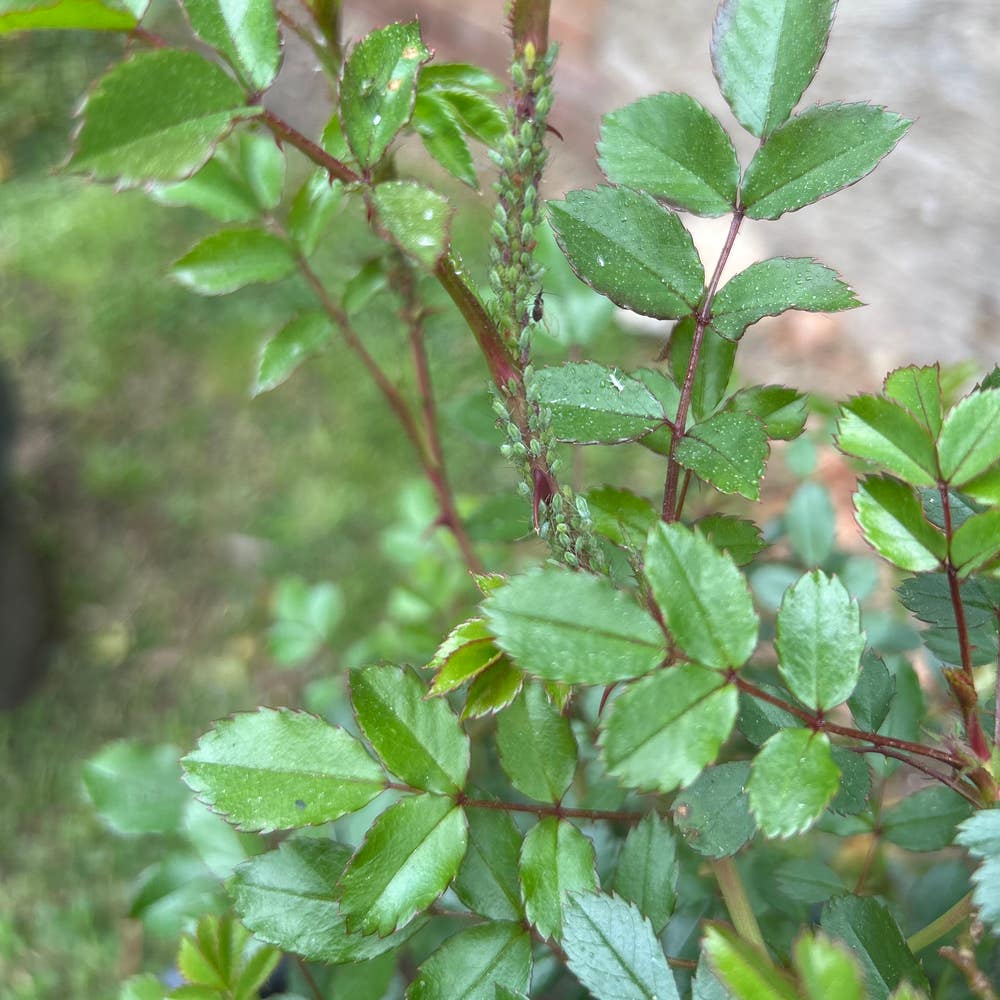
Aphids are tiny pests that can cause curling leaves, sticky residue, and brown spots. They weaken plants, making them more susceptible to diseases.
Spider Mites
Spider mites can be even more damaging, leaving fine webbing and stippled leaves with brown spots. If left unchecked, they can cause significant harm to your roses.
Understanding these causes is the first step in addressing brown spots on your roses. Next, we’ll dive into how to diagnose these issues effectively.
Diagnosing Brown Spots
Identifying Symptoms of Fungal Diseases 🌱
To effectively diagnose brown spots on your roses, start with a visual inspection. Look for specific patterns, such as circular spots or powdery coatings, which can indicate fungal infections.
Timing is also crucial. Assess your plants during different seasons, as symptoms may vary with changing weather conditions.
Differentiating Between Environmental and Pest-Related Issues 🐛
Next, differentiate between environmental stress and pest infestations. Check for signs of overwatering, like yellowing leaves, or underwatering, which can lead to wilting and browning.
Pest indicators are equally important. Look for insects or fine webbing on leaves, which can signal an infestation that needs addressing.
Importance of Leaf Inspection and Plant Health Monitoring 🔍
Regular leaf inspections are key to early detection. Aim to check your roses weekly for any signs of trouble, ensuring you catch issues before they escalate.
Additionally, maintain a log of symptoms and treatments. This record-keeping can provide valuable insights for better diagnosis and future care.
By staying vigilant and informed, you can effectively manage brown spots and keep your roses thriving. Next, let’s explore treatment options to tackle these pesky problems head-on.
Treatment Options
🧪 Chemical Treatments
When dealing with brown spots on your roses, chemical treatments can be effective. Fungicides are your first line of defense, and they come in two main types: systemic and contact fungicides.
- Systemic fungicides are absorbed by the plant, providing long-lasting protection.
- Contact fungicides work on the surface, requiring more frequent applications.
Always follow the label instructions for frequency and dosage to ensure effectiveness and safety.
Insecticides are another option, especially for pest-related issues. These targeted treatments focus on specific pests, but use them as a last resort. Overuse can harm beneficial insects that help maintain your garden's ecosystem.
🌱 Organic Solutions
If you prefer a more natural approach, consider Neem Oil. This versatile solution acts as both a fungicide and insecticide, making it a great all-in-one option.
- Apply it by spraying affected areas every 7-14 days for best results.
Another effective organic remedy is Baking Soda. It's particularly useful against powdery mildew.
- Simply mix 1 tablespoon with water and spray it on the leaves. This method is not only effective but also easy to implement.
🌼 Cultural Practices
In addition to chemical and organic treatments, adopting good cultural practices can significantly improve your roses' health.
Proper Watering is crucial. Water at the base of the plant to avoid wetting the leaves, which can promote fungal growth.
- Aim to water early in the morning, allowing the foliage to dry throughout the day.
Pruning is equally important. Regularly removing affected leaves helps prevent the spread of diseases.
- The best time to prune is during dormancy or right after flowering, ensuring your roses stay healthy and vibrant.
By combining these treatment options with good cultural practices, you can effectively manage brown spots on your roses and keep them flourishing.
Next, let’s explore some preventive measures to ensure your roses remain healthy and beautiful year-round.
Preventive Measures
🌹 Best Practices for Rose Care
Spacing
Proper spacing is crucial for healthy rose plants. Aim to space your roses 18-24 inches apart to ensure adequate air circulation.
Air Circulation
Good airflow helps reduce humidity around your plants. Regular pruning can enhance airflow and keep your roses thriving.
🍃 Seasonal Care Tips
Spring Maintenance
Spring is the perfect time to give your roses some TLC. Fertilize, prune, and inspect for early signs of disease to set your plants up for success.
Fall Maintenance
As the season changes, don’t forget to clean up fallen leaves and debris. This simple task helps prevent pests from overwintering in your garden.
🌱 Soil Health and Amendments
Compost
Adding compost to your soil enriches it with nutrients. This not only supports plant health but also enhances soil structure, promoting better drainage and root growth.
By implementing these preventive measures, you can significantly reduce the risk of brown spots on your roses. Keeping your plants healthy and vibrant will make your garden a true delight to behold.
⚠️ Safety First
This content is for general information and may contain errors, omissions, or outdated details. It is not medical, veterinary advice, or an endorsement of therapeutic claims.
Always consult a qualified healthcare professional before using any plant as food, medicine, or supplement.
Never eat any plant (or feed one to pets) without confirming its identity with at least two trusted sources.
If you suspect poisoning, call Poison Control (800) 222-1222, the Pet Poison Helpline (800) 213-6680, or your local emergency service immediately.
Spotted an error? Please report it here.
Keep your roses healthy and spot-free 🌹 by using Greg's tailored watering reminders and expert community advice for thriving blooms all season long!