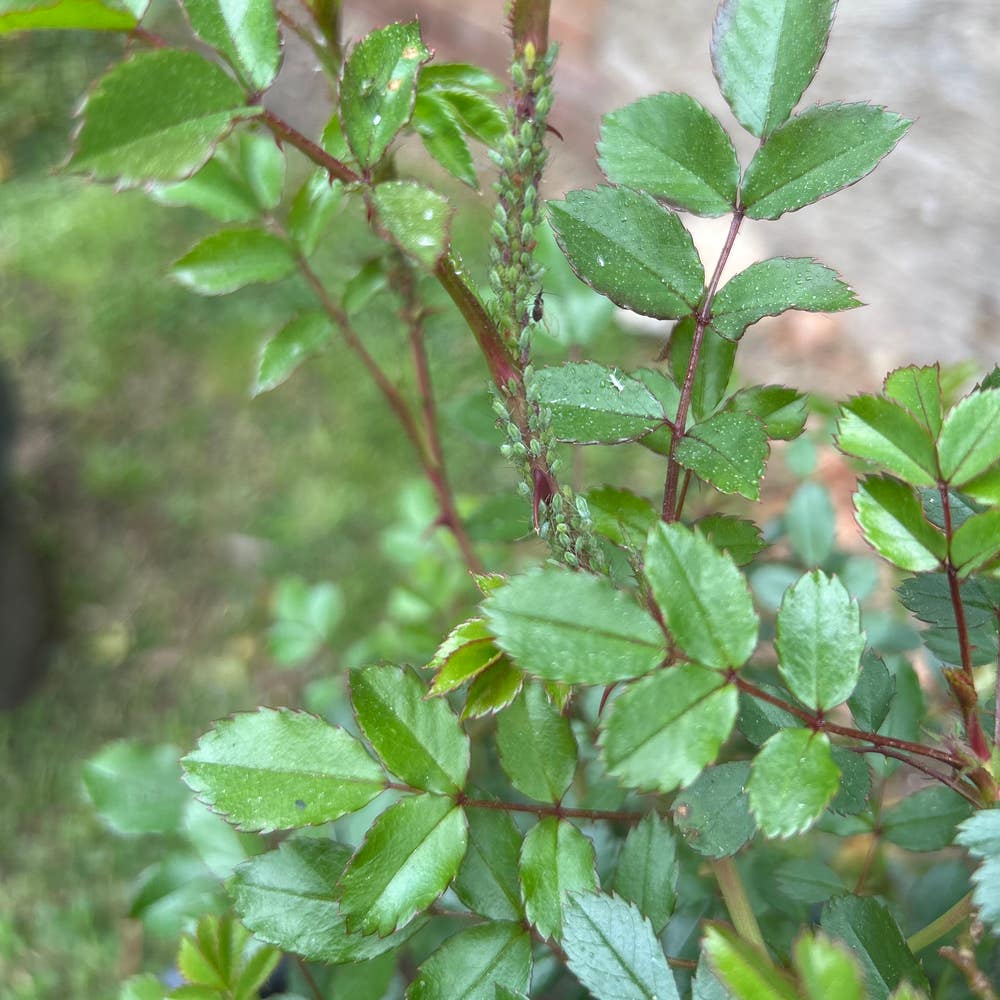
🌹 Roses: Not an Annual
Rosa spp.
By the Greg Editorial Team
Oct 09, 2024•2 min read
This article was created with the help of AI so we can cover more plants for you. May contain errors. See one? Report it here.
- 🌹 Roses are perennials, thriving for decades with proper care and winter dormancy.
- 🌱 Their deep root systems efficiently absorb nutrients, enhancing longevity and growth.
- 🐝 Roses attract pollinators, crucial for their reproduction and vibrant seasonal displays.
Roses as Perennials
🌱 Genetic and Physiological Characteristics
Roses belong to the family Rosaceae, which encompasses a variety of perennial species. Their woody structure is key, allowing them to withstand harsh winter months.
The root system of roses is complex and deep, which enables efficient nutrient and water absorption. This adaptability is crucial for their survival and growth.
🌼 Long-Term Lifecycle and Growth Patterns
With proper care, roses can thrive for decades. They enter a state of dormancy during winter, only to burst into active growth in spring and summer.
Throughout the growing season, roses can produce multiple flushes of growth and flowering. This cycle not only enhances their beauty but also contributes to their longevity.
🌸 Reproductive Strategies Compared to Annuals
Unlike annuals, which produce seeds in a single season, roses engage in seed production over multiple seasons. This strategy allows them to maximize their reproductive success.
Roses also attract various pollinators, which boosts their chances of successful fertilization. This symbiotic relationship is vital for their ongoing lifecycle.
🌍 Regional Variations and Misconceptions
In colder climates or with poor management, roses may be mistakenly treated as annuals. This misconception can lead to their premature removal, missing out on their perennial potential.
Many varieties of roses are long-lived perennials, contrary to popular belief. Understanding their true lifecycle can help gardeners appreciate their resilience.
🌿 Garden Design and Planning
Incorporating perennial roses into your garden offers numerous advantages. They provide a stable structure and seasonal interest, enhancing the overall aesthetic.
To successfully integrate roses into perennial planting schemes, consider companion planting. Planning for their growth ensures a harmonious garden environment.
🌟 Maximizing Longevity of Roses
Managing perennial roses effectively involves best practices like regular pruning and fertilization. These actions promote healthy growth and vibrant blooms.
Seasonal care is crucial; protect your roses during winter and prepare them for awakening in spring. Additionally, focusing on soil health and pest management can significantly enhance their lifespan.
As you delve deeper into the world of roses, you'll find that their care is both an art and a science. Embracing these practices will not only extend their life but also enrich your gardening experience.
⚠️ Safety First
This content is for general information and may contain errors, omissions, or outdated details. It is not medical, veterinary advice, or an endorsement of therapeutic claims.
Always consult a qualified healthcare professional before using any plant as food, medicine, or supplement.
Never eat any plant (or feed one to pets) without confirming its identity with at least two trusted sources.
If you suspect poisoning, call Poison Control (800) 222-1222, the Pet Poison Helpline (800) 213-6680, or your local emergency service immediately.
Spotted an error? Please report it here.
Roses are resilient perennials 🌹 that can thrive for decades, and with Greg's tailored care reminders, you'll keep them blooming beautifully season after season!