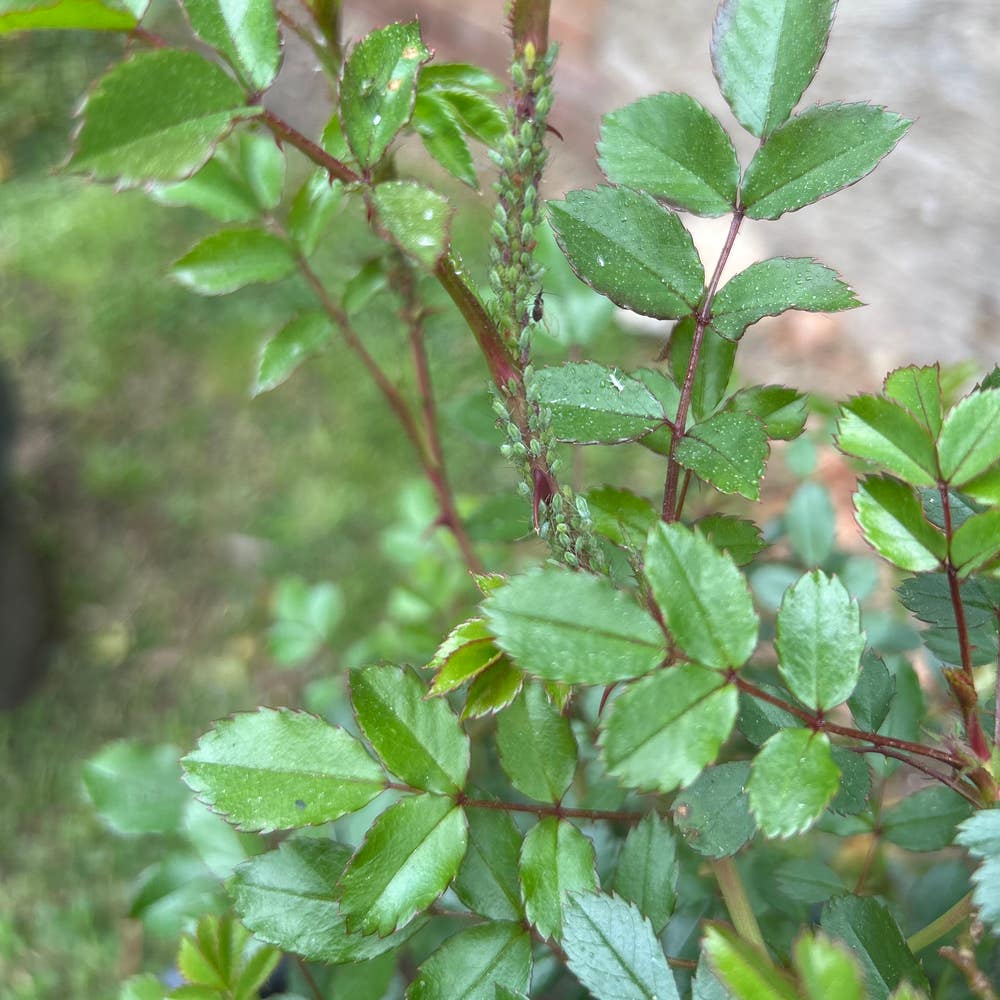
How Big a Rambling Rose Gets 🌹
Rosa spp.
By the Greg Editorial Team
Aug 10, 2024•5 min read
This article was created with the help of AI so we can cover more plants for you. May contain errors. See one? Report it here.
- 🌹 Rambling roses grow 8-15 feet tall and spread up to 10 feet wide.
- ☀️ Optimal care allows them to reach full size in 3-5 years.
- 🌱 Soil, sunlight, and water significantly affect their growth and health.
Mature Height and Spread
Typical Dimensions 🌹
Rambling roses are impressive climbers, typically reaching heights of 8 to 15 feet, depending on the variety. They can spread up to 10 feet wide, creating a stunning visual display in any garden.
Growth Rate and Time to Full Size ⏳
These roses boast a rapid growth rate under optimal conditions, making them a favorite among gardeners. Expect them to reach their full size in about 3 to 5 years, rewarding your patience with lush blooms.
Size Variability Based on Conditions 🌍
The size of rambling roses can vary significantly based on environmental factors. For instance, roses planted in nutrient-rich, well-draining soil often grow larger than those in poor conditions.
Factors like sunlight, water availability, and climate also play crucial roles. A well-situated rambling rose can thrive, while one in less-than-ideal circumstances may remain smaller and less vigorous.
Understanding these variables helps you create the best environment for your roses, ensuring they reach their full potential.
With this foundation on size, let’s explore the factors that influence the growth of these beautiful plants.
Factors Affecting Size
🌱 Soil Quality and Type
The foundation of a healthy Rambling rose starts with well-draining, nutrient-rich soil. Aim for a soil pH between 6.0 and 6.8 to ensure optimal growth.
☀️ Sunlight Exposure
Rambling roses thrive in full sun, requiring 6 to 8 hours of sunlight daily. Insufficient sunlight can lead to stunted growth and smaller dimensions.
💧 Watering Practices
Consistency in watering is crucial; roses need moisture but should never be waterlogged. Drought conditions can severely impact both size and overall health.
🌡️ Climate Considerations
Understanding hardiness zones is essential for successful growth. Rambling roses flourish best in USDA zones 5 to 9, where temperatures are more favorable for their development. Extreme temperatures can hinder their growth habits and overall vitality.
These factors play a significant role in determining how large your Rambling rose can grow. By optimizing these conditions, you can enjoy a stunning display of blooms in your garden. Next, let's explore the different varieties of Rambling roses and their unique characteristics.
Varieties
Dwarf Varieties and Their Characteristics 🌱
Dwarf rambling roses typically reach heights of 3 to 5 feet. Their compact and bushy growth makes them perfect for smaller gardens or container planting.
Giant Varieties and Their Characteristics 🌳
On the other end of the spectrum, giant varieties can exceed 15 feet in height. These vigorous and sprawling plants are ideal for covering large structures like trellises and arbors.
Comparison of Growth Habits Among Varieties 📊
Growth rates and mature dimensions vary significantly among different varieties. For instance, dwarf varieties tend to mature quicker, while giants may take longer to reach their full potential.
Popular dwarf varieties include 'The Fairy,' known for its abundant blooms, while 'New Dawn' is a classic giant variety that showcases stunning growth. Understanding these differences helps gardeners choose the right type for their space and aesthetic needs.
With a solid grasp of the various rambling rose types, you can now explore how to control their size effectively.
Controlling Size
🌿 Pruning Techniques for Size Control
Pruning is essential for managing the size of your rambling rose. There are two main types: thinning, which removes excess stems to improve air circulation, and shaping, which focuses on maintaining a desired form.
For effective pruning, use sharp pruning shears. Clean cuts promote quicker healing and healthier growth.
⏰ Timing and Frequency of Pruning
The best time to prune your rambling rose is late winter to early spring. This timing encourages robust growth as the plant awakens from dormancy.
Aim to prune annually for maintenance and size control. Regular pruning helps keep your rose in check and encourages blooming.
🏗️ Other Methods to Manage Growth
In addition to pruning, using supports and trellises can guide your rambling rose's growth. These structures not only help manage size but also enhance the plant's aesthetic appeal.
Training canes is another effective technique. By directing their growth, you can control the spread and shape of your rambling rose, ensuring it fits beautifully into your garden design.
With these strategies, you can enjoy a thriving rambling rose that complements your space perfectly. Next, let’s explore practical tips for influencing size through planting and spacing.
Practical Tips for Influencing Size
🌱 Best Practices for Planting to Influence Size
To ensure your rambling rose thrives, focus on the right planting depth and spacing. Ideally, plant them at a depth of about 2 inches below the soil surface, allowing for good root establishment.
Choosing the right site is crucial. Look for areas with ample sunlight and well-draining soil to promote healthy growth.
📏 Recommendations for Spacing in Garden Design
Spacing is key to preventing overcrowding. For most rambling rose varieties, aim for at least 3 to 5 feet between plants.
Consider companion planting to enhance aesthetics and health. Pairing roses with complementary plants can create a vibrant garden while allowing each plant to flourish without competition.
With these practical tips, you'll set the stage for your rambling roses to reach their full potential. Next, let’s explore how to control their size effectively.
⚠️ Safety First
This content is for general information and may contain errors, omissions, or outdated details. It is not medical, veterinary advice, or an endorsement of therapeutic claims.
Always consult a qualified healthcare professional before using any plant as food, medicine, or supplement.
Never eat any plant (or feed one to pets) without confirming its identity with at least two trusted sources.
If you suspect poisoning, call Poison Control (800) 222-1222, the Pet Poison Helpline (800) 213-6680, or your local emergency service immediately.
Spotted an error? Please report it here.
Unlock the potential of your rambling roses to reach impressive heights 🌹 with Greg's tailored watering and sunlight reminders, ensuring they thrive beautifully in your garden!