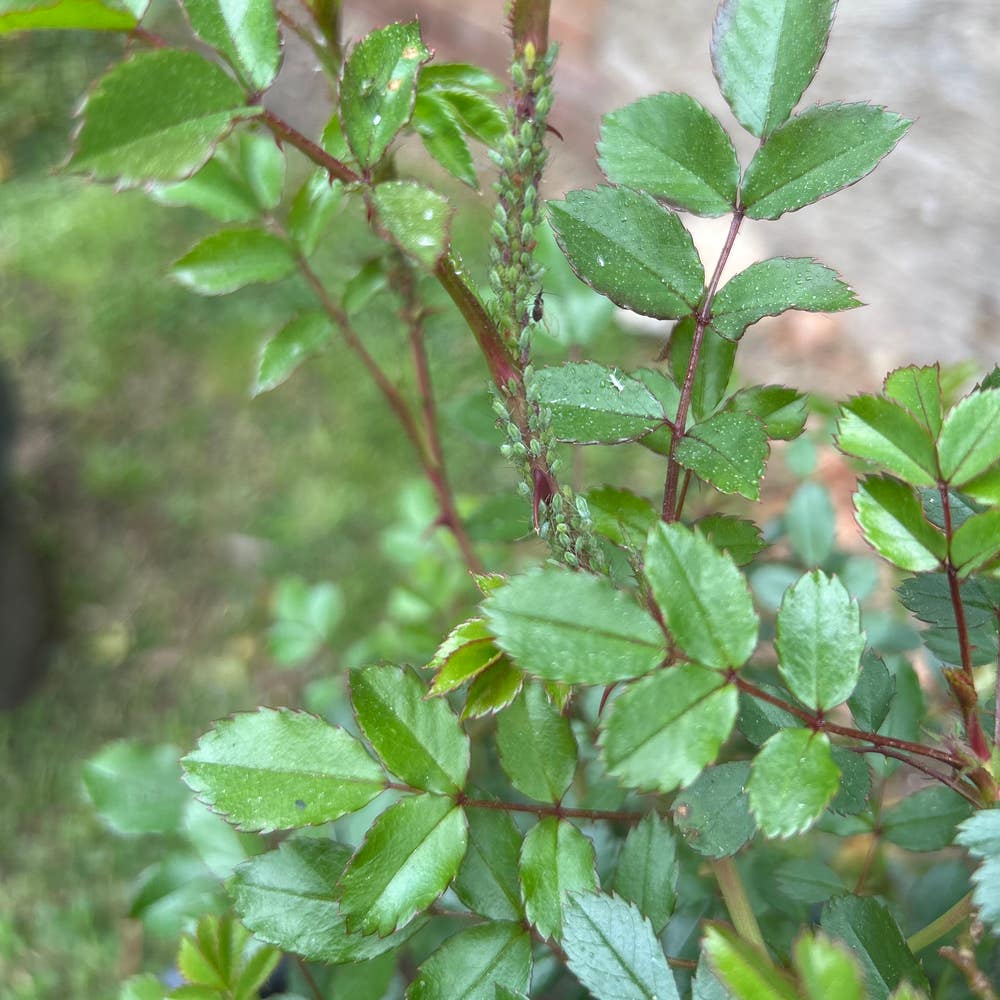
5 Ideal Companions for Your Rambling rose 🌹
Rosa spp.
By the Greg Editorial Team
Aug 10, 2024•4 min read
This article was created with the help of AI so we can cover more plants for you. May contain errors. See one? Report it here.
- 🌸 Lavender and Catmint enhance aesthetics while repelling pests for your Rambling rose.
- 🐝 Alliums and Foxglove attract pollinators, boosting biodiversity in your garden.
- ❌ Avoid cabbage and nightshades to prevent nutrient competition and pest issues.
Ideal Companions for Rambling Rose
🌸 Lavender
Lavender is a fantastic companion for your Rambling rose, as it thrives in well-drained soil and full sun—just like your roses. Its pest-repellent properties help deter aphids and other nuisances, keeping your roses healthy and vibrant.
The visual appeal of lavender is undeniable. Its contrasting colors and textures not only enhance the garden's aesthetic but also create a stunning backdrop for your climbing roses.
🐱 Catmint
Catmint is another excellent choice, attracting beneficial insects that help control pests. This plant draws in pollinators and predatory insects, making your garden a bustling ecosystem.
Additionally, catmint is drought-tolerant, requiring less water than many other plants. Its soft, flowing foliage beautifully complements the structure of Rambling rose, creating a harmonious garden scene.
🌼 Alliums
Alliums offer significant pest management benefits, acting as a natural deterrent for aphids and other common rose pests. Their unique shape and form add a layer of visual interest to your garden.
With their tall flower stalks, alliums introduce height variation, creating a layered look that enhances the overall garden design. This vertical dimension is particularly appealing alongside the sprawling nature of Rambling rose.
🦋 Foxglove
Foxglove is a showstopper when it comes to attracting pollinators. Its nectar-rich flowers draw in bees and butterflies, enhancing biodiversity in your garden.
The vertical growth of foxglove provides a striking visual contrast to the climbing nature of Rambling rose. This combination not only looks stunning but also supports a thriving ecosystem.
🌿 Salvia
Salvia is known for its long blooming period, extending the flowering season and providing continuous color alongside your Rambling rose. This means your garden can remain vibrant for longer.
Moreover, salvia attracts hummingbirds and beneficial insects, supporting pollination and pest control efforts. Its presence can significantly enhance the health and beauty of your garden.
As you consider these ideal companions, remember that each plant brings unique benefits to your Rambling rose. Experimenting with these combinations can lead to a flourishing and visually stunning garden.
Plants to Avoid Near Rambling Rose
🥬 Cabbage Family
The cabbage family, including broccoli and kale, competes for nutrients with your Rambling rose. Their similar nutrient needs can lead to resource depletion, leaving both plants struggling to thrive.
🌿 Fennel
Fennel is notorious for its allelopathic properties, which can negatively impact rose growth. It releases chemicals that inhibit the development of nearby plants, making it a poor companion for your climbing rose.
🍅 Nightshades
Nightshades, such as tomatoes and peppers, share susceptibility to similar pests and diseases as roses. Planting them nearby can increase the risk of infestations and disease transmission, jeopardizing the health of your garden.
Avoiding these plants will help ensure your Rambling rose flourishes. By choosing companions wisely, you can create a vibrant and healthy garden environment.
Companion Planting Benefits Recap
Companion planting offers numerous advantages for your Rambling rose. By selecting the right plants, you can enhance growth, deter pests, and create a visually stunning garden.
🌱 Enhanced Growth and Health
When paired with compatible companions, your Rambling rose can thrive. Plants like lavender and catmint not only share similar care needs but also promote a healthier growing environment.
🐞 Pest Management
Companion plants can act as natural pest deterrents. For instance, alliums and foxgloves help keep aphids at bay, reducing the need for chemical interventions.
🎨 Aesthetic Appeal
Combining different plants adds layers of color and texture to your garden. The visual harmony between Rambling rose and its companions creates a captivating landscape.
🌼 Biodiversity Boost
Encouraging beneficial insects is another perk of companion planting. Flowers that attract pollinators, like salvia, enhance biodiversity and support the overall ecosystem.
🧪 Experimentation Encouraged
Don't hesitate to experiment with various combinations. Each garden is unique, and discovering what works best for your space can lead to delightful surprises.
In summary, companion planting not only benefits the health of your Rambling rose but also elevates the beauty of your garden. Embrace the journey of exploration and enjoy the vibrant results!
⚠️ Safety First
This content is for general information and may contain errors, omissions, or outdated details. It is not medical, veterinary advice, or an endorsement of therapeutic claims.
Always consult a qualified healthcare professional before using any plant as food, medicine, or supplement.
Never eat any plant (or feed one to pets) without confirming its identity with at least two trusted sources.
If you suspect poisoning, call Poison Control (800) 222-1222, the Pet Poison Helpline (800) 213-6680, or your local emergency service immediately.
Spotted an error? Please report it here.
Enhance your garden's beauty and health by pairing your Rambling rose with ideal companions 🌼, and let Greg guide you with tailored care tips to ensure they thrive together harmoniously! 🌿