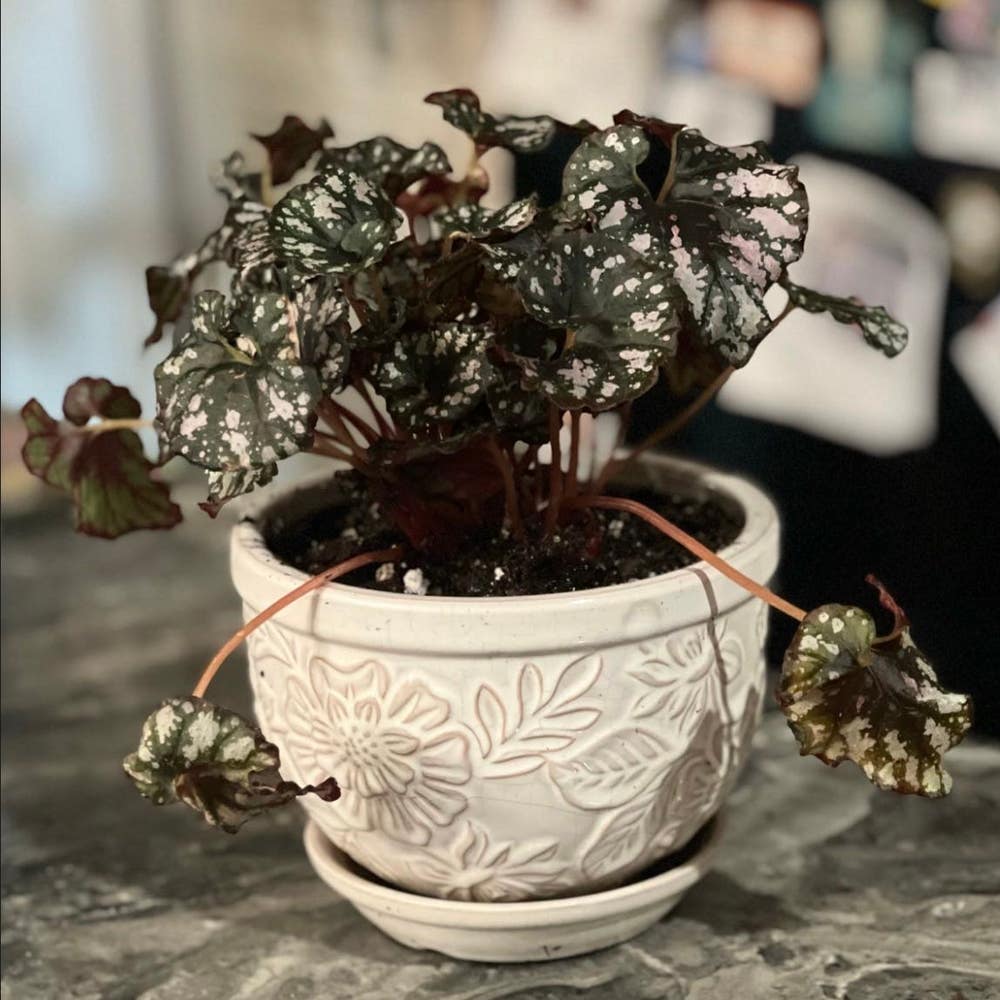
How Do I Propagate My Painted-leaf Begonia?
Begonia rex
By the Greg Editorial Team
Jun 18, 2024•5 min read
This article was created with the help of AI so we can cover more plants for you. May contain errors. See one? Report it here.
- Choose healthy leaves or stems without damage for successful propagation.
- Maintain 70% humidity and 70°F for optimal cutting growth.
- Spring is best for propagation, ensuring parent plant readiness.
Choosing Your Propagation Adventure
🍃 Leaf Cuttings
Selecting the perfect leaf is crucial. Look for one that's plump and healthy, without any distress signals like spots or pests. If it doesn't twist off easily, use a sterile knife for a clean cut. Let the leaf sit for a day or two to form a callus, which helps prevent rot.
🛁 Prepping Your Leaf for Success
Cleanliness is next to godliness here. Ensure your tools are sterilized to avoid introducing any unwelcome microscopic party crashers. Once your leaf has callused, it's ready for the rooting phase.
The Rooting Rendezvous: Soil vs. Water
You've got options: plant the cutting in well-draining soil or let it float in water. If you go aquatic, remember to change the water weekly to keep it fresh and root-friendly.
🌱 Stem Cuttings
🎯 Hunting for the Ideal Stem
For stem cuttings, you want the healthiest candidate. A stem with a couple of leaves and no signs of damage is like finding the golden ticket. Make sure it includes a node, as that's where the new roots will sprout from.
Cutting and Rooting: A Step-by-Step Guide
Snip your stem just below a node. An angled cut increases the surface area for roots to develop. Dip the end in rooting hormone to give it a boost, then plant it in soil or suspend it in water.
Ensuring Your Stem Feels at Home
After planting, create a cozy environment for your stem. It should be warm, humid, and bathed in indirect light. Think of it as a spa retreat for plants, where they can relax and grow roots at their leisure.

The Propagation Playbook
💧 The Right Environment
Crafting the perfect humidity and temperature for your Painted-leaf Begonia cuttings isn't rocket science, but it's close. Aim for that sweet spot—humidity around 70% and temperatures near a cozy 70 degrees Fahrenheit.
🌡️ Humidity Harmony
Too much moisture, and you're on the fast track to Fungusville. Not enough, and your cuttings will throw a tantrum. A misting bottle is your magic wand here, but wield it wisely.
🌡️ Temperature Tactics
Keep things stable; begonias despise change more than a cat hates water. A heat mat is the unsung hero in this tale, especially during those chilly months.
💡 Lighting the Way for Your Cuttings
Bright, indirect light is like a love letter to your begonias. Direct sunlight? That's a ghosting move. It's harsh and unforgiving, and your tender cuttings won't stand for it.
Aftercare Essentials
🚰 Watering Wisdom
Watering is a delicate dance—consistent moisture without creating a miniature swamp. Think of it as a tropical mist, not a monsoon.
👩🌾 Transplanting Time
Watch for the first signs of growth—it's like your cuttings are giving you a subtle nod of approval. That's your cue to start thinking about transplanting.
🌱 Soil and Depth
When transplanting, treat the roots like a fragile heirloom. A favorable soil environment and the right depth are your golden rules. Too deep, and you're burying your chances of success.
Remember, in the world of propagation, patience isn't just a virtue—it's a requirement. Keep an eye on your cuttings, maintain the environment, and resist the urge to poke and prod. Your reward will be new growth, and isn't that what it's all about?

Timing is Everything
In the realm of propagation, timing isn't just a suggestion; it's the backbone of success.
⏰ Seasonal Secrets: Picking the Perfect Propagation Period
Springtime is the golden hour for propagators. It's when your Painted-leaf Begonia is brimming with life, ready to take on the world, one cutting at a time. Early spring offers your begonia cuttings a full season to establish themselves, unfurling their beauty in sync with the longer days and warmer temperatures.
🕵️ Assessing the Parent Plant's Readiness
Before you snip away, give your parent plant a thorough once-over. It should be like a vigorous teenager, full of energy and growth potential. Look for robust health and an absence of stress signals. If it's looking more fatigued than a marathon runner at mile 25, hold off on the propagation. Your plant's readiness is non-negotiable; it's the difference between a flourishing future and a propagation flop.

Overcoming Propagation Pitfalls
🌱 Common Hurdles
Rot, wilting, and stagnant growth are the trifecta of propagation woes. To combat these, vigilance is key. Spot yellowing leaves? You might be overwatering. Trim the soggy roots and let the cutting dry before replanting in well-draining soil. If growth is at a standstill, check your lighting—bright, indirect sunlight is your best friend here.
🌿 Advanced Tips
Encouraging stubborn cuttings to root can test your patience. If roots are shy, ensure the temperature is cozy—aim for 70 to 75 degrees Fahrenheit. For cuttings that seem to have given up the ghost, it's time for tough love. If there's no improvement, it's likely a lost cause. Cut your losses and focus on the ones that show promise. Remember, it's not personal—it's propagation.
⚠️ Safety First
This content is for general information and may contain errors, omissions, or outdated details. It is not medical, veterinary advice, or an endorsement of therapeutic claims.
Always consult a qualified healthcare professional before using any plant as food, medicine, or supplement.
Never eat any plant (or feed one to pets) without confirming its identity with at least two trusted sources.
If you suspect poisoning, call Poison Control (800) 222-1222, the Pet Poison Helpline (800) 213-6680, or your local emergency service immediately.
Spotted an error? Please report it here.
Nurture new life from your Painted-leaf Begonia cuttings 🌱 with Greg's personalized environment tracking, ensuring your propagation thrives with the right humidity and light.