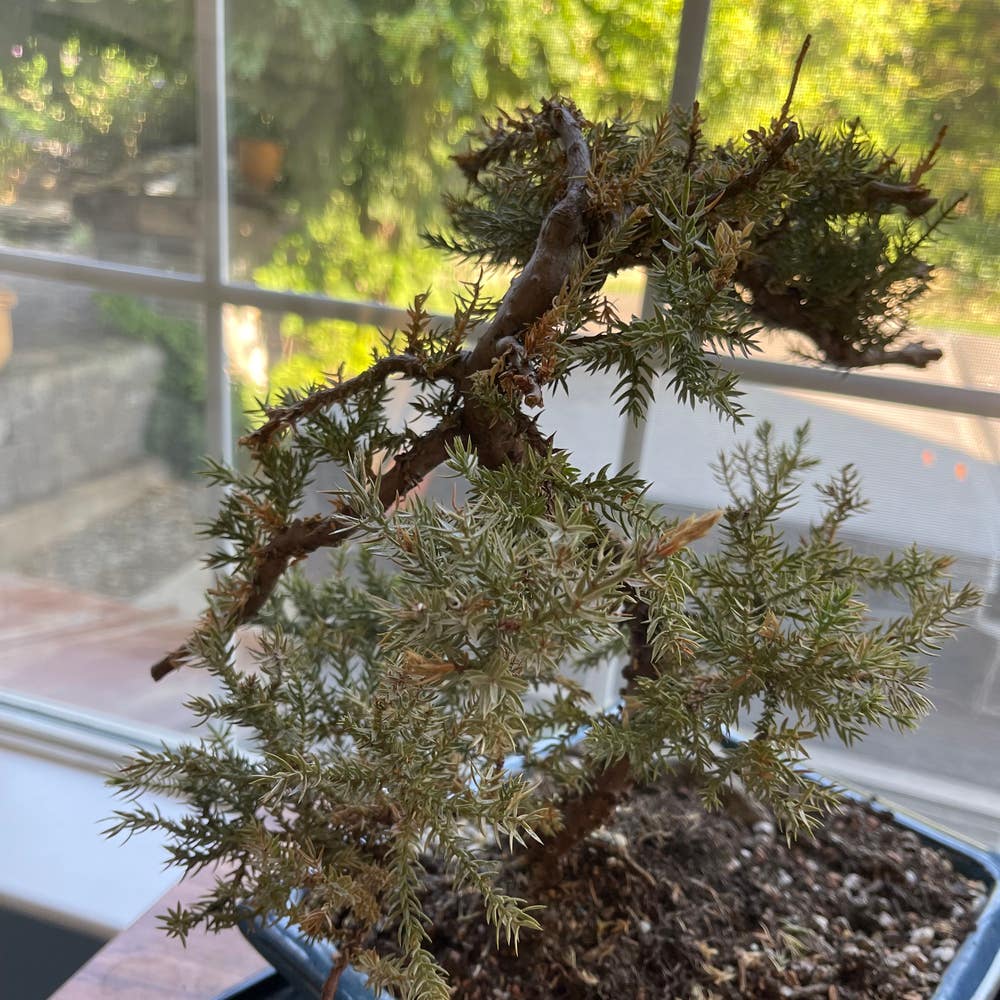
How to Get a Japanese Garden Juniper to Bloom
Juniperus procumbens
By the Greg Editorial Team
Jun 18, 2024•4 min read
This article was created with the help of AI so we can cover more plants for you. May contain errors. See one? Report it here.
Unveil the elusive bloom of your Japanese Garden Juniper 🌸 and elevate your garden's allure.
- 🌸 Rare blooms need male and female plants; patience required for maturity.
- 🌞 Full sun, cool temps optimize blooming; prune late winter for best results.
- 💡 Select slow-release fertilizer with potassium, nitrogen, phosphorus for flowering.
When Does the Magic Happen? Spotting a Blooming Juniper
🌸 The Rarity of Juniper Blooms
Spotting a Japanese Garden Juniper in bloom is like finding a four-leaf clover; it's a rare and special event. These plants are dioecious, meaning they require separate male and female plants to produce those elusive flowers.
🎨 The Look of Juniper Blooms
The blooms are unassuming; they won't shout for attention like a rose. Instead, they're small, often white or pink, and blend into the foliage. They're the wallflowers of the plant world, but don't let their subtlety fool you; they're a critical step towards those famous blue-hued berries that take up to two years to mature.

The Secrets to Encouraging Blooms
⏳ Age and Maturity: Waiting for the Right Moment
Patience is a virtue, especially when it comes to the blooming maturity of Japanese Garden Junipers. These plants won't even think about blooming until they've hit their stride in growth, which can take several years. It's like waiting for a fine wine to age—jump the gun, and you'll be sorely disappointed.
🌞 Sunlight and Temperature: Creating the Perfect Environment
To coax a Japanese Garden Juniper into blooming, you'll need to play the role of a climate maestro. These plants crave sunlight like a cat craves a warm lap, so ensure they bask in full sun for the best shot at flowering. But don't let them swelter; maintain a cool, composed environment to prevent stress, which can be a bloom blocker.

Pruning Your Way to Blooms
🌸 Strategic Snips: Pruning for Flower Power
Pruning isn't just a haircut for your Japanese Garden Juniper; it's a strategic performance enhancer. By trimming excess foliage, you're essentially telling your plant to redirect its energy towards the main event: blooming. The timing is critical—late winter or early spring, just before the growing season, is your window of opportunity.
🌿 Pruning Do's and Don'ts
Precision is key. Use clean, sharp tools to make decisive cuts, much like a surgeon on the operating table. Pruning during active growth phases is like giving your plant a shot of adrenaline, spurring healing and rejuvenation. Encourage branching by snipping the tips of shoots, which is like a gentle nudge for your plant to spread its wings and bloom.
However, over-pruning can be as detrimental as neglect. It's like forcing your plant to run a marathon without training—stressful and counterproductive. Aim for selective thinning to boost air circulation and light exposure, which are like VIP tickets to the flower show. Remember, wield those pruners with confidence but also with care. Prune to prevent overcrowding, but leave enough foliage to protect the plant from sunscald and maintain its health.
Lastly, avoid pruning during peak summer heat. Leaves are the plant's natural sunblock and are crucial for photosynthesis. Instead, opt for light, strategic cuts that maintain enough foliage for the plant's health. Pruning too early or too late can disrupt the flowering cycle, so watch for signs of new growth as your cue to start.

Feeding Your Juniper for Success
💪 The Role of Nutrients in Flower Development
Potassium is the unsung hero when it comes to getting those Juniper blooms going. It's like the plant's personal trainer, ensuring the blooms are in top form. But let's not forget about nitrogen and phosphorus, along with a posse of trace elements; they're all crucial for the blooming entourage.
🌱 Fertilizer Choices and Timing
Choosing the right fertilizer is like picking the perfect playlist for a road trip—it sets the tone. Go for a slow-release option that gives your Juniper a steady nutrient supply, avoiding the drama of overfeeding. Timing is key; feed in late winter to early spring, just as the plant is waking up and thinking about putting on a show. And remember, water after fertilizing to get those nutrients where they need to go—down to the roots.
⚠️ Safety First
This content is for general information and may contain errors, omissions, or outdated details. It is not medical, veterinary advice, or an endorsement of therapeutic claims.
Always consult a qualified healthcare professional before using any plant as food, medicine, or supplement.
Never eat any plant (or feed one to pets) without confirming its identity with at least two trusted sources.
If you suspect poisoning, call Poison Control (800) 222-1222, the Pet Poison Helpline (800) 213-6680, or your local emergency service immediately.
Spotted an error? Please report it here.
Nurture your Japanese Garden Juniper to its blooming best 🌸 with Greg's custom care plan and timely pruning reminders, making the wait worthwhile.