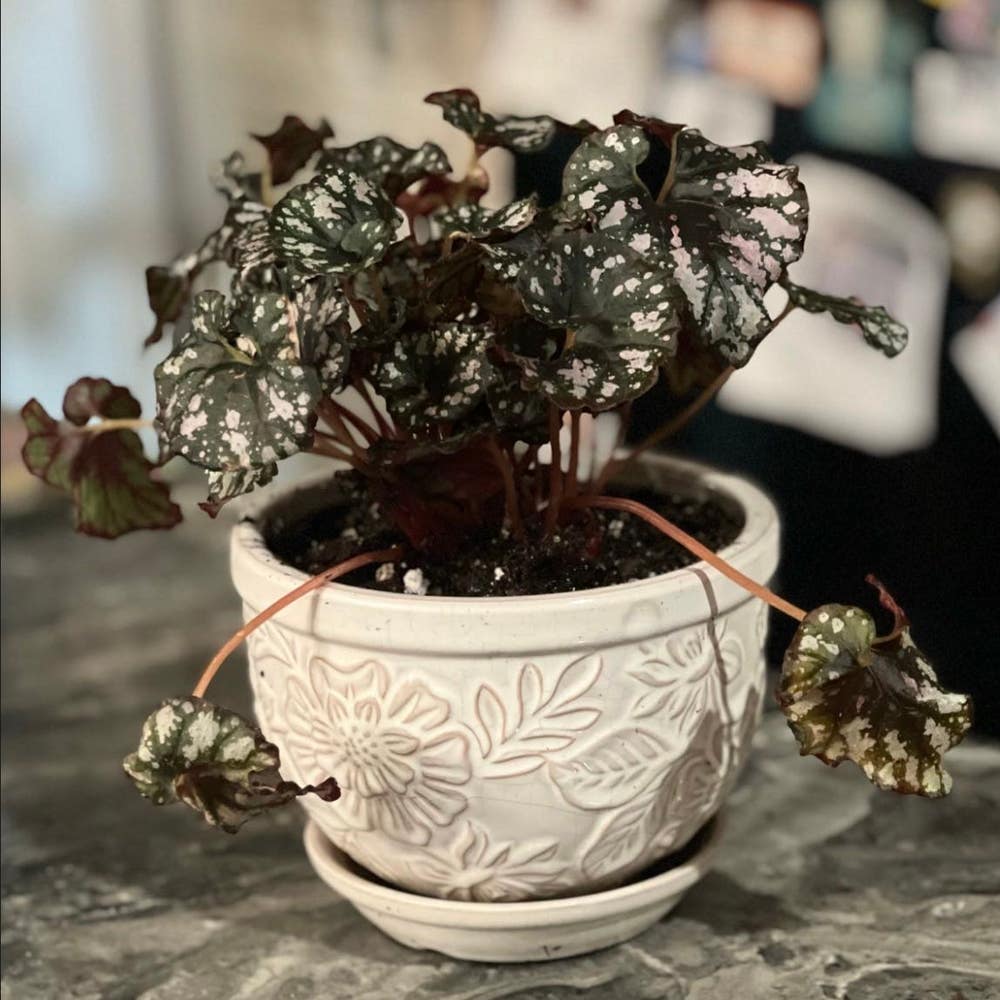
How to Prune Painted-leaf Begonia
Begonia rex
By the Greg Editorial Team
Jun 18, 2024•5 min read
This article was created with the help of AI so we can cover more plants for you. May contain errors. See one? Report it here.
- Spring and post-flowering are prime times for pruning Painted-leaf Begonia.
- 🌿 Pinching and deadheading encourage bushiness and more blooms.
- Sterilize tools; prune for health to prevent disease and shape growth.
Gear Up: Tools and Timing for Pruning
Pruning your Painted-leaf Begonia isn't just about keeping it tidy; it's a vital part of plant care that demands the right tools and timing.
🌱 When to Snip: Timing Your Pruning
Pruning should sync with your Begonia's growth cycles. Spring is the season of rebirth and the perfect time to prune. Post-flowering is another prime time, as it sets the stage for new growth. Remember, pruning during dormancy is like waking someone up in the middle of a deep sleep—just don't.
🔪 Keeping It Sharp: Tool Care
Sharp, clean tools are the secret sauce to successful pruning. Sterilize your shears before each use to avoid introducing any nasty bugs to your Begonia. A sharpener and a wire brush should be part of your toolkit to keep your tools in top-notch condition. And don't forget the lubricant; it's like the moisturizer for your shears, keeping them smooth and ready for action.

The Art of Pruning Painted-leaf Begonia
Pruning Painted-leaf Begonia isn't just about snipping away—it's an art form that shapes vitality and beauty.
✂️ Pinching for Perfection
Pinching is your secret weapon for a compact Painted-leaf Begonia. Nip the tips of young shoots between your thumb and forefinger. This encourages multiple shoots, transforming a lanky plant into a lush, bushy masterpiece. It's like telling your Begonia, "Hey, let's get full and fabulous!"
💐 Deadheading for Dazzling Blooms
Deadheading is the unsung hero of the blooming world. When flowers fade, snip them off. This tells your Begonia, "Focus on the future, buddy!" and new blooms take center stage. It's not just a cleanup—it's a motivational speech for your plant.
🍃 Leaf Pruning: A Clean Sweep
Old leaves can be a drag, literally. They weigh down your plant and hog resources. Clear them out and watch your Begonia breathe a sigh of relief. It's like clearing your desk—suddenly, there's room to grow. Prune above a leaf node for a burst of new energy.

Pruning for Health: Disease and Pest Control
🕵️ Spotting Trouble: Identifying Signs of Disease and Pests
Vigilance is key in maintaining the health of your Painted-leaf Begonia. Regularly inspect for pests like spider mites, which leave fine webbing, or mealybugs, betraying their presence with cotton-like fluff. Fungal enemies, such as powdery mildew, appear as a ghostly white coating. These are not just cosmetic issues; they're threats to your plant's well-being.
✂️ Pruning Away Problems to Keep Your Begonia Thriving
When you spot a diseased limb or leaf, it's time for some botanical surgery. Remove these sections with precision to prevent the spread of maladies. It's like cutting out the rotten parts of an apple to save the rest. Ensure you use sterilized tools to avoid introducing new problems and always aim for a clean cut to promote healing.
Keep It Clean
A clean plant is a happy plant. Hygiene is crucial—remove any affected foliage promptly to prevent pests and pathogens from getting cozy. It's like keeping your kitchen spotless to avoid attracting ants.
Air Circulation: Your Secret Weapon
Boost air circulation by strategic pruning, which helps prevent the damp conditions diseases love. It's like opening windows in a musty room—fresh air is the enemy of fungal fiestas.
Water Wisely
Water your begonia from below to keep the leaves dry, reducing the risk of fungal diseases. It's the difference between a refreshing drink and a soggy, unhappy plant.
The Fertilization Factor
Balance your fertilization practices. Overdoing it is like leaving out a feast for pests and diseases. A well-nourished Begonia can fend off infections with vigor.
Quick Response Team
Act fast at the first sign of trouble. It's like catching a typo before hitting send—prevention saves a whole lot of trouble down the line. If the issue persists, consider a suitable fungicide as a last resort, but remember, the best offense is a good defense.

Shaping Up: Controlling Size and Form
Pruning isn't just about health; it's sculpting your Painted-leaf Begonia into a living masterpiece.
🌳 Sculpting for Symmetry
Balance is key. Aim for a rounded, symmetrical shape by snipping overgrown branches. Think of it as a haircut for your plant; you're looking for that neat, just-left-the-salon look.
✂️ Strategic Snips
Make cuts above leaf nodes to encourage bushier growth. This isn't just about aesthetics; it's about creating a plant that can support its own beauty without drooping.
💇 Aesthetic Pruning
Remove any leaves that are out of place, damaged, or discolored. It's like plucking out that one gray hair—instant rejuvenation.
📐 The Rule of Thirds
When in doubt, follow the rule of thirds. Imagine your Begonia divided into three sections and prune to maintain that proportion. It's a classic design principle for a reason—it just works.
🌿 Directing Growth
Use stakes or trellises subtly to guide your Begonia's growth. It's a nudge rather than a shove in the right direction.
🌱 Regular Check-ins
Keep an eye on your plant's shape as it grows. Regular maintenance trims prevent a full-blown pruning marathon later on.
Remember, every snip is a decision. You're not just cutting away the excess; you're defining what your Painted-leaf Begonia will become.
⚠️ Safety First
This content is for general information and may contain errors, omissions, or outdated details. It is not medical, veterinary advice, or an endorsement of therapeutic claims.
Always consult a qualified healthcare professional before using any plant as food, medicine, or supplement.
Never eat any plant (or feed one to pets) without confirming its identity with at least two trusted sources.
If you suspect poisoning, call Poison Control (800) 222-1222, the Pet Poison Helpline (800) 213-6680, or your local emergency service immediately.
Spotted an error? Please report it here.
Ensure your Painted-leaf Begonia thrives with strategic pruning and Greg's tailored reminders 🌿, making plant care a breeze.