Echeveria prolifica Root Rot Solutions
Echeveria prolifica
By the Greg Editorial Team
Jun 18, 2024•3 min read
This article was created with the help of AI so we can cover more plants for you. May contain errors. See one? Report it here.
Rescue your Echeveria from root rot 🌱 and ensure its survival with these expert tips! 🛡️
- Spot root rot early with mushy roots and foul odor.
- Prevent with "soak and dry" watering and good drainage.
- Bright light and airflow help keep root rot away.
Spotting the Trouble: Signs of Root Rot in Your Echeveria
🕵️ Checking the Roots
Unearth your Echeveria prolifica with care to inspect its roots. Healthy roots boast a firm texture and a light color. Signs of trouble include roots that are mushy, dark, or emit a foul odor—the telltale markers of root rot.
🌱 Above the Soil Symptoms
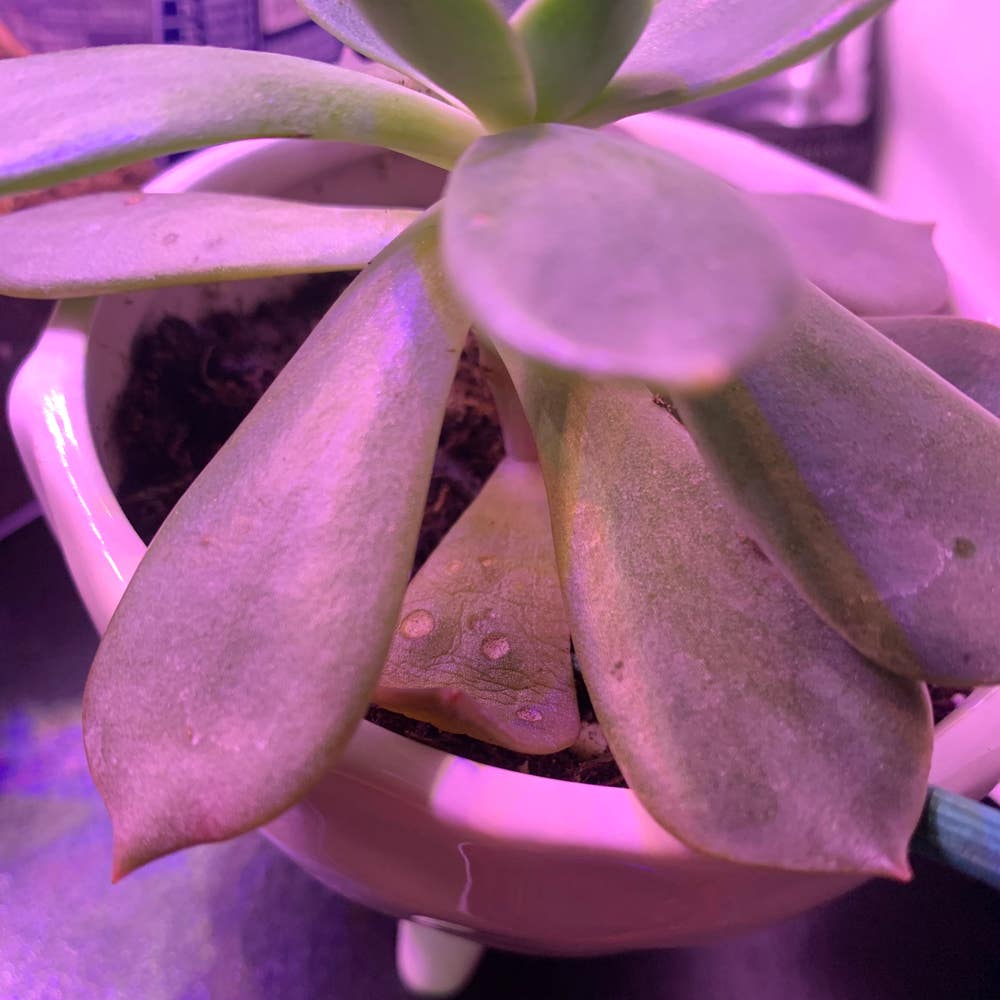
Above ground, yellowing leaves may signal distress, especially if newer leaves are affected. Don't be fooled by natural aging; it's the unexpected changes you're looking for. Wilting, despite adequate watering, or leaves with a soggy feel are red flags. Keep an eye out for black spots on leaves, as they can indicate the disease has advanced.

First Response: Salvaging a Root Rot Victim
🌱 Snip and Save
Root rot in your Echeveria prolifica is like hitting a pothole on the road to plant perfection—it's jarring, but not the end of the journey. First, yank the plant from its pot with a gentle firmness. Next, channel your inner surgeon: sterilize your scissors and snip off the mushy, discolored roots. This is no time for mercy; only the firm, white roots get a pass.
💧 The Right Soil for a Fresh Start
After the amputation, it's time for a fresh start. Repotting your Echeveria prolifica isn't just about slapping it into new soil; it's about setting the stage for a triumphant comeback. Choose a well-draining soil mix—think of it as the plant's new luxury condo, complete with a drainage system that would make a civil engineer proud. Before your plant settles into its new digs, consider a sprinkle of fungicide to back up its immune system. Then, let it rest in a stable environment, away from the harsh sun or the chills, like a spa retreat for recovery.

Water Wisely: Keeping Root Rot at Bay
💧 Perfecting Your Watering Routine
Watering your Echeveria prolifica is more art than science. Ditch the calendar; these succulents don't guzzle on a schedule. Instead, embrace the "soak and dry" method—water thoroughly, then wait for the soil to become bone dry before the next round. Use a soil probe or your trusty finger to check moisture levels. If it's dry an inch down, it's time to water. If not, hold off and check your impulse at the door.
🚰 Drainage is Key
Your Echeveria's pot should have more holes than a block of Swiss cheese. Drainage holes are your best defense against the swampy conditions that root rot thrives in. And the soil? Think of it as the VIP lounge for roots—only the best, well-draining mix will do. When you water, you want to see a mini Niagara Falls pouring out the bottom. No drainage, no party—your Echeveria won't thank you for a soggy bottom.

Creating a Hostile Environment for Root Rot
💡 Light and Airflow
Bright, indirect light and consistent airflow are your plant's best friends in the fight against root rot. Place your Echeveria prolifica where it can bask in the glow without getting sunburned. Think of it like a beach umbrella on a sunny day—protection without the risk. Keep the air moving; a stagnant atmosphere is a playground for fungi. A small fan can work wonders, just enough to rustle the leaves like a gentle whisper.
🛡️ Fungicide: A Secret Weapon?
While not a silver bullet, fungicides can bolster your plant's defenses. They're like the plant equivalent of hand sanitizer during flu season. Use them judiciously; it's about prevention, not overkill. Remember, the goal is to create an environment so inhospitable to root rot that even the thought of it makes fungi shudder.
⚠️ Safety First
This content is for general information and may contain errors, omissions, or outdated details. It is not medical, veterinary advice, or an endorsement of therapeutic claims.
Always consult a qualified healthcare professional before using any plant as food, medicine, or supplement.
Never eat any plant (or feed one to pets) without confirming its identity with at least two trusted sources.
If you suspect poisoning, call Poison Control (800) 222-1222, the Pet Poison Helpline (800) 213-6680, or your local emergency service immediately.
Spotted an error? Please report it here.
Banish echeveria root rot by spotting wilted leaves and mushy roots, and let Greg guide 🌱 you to perfect watering and soil health for a thriving succulent comeback.