🐛 What To Do About Bugs on My Echeveria prolifica?
Echeveria prolifica
By the Greg Editorial Team
Jun 18, 2024•3 min read
This article was created with the help of AI so we can cover more plants for you. May contain errors. See one? Report it here.
Shield your succulent 🛡️ from bug invasions with timely tips for a thriving, pest-free Echeveria prolifica!
- 🌱 Wilting or discoloration? Could signal pests on Echeveria prolifica.
- 🕸️ Spider mites and mealybugs leave distinct signs; act quickly.
- 🐞 Prevent pests with cleanliness, proper watering, and natural defenders.
Spotting the Invaders: Early Signs of Pest Infestation
🐛 Look for the Telltale Signs
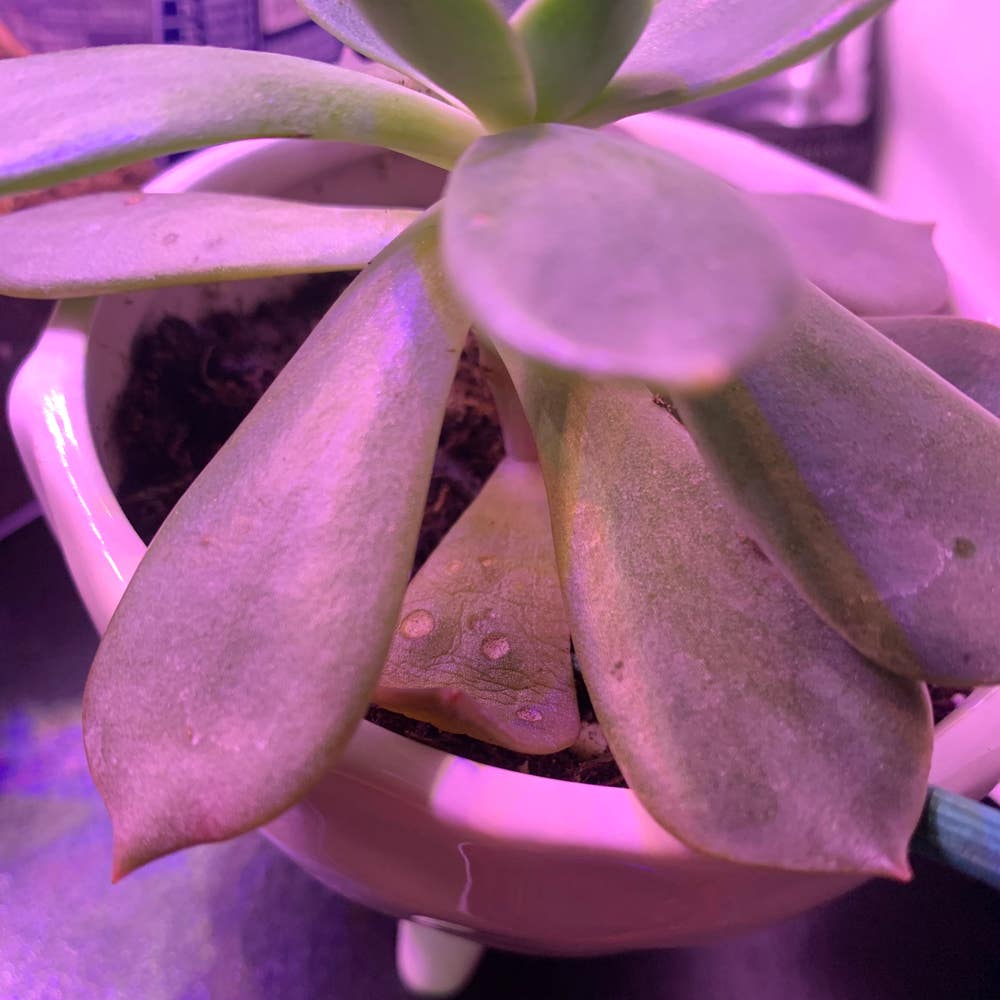
Wilting or discoloration can be your Echeveria prolifica's cry for help, signaling an uninvited pest party. Don't dismiss sticky honeydew or soft growth; these are red flags for a potential bug bash.
Understanding the life cycles of pests is like knowing the enemy's playbook. It's crucial for timely defense moves, ensuring your succulent stays in fighting shape.
🕵️ Regular Check-Ups
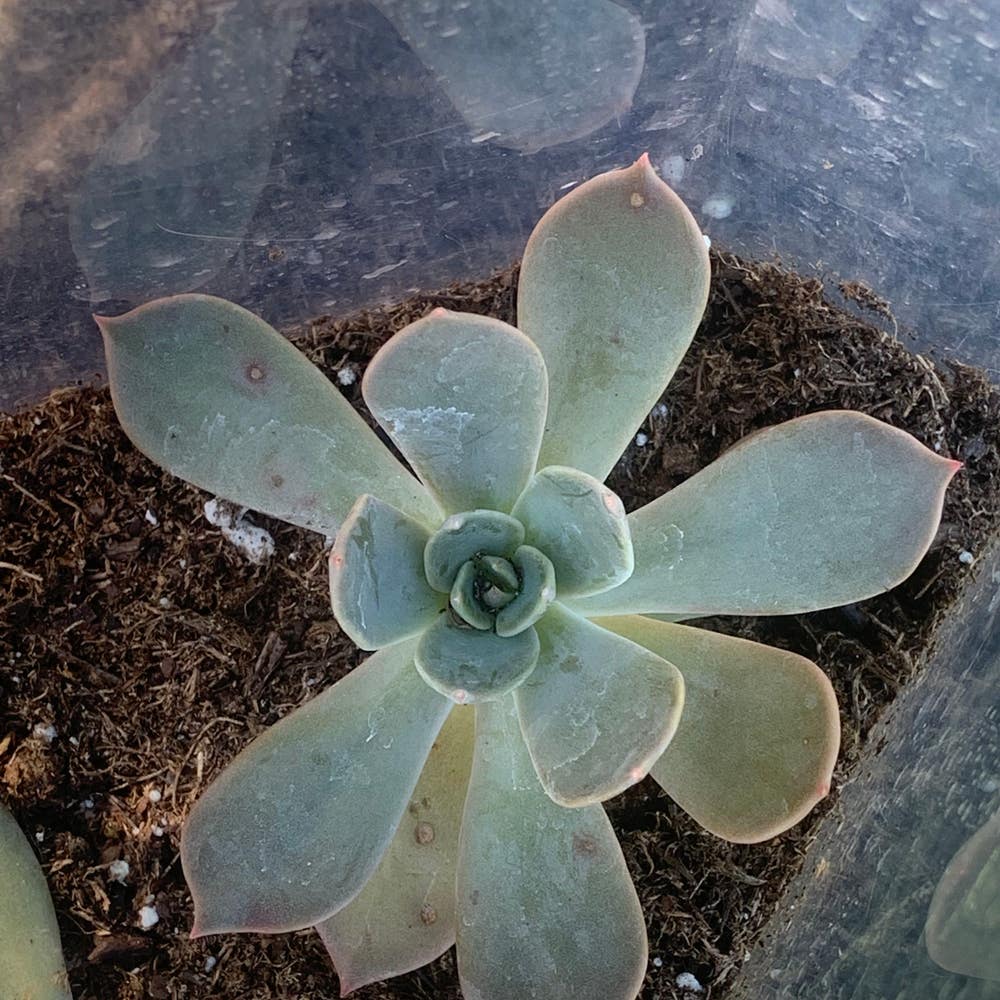
Inspect your Echeveria prolifica like it's a top-secret mission. Look for webbing, waxy bumps, or any signs that scream "bug invasion."
Routine monitoring is not just good practice; it's a necessity. It's the difference between a quick fix and a full-blown infestation. Keep those peepers peeled!

The Usual Suspects: Common Pests on Echeveria prolifica
🕷️ Spider Mites: The Sneaky Sap-Suckers
Tiny vampires of the plant world, spider mites are notorious for their sap-sucking habits. Look for silvery stippling on leaves and fine webbing, their signature décor. To combat these pests, introduce predatory mites or wash them away with a forceful stream of water, targeting the undersides of leaves. Regular wipe-downs with a soft cloth can prevent their return.
🦟 Scale: The Sticky Freeloaders
Scale insects are like squatters on your Echeveria prolifica, setting up camp and refusing to budge. Bumps on leaves and a sticky residue are dead giveaways. To evict these freeloaders, manually remove them or use insecticidal soaps. Keep an eye out for discoloration and leaf drop, as these are the first signs of a scale invasion.
🦟 Fungus Gnats: More Than Just Annoying Flies
Fungus gnats are the party crashers of the soil world, hovering around like they own the place. Spot them by the tiny black flies above the soil. To show them the door, use yellow sticky traps to catch the adults and let the soil dry out to discourage larvae.
🐛 Mealybugs: The White Cottony Clingers
Mealybugs are the uninvited guests that never leave, setting up fluffy white bases in the nooks of your plant. To spot these pests, look for cottony masses or waxy residue. To get rid of them, dab with alcohol-soaked cotton swabs or spray with insecticidal soap. Remember, a clean Echeveria is a mealybug-free Echeveria, so keep those leaves dust-free.

When Prevention is Better Than Cure
🐜 Keeping Your Echeveria prolifica Pest-Free
Overcrowding is a no-no. Your Echeveria prolifica values personal space as much as the next plant. Keep them spaced to prevent a pest party. Well-draining soil is a must-have; it's the difference between a comfy bed and a swamp for your succulent. Water only when the soil is dry—your plant's roots aren't snorkels.
Cleanliness isn't just next to godliness; it's pest prevention 101. Wipe those leaves down like you're detailing a luxury car. And for that extra shield, consider a preventative neem oil spritz—it's like bug repellent for plants.
🐞 Natural Defenders and Eco-Friendly Solutions
Ladybugs and lacewings aren't just cute; they're your garden's bouncers, keeping the riff-raff out. If you can, invite them over. They'll take care of pests like they're on the payroll. Fungus gnats telling you to ease up on the watering? Listen to them. Let the soil dry out more between waterings—it's like putting up a "no vacancy" sign for gnats.
Sunlight is your Echeveria prolifica's superfood. It's like a free gym membership for your plant, beefing it up against pests. And remember, less is more when it comes to fertilizer. Overdoing it is like leaving leftovers at a picnic—pests will come flocking. Keep it lean and mean.

⚠️ Safety First
This content is for general information and may contain errors, omissions, or outdated details. It is not medical, veterinary advice, or an endorsement of therapeutic claims.
Always consult a qualified healthcare professional before using any plant as food, medicine, or supplement.
Never eat any plant (or feed one to pets) without confirming its identity with at least two trusted sources.
If you suspect poisoning, call Poison Control (800) 222-1222, the Pet Poison Helpline (800) 213-6680, or your local emergency service immediately.
Spotted an error? Please report it here.
Prevent pests from bugging your Echeveria prolifica by relying on Greg for timely inspections 🕵️♂️ and personalized care reminders, keeping your succulent healthy and pest-free!