🌵 Where Can Prolific Echeveria Grow? Zones 9a-11b
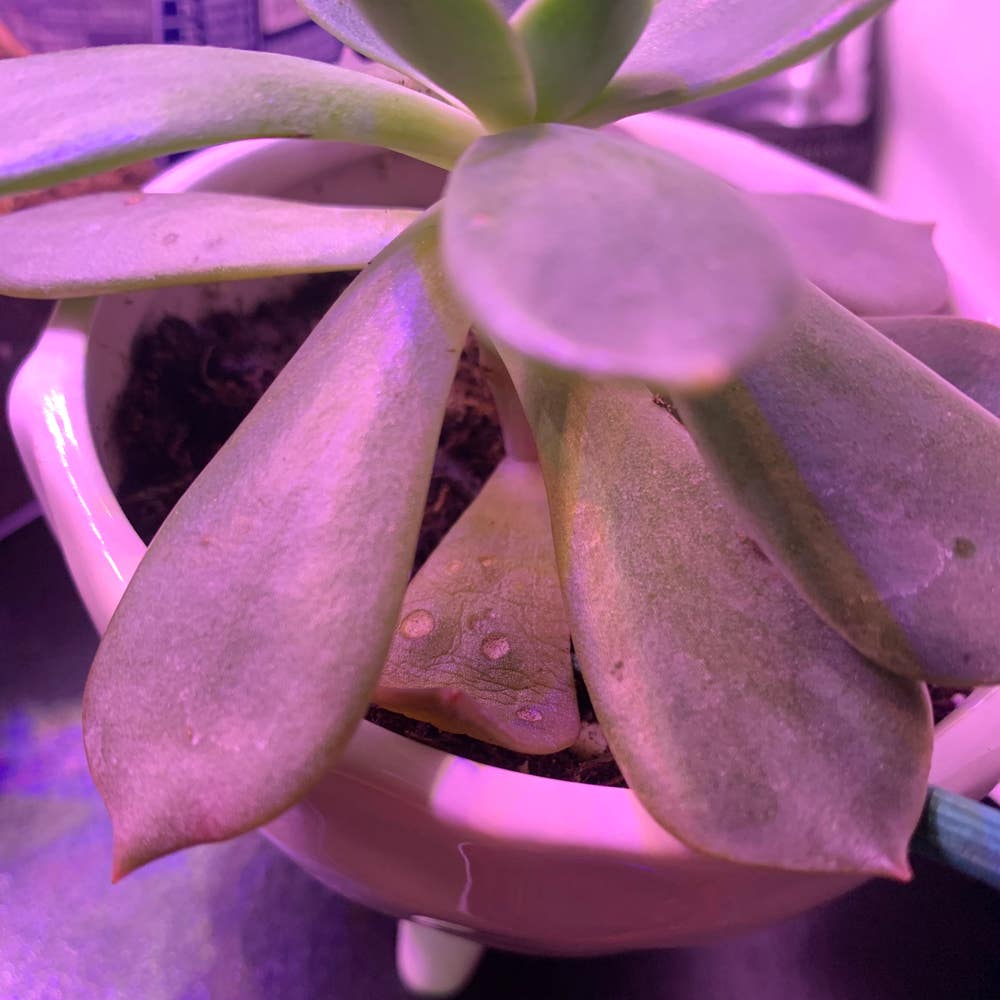
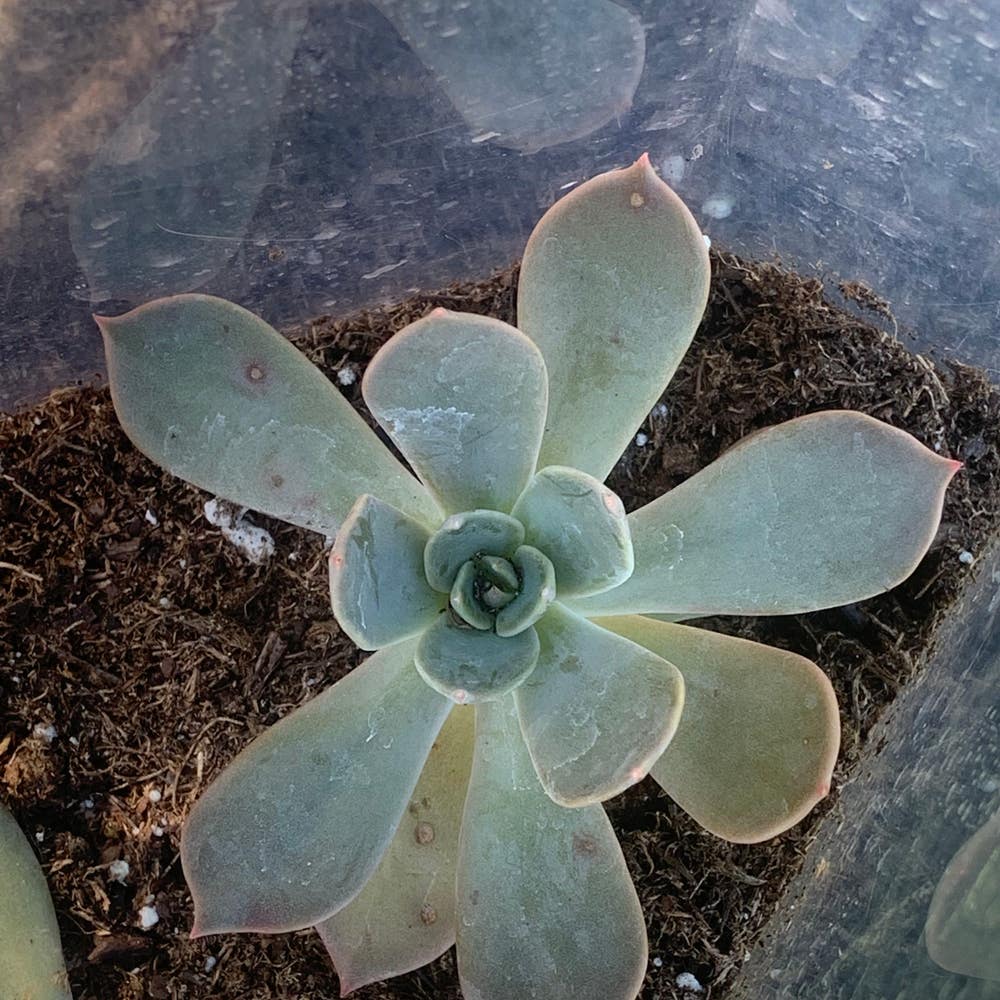
Echeveria prolifica
By the Greg Editorial Team
Sep 30, 2024•5 min read
This article was created with the help of AI so we can cover more plants for you. May contain errors. See one? Report it here.
Unlock vibrant Prolific Echeveria 🌱 by mastering its temperature needs for thriving growth and blooms!
- 🌞 Prolific Echeveria thrives in USDA zones 9a-11b, ideal for warm climates.
- ❄️ Frost sensitivity means temperatures below 20°F can harm Echeveria health.
- 🌿 Well-draining soil and bright light are essential for optimal growth.
Temperature Tolerance of Prolific Echeveria
❄️ Cold Tolerance Specifics
Prolific Echeveria can withstand temperatures as low as 20°F (-6°C). However, it is sensitive to frost, making protection essential during unexpected cold snaps.
Understanding first and last frost dates is crucial for successful planting. This knowledge helps gardeners time their planting to avoid frost damage.
☀️ Heat Tolerance Specifics
In contrast, Prolific Echeveria thrives in warm, dry conditions typical of zones 9a-11b. While it loves the heat, excessive temperatures can hinder growth and overall health.
For optimal growth and flowering, aim for a temperature range between 70°F to 85°F (21°C to 29°C). This range promotes vibrant blooms and healthy foliage.
🌡️ Impact of Temperature Extremes on Growth
Sudden temperature changes can stress Prolific Echeveria, leading to wilting or discoloration. These signs indicate that the plant is struggling to adapt to its environment.
Monitoring temperature fluctuations is vital for maintaining the health of your Echeveria. By being proactive, you can ensure your plants thrive despite the challenges of extreme temperatures.
Understanding these temperature tolerances sets the stage for exploring ideal growing regions for Prolific Echeveria. Let's dive into where these beautiful succulents can flourish!
Ideal Growing Regions for Prolific Echeveria
🌎 Examples of US States in Zones 9a-11b
Prolific Echeveria thrives in several states across the U.S., particularly in California, Florida, and Texas. Each of these states offers unique regions that create ideal conditions for this succulent.
In California, areas like Southern California benefit from a Mediterranean climate, providing ample sunshine and minimal rainfall. Florida's southern regions, with their warm, humid conditions, also support Echeveria growth, especially in well-drained soils. Meanwhile, Texas offers diverse climates, but the western part is particularly favorable due to its dry heat.
🌱 Factors Contributing to Ideal Growing Conditions
Several key factors contribute to the success of Prolific Echeveria in these regions. Soil type is crucial; well-draining, sandy soils are ideal to prevent root rot.
Sunlight exposure is another vital element; Echeveria loves bright light, so full sun or partial shade is best. Additionally, maintaining moisture levels is essential; these plants prefer dry conditions, making it important to avoid overwatering.
🔍 Comparison of Different Regions Within the Suitable Zones
While California, Florida, and Texas are all suitable for Echeveria, climate conditions can vary significantly within these states. For instance, coastal areas may experience more humidity, which can be detrimental to Echeveria health.
In contrast, inland regions often provide the dry heat that these succulents crave. Understanding these local geographic differences can help gardeners select the best spots for planting, ensuring their Echeveria thrives.
As you explore the ideal growing regions for Prolific Echeveria, consider how microclimates can further enhance your gardening success. These localized conditions can extend the growing range and provide additional warmth and protection.
Microclimates and Their Impact
🌡️ How Microclimates Can Extend Growing Range
Microclimates are localized areas that can create unique growing conditions, allowing Prolific Echeveria to thrive even outside their typical hardiness zones. These sheltered spots can provide warmth and protection from harsh winds, making them ideal for succulent growth.
Understanding microclimates can significantly enhance your gardening success. By identifying these areas, you can extend your growing range and cultivate Echeveria in less-than-ideal conditions.
🏡 Examples of Microclimates That Benefit Echeveria
Several specific microclimates can boost Echeveria growth. For instance, south-facing walls absorb sunlight and radiate warmth, creating a cozy environment for these plants. Similarly, patios that receive ample sunlight can serve as perfect spots for Echeveria to flourish.
To identify and utilize microclimates effectively, observe your garden throughout the day. Look for areas that stay warmer or drier than others, and consider using pots or raised beds to take advantage of these favorable conditions.
By leveraging microclimates, you can create a thriving environment for your Prolific Echeveria, ensuring they remain healthy and vibrant.
As we explore further, let’s dive into the state-level suitability analysis for growing these beautiful succulents.
State-Level Suitability Analysis
🌞 List of States Suitable for Prolific Echeveria
Prolific Echeveria thrives in USDA zones 9a-11b, making several states ideal for its growth. Here’s a quick rundown:
- California: Known for its warm, dry climate, especially in Southern California, which offers plenty of sunshine.
- Florida: The subtropical climate provides the warmth and humidity that Echeveria enjoys, particularly in the southern regions.
- Texas: With its diverse climates, areas like West Texas are perfect for these succulents, offering dry conditions and ample sunlight.
🚫 List of States Unsuitable for Prolific Echeveria
Not all states are friendly to Prolific Echeveria. Here’s a list of states where it’s unlikely to survive:
- Alaska: The cold temperatures and long winters make it impossible for Echeveria to thrive.
- Maine: With its harsh winters and excessive moisture, this state is not suitable for these succulents.
- Minnesota: Similar to Maine, the cold climate and frost occurrences are detrimental to Echeveria growth.
🌧️ Reasons for Suitability or Unsuitability Based on Climate Factors
Understanding climate factors is crucial for successful Echeveria cultivation.
- Temperature Ranges: Echeveria prefers warm temperatures, ideally between 70°F and 85°F (21°C to 29°C). States with consistent warmth are more suitable.
- Frost Occurrences: Areas with minimal frost are essential. Echeveria can tolerate some cold but not prolonged freezing temperatures.
- Moisture Levels: These plants thrive in dry conditions. States with high humidity can lead to rot and other issues.
Recognizing these climate characteristics helps gardeners make informed decisions about where to plant their Prolific Echeveria. With the right conditions, these beautiful succulents can flourish, adding vibrant life to any garden.
As we explore further, let’s dive into how microclimates can enhance Echeveria growth even in less-than-ideal conditions.
⚠️ Safety First
This content is for general information and may contain errors, omissions, or outdated details. It is not medical, veterinary advice, or an endorsement of therapeutic claims.
Always consult a qualified healthcare professional before using any plant as food, medicine, or supplement.
Never eat any plant (or feed one to pets) without confirming its identity with at least two trusted sources.
If you suspect poisoning, call Poison Control (800) 222-1222, the Pet Poison Helpline (800) 213-6680, or your local emergency service immediately.
Spotted an error? Please report it here.
Grow your Prolific Echeveria like a pro 🌵 by using Greg's tailored care reminders to keep them thriving in their perfect climate!