Best Tips for Blooming Prolific Echeveria 🌸
Echeveria prolifica
By the Greg Editorial Team
Sep 30, 2024•5 min read
This article was created with the help of AI so we can cover more plants for you. May contain errors. See one? Report it here.
Discover how to make your Prolific Echeveria bloom beautifully 🌸 with essential care tips and insights!
- 🌸 Prolific Echeveria blooms with distinctive spikes in pink or orange hues.
- ☀️ 6 to 8 hours of indirect sunlight is crucial for encouraging blooms.
- 🌡️ Optimal temperatures of 20°C to 25°C promote successful flowering.
Flowering Status
Clarification on Flowering Status 🌸
Prolific Echeveria is indeed a flowering plant, showcasing its beauty through distinctive flower spikes. Understanding its flowering habits is crucial for effective care and maintenance, ensuring your plant thrives.
Reasons for Non-Flowering 🚫
Several factors can inhibit flowering in Prolific Echeveria.
- Insufficient Light Exposure: Without adequate light, the plant may struggle to produce blooms.
- Inappropriate Temperature Conditions: Extreme temperatures can hinder the flowering process.
- Nutrient Deficiencies: Lack of essential nutrients can prevent the plant from reaching its blooming potential.
By addressing these issues, you can encourage your Echeveria to flourish and bloom beautifully.
If Prolific Echeveria Flowers
🌸 Flower Characteristics
Description of Colors and Structure
Prolific Echeveria showcases stunning flowers in shades of pink or orange. These tubular blooms are elegantly arranged on a flower spike, creating a striking contrast against the plant's rosette-shaped foliage.
Self-Pollination vs. External Pollination
This plant is capable of self-pollination, but inviting external pollinators can significantly enhance seed production. Pollinators play a crucial role in the ecosystem, helping to ensure the continuation of these beautiful plants.
🌼 Blooming Process
Stages of Blooming
The blooming process begins with bud formation, where flower buds first appear. This is followed by several stages: bud swelling, the opening of flowers, and finally, reaching full bloom.
Typical Bloom Time
Echeveria typically blooms from late spring to early summer. The average duration of these blooms lasts between 2 to 4 weeks, offering a delightful display.
Duration from Bud Formation to Full Bloom
From the initial bud formation to full bloom, the process takes approximately 2 to 3 weeks. This timeline allows for anticipation as the flowers develop.
Lifespan of Flowers
Once fully open, the flowers have a lifespan of about 1 to 2 weeks. This brief period of beauty is a reminder to enjoy the moment.
🌱 Encouraging Blooms
Tips for Encouraging Flowering
To encourage flowering, provide your Echeveria with 6 to 8 hours of indirect sunlight daily. Maintaining an optimal temperature range of 20°C to 25°C (68°F to 77°F) and using a balanced fertilizer during the growing season can also boost blooming.
Factors Influencing Blooms
Environmental conditions such as light, temperature, and soil moisture significantly influence blooming. Be mindful of seasonal changes and adjust your care routine accordingly.
🌿 Post-Flowering
What Happens After Flowering
After flowering, the plant's energy shifts back to foliage growth, completing its flowering cycle. You may also notice new offsets emerging from the base, signaling continued vitality.
Does It Die After Flowering?
Rest assured, Prolific Echeveria does not die after flowering; it continues to thrive and grow. This resilience makes it a rewarding plant to cultivate.
🐝 Pollination
Methods of Pollination
Self-pollination occurs naturally within the plant, ensuring reproduction. However, attracting bees and other pollinators can enhance seed production, enriching the plant's lifecycle.
With an understanding of the flowering process and care tips, you're well-equipped to nurture your Prolific Echeveria. Next, let’s explore what to do if your plant doesn’t flower.
If Prolific Echeveria Doesn't Flower
🌿 Primary Ornamental Features
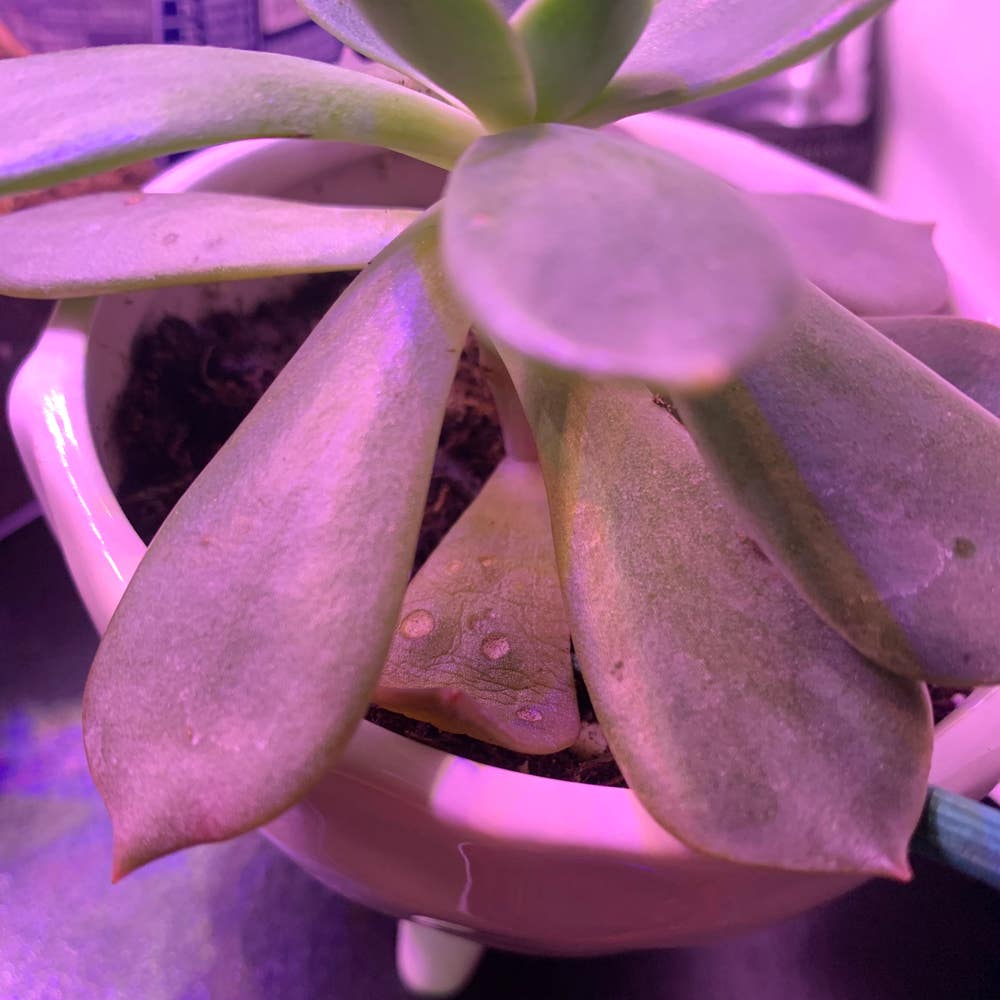
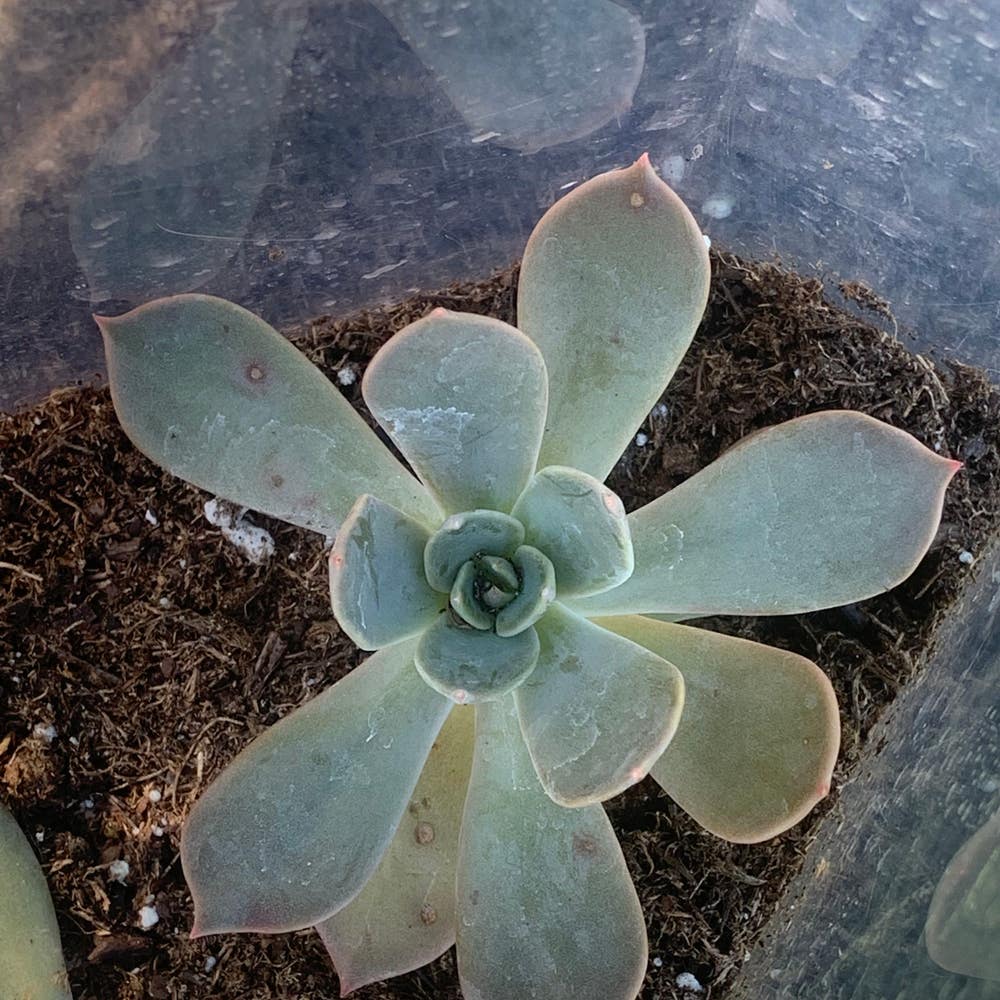
Prolific Echeveria is celebrated for its stunning foliage. The attractive rosette shape and vibrant color variations make it a standout in any garden.
These plants are perfect for various landscaping applications. They shine in rock gardens, containers, and even as indoor decor, adding a touch of elegance wherever they are placed.
🌱 Reproduction Without Flowers
Even without flowers, Prolific Echeveria has a clever way to reproduce. It produces offsets, which are small plants that grow from the base, allowing for easy propagation.
Offsets play a crucial role in maintaining the plant population. This method ensures that even if flowering doesn’t occur, the beauty of Echeveria can continue to thrive and spread.
In summary, while flowering is a delightful bonus, the charm of Prolific Echeveria lies in its resilient foliage and ability to reproduce through offsets. This adaptability makes it a beloved choice for gardeners and plant enthusiasts alike.
As we explore the unique aspects of this plant, we’ll uncover more about its fascinating characteristics and reproductive strategies.
Unique Aspects
Unusual Characteristics Related to Flowering or Non-Flowering 🌸
Prolific Echeveria showcases remarkable adaptations that allow it to thrive in arid environments. Despite these challenging conditions, it still manages to produce stunning flowers, although this flowering can be a rare event for some specimens.
Not every Echeveria will bloom annually, making those flowering moments even more special. This rarity adds to the allure of the plant, encouraging enthusiasts to nurture their Echeveria with care.
Interesting Facts or Trivia About Reproductive Strategies 📚
Echeveria species have a rich history, having been cultivated for centuries. Their resilience and beauty have made them favorites among gardeners and collectors alike.
Culturally, the flowers of Echeveria symbolize resilience and beauty, reflecting the plant's ability to flourish in tough conditions. This connection to cultural meanings enhances the appreciation for these unique succulents.
As you explore the fascinating world of Echeveria, remember that each bloom is a celebration of nature's ingenuity and adaptability.
⚠️ Safety First
This content is for general information and may contain errors, omissions, or outdated details. It is not medical, veterinary advice, or an endorsement of therapeutic claims.
Always consult a qualified healthcare professional before using any plant as food, medicine, or supplement.
Never eat any plant (or feed one to pets) without confirming its identity with at least two trusted sources.
If you suspect poisoning, call Poison Control (800) 222-1222, the Pet Poison Helpline (800) 213-6680, or your local emergency service immediately.
Spotted an error? Please report it here.
Boost your Echeveria's blooms with optimal light and nutrients 🌸—let Greg guide you with tailored care reminders for a flourishing display!