Prolific Echeveria's Best Friends: Top Companion Plants 💖
Echeveria prolifica
By the Greg Editorial Team
Sep 30, 2024•5 min read
This article was created with the help of AI so we can cover more plants for you. May contain errors. See one? Report it here.
Elevate your Echeveria garden's beauty and health with the right companion plants! 🌱✨
- 🌵 Sedum and Agave are perfect companions, enhancing Echeveria's drought tolerance and pest resistance.
- 🌼 Aloe Vera and Marigolds repel pests while thriving in similar conditions as Echeveria.
- 🌿 Avoid high moisture plants like ferns to prevent root rot in Echeveria.
Top Companion Plants for Prolific Echeveria
🌱 Sedum Varieties
Sedum varieties are low-growing, drought-tolerant succulents that thrive alongside Echeveria. They prefer well-draining soil and bright, indirect sunlight, making them perfect companions.
These hardy plants can also deter pests like aphids and mealybugs, protecting your Echeveria. With their varied colors and textures, Sedum adds visual interest and complements the beauty of Echeveria.
🌼 Other Echeveria Varieties
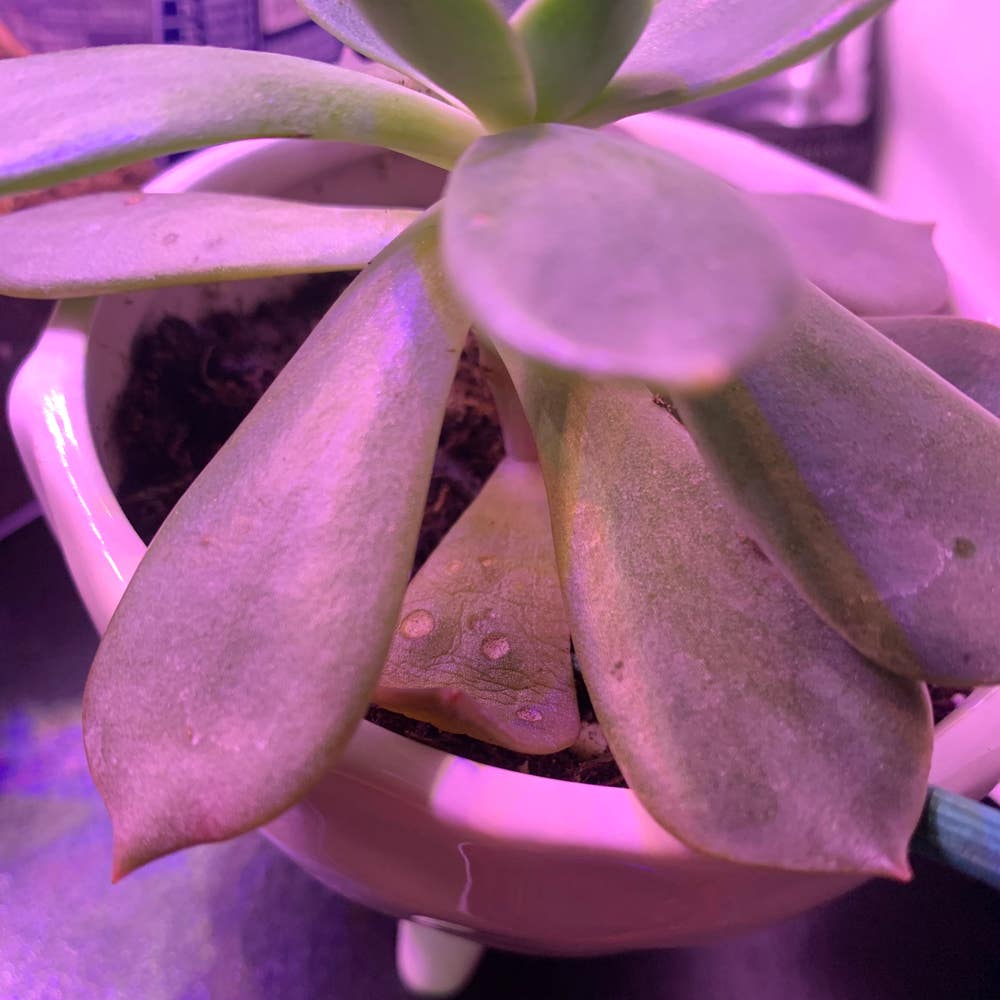
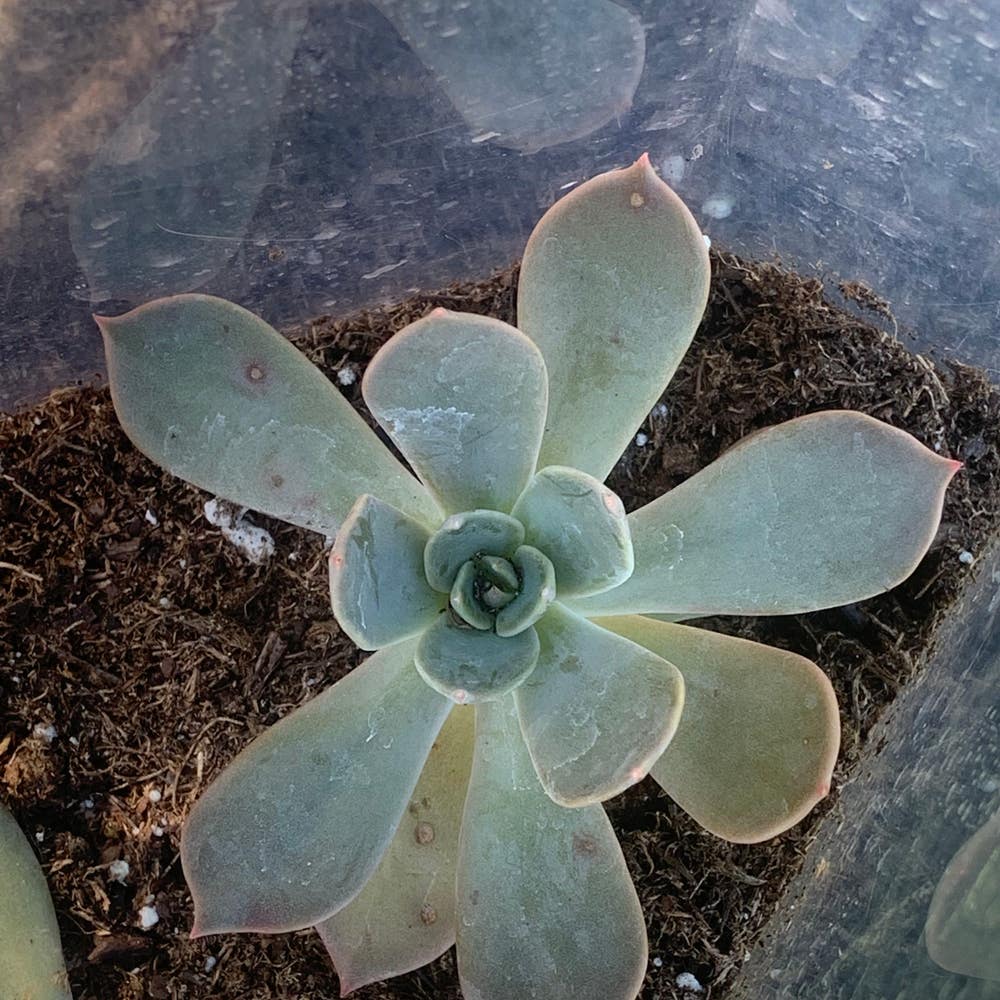
Incorporating different Echeveria species can enhance your garden's aesthetic. These varieties share similar growth habits and care needs, requiring the same light and watering conditions.
They also boast resistance to common succulent pests, ensuring a healthy garden. The harmonious color palettes of various Echeveria species create a cohesive and visually appealing arrangement.
🌵 Agave Species
Agave species bring a bold architectural presence to your garden. These larger succulents prefer well-draining soil and minimal watering, aligning perfectly with Echeveria's needs.
Their tough leaves can deter certain pests, adding an extra layer of protection. The striking shapes and textures of Agave create a dynamic display that elevates the overall garden design.
🌿 Aloe Vera
Aloe Vera is not just a popular succulent for its medicinal properties; it also makes a great companion for Echeveria. This plant thrives in similar light and soil conditions, ensuring compatibility.
Its natural pest-repelling qualities, particularly against aphids, make it a smart choice. Plus, the attractive rosette shape and vibrant green color of Aloe Vera enhance the visual appeal of your succulent arrangement.
🌾 Ground Cover Plants
Ground cover plants are excellent for filling in spaces beneath Echeveria. These low-growing plants spread to cover soil, thriving in full sun and requiring minimal water.
They can repel certain insects while attracting beneficial pollinators, contributing to a balanced ecosystem. The lush green carpet effect they create adds depth and beauty to your garden.
Incorporating these companion plants can significantly enhance the health and aesthetics of your Echeveria arrangements. Next, we’ll explore which plants to avoid to ensure your Echeveria thrives.
Plants to Avoid Near Prolific Echeveria
💧 High Moisture Plants
High moisture plants thrive in consistently damp soil. This can be a disaster for Echeveria, as it significantly increases the risk of root rot due to overwatering.
- Examples: Ferns and certain types of hostas are prime offenders. Their moisture-loving nature can create an unhealthy environment for your Echeveria.
🌱 Aggressive Root Systems
Plants with aggressive root systems can be a real challenge. They compete fiercely for nutrients, often outpacing Echeveria in the race for resources.
- Examples: Mint and bamboo are notorious for their extensive root networks. Planting these near Echeveria can lead to nutrient deficiencies and stunted growth.
☀️ Plants with Different Light Requirements
Choosing plants with varying light needs can spell trouble for your Echeveria. Species that require full sun or complete shade can hinder the light exposure essential for Echeveria's health.
- Examples: Shade-loving plants like ferns or hostas can block sunlight. This can lead to inadequate light for your Echeveria, affecting its overall vitality.
Avoiding these plants will help ensure your Echeveria thrives. By selecting compatible companions, you create a harmonious environment that promotes growth and beauty. Next, let’s explore how companion planting can effectively manage pests in your garden.
Pest Management through Companion Planting
🌱 How Companion Plants Can Deter Pests
Companion plants can be your garden's best defense against pests. They work through various mechanisms, such as releasing scents that repel unwanted insects or creating physical barriers that make it harder for pests to access your Echeveria.
Choosing the right companions is crucial for effective pest management. Not all plants deter the same pests, so it's essential to understand which companions will best protect your Echeveria.
🌼 Examples of Pest-Repelling Companion Plants
Several plants are known for their pest-repelling properties. For instance, marigolds are famous for deterring aphids, while garlic can keep a range of pests at bay.
Integrating these plants into your Echeveria arrangements not only enhances pest control but also adds visual interest. Consider planting marigolds or garlic nearby to create a thriving, pest-resistant garden.
🌍 Role of Companion Planting in Integrated Pest Management
Integrated Pest Management (IPM) is a holistic approach to pest control that combines various strategies. Companion planting is a key component of IPM, as it promotes biodiversity and natural pest deterrence.
By incorporating companion plants, you can create a balanced ecosystem that minimizes the need for chemical interventions. This approach not only protects your Echeveria but also fosters a healthier garden environment overall.
With the right companions, your Echeveria can flourish while staying safe from pests. Next, let’s explore how to create visually appealing arrangements that enhance your garden's aesthetic.
Visual Appeal and Aesthetic Considerations
🌼 Creating Visually Appealing Arrangements
Arranging Echeveria with companion plants can transform your garden into a stunning visual masterpiece. Focus on varying heights to create depth; taller plants can serve as a backdrop, while shorter ones frame the Echeveria beautifully.
Color and texture play crucial roles in design. Pair Echeveria’s rosettes with companions that offer contrasting shapes and hues for a dynamic look. For instance, the smooth leaves of Aloe Vera can complement the fleshy, rounded forms of Echeveria.
🎨 Color and Texture Combinations
When selecting companion plants, consider complementary color schemes. Soft pastels can enhance the vibrant greens of Echeveria, while bold colors can create striking focal points.
Textural contrasts are equally important. Mix the smooth, glossy leaves of succulents with the rougher textures of ground covers to add visual interest. This interplay keeps the arrangement lively and engaging.
🍂 Seasonal Considerations for Visual Impact
Planning for seasonal changes can elevate your garden's appeal throughout the year. Choose companions that bloom at different times to ensure a continuous display of color and texture.
This strategy not only enhances visual interest but also supports pollinators. By selecting a variety of plants, you can create a garden that evolves with the seasons, providing beauty and life all year long.
As you consider these aesthetic elements, remember that the right companions can elevate your Echeveria arrangements, making them not just plants, but vibrant expressions of nature.
⚠️ Safety First
This content is for general information and may contain errors, omissions, or outdated details. It is not medical, veterinary advice, or an endorsement of therapeutic claims.
Always consult a qualified healthcare professional before using any plant as food, medicine, or supplement.
Never eat any plant (or feed one to pets) without confirming its identity with at least two trusted sources.
If you suspect poisoning, call Poison Control (800) 222-1222, the Pet Poison Helpline (800) 213-6680, or your local emergency service immediately.
Spotted an error? Please report it here.
Create a thriving garden oasis 🌿 by pairing your Echeveria with the perfect companions, and let Greg guide you with tailored care tips to keep them all flourishing together!