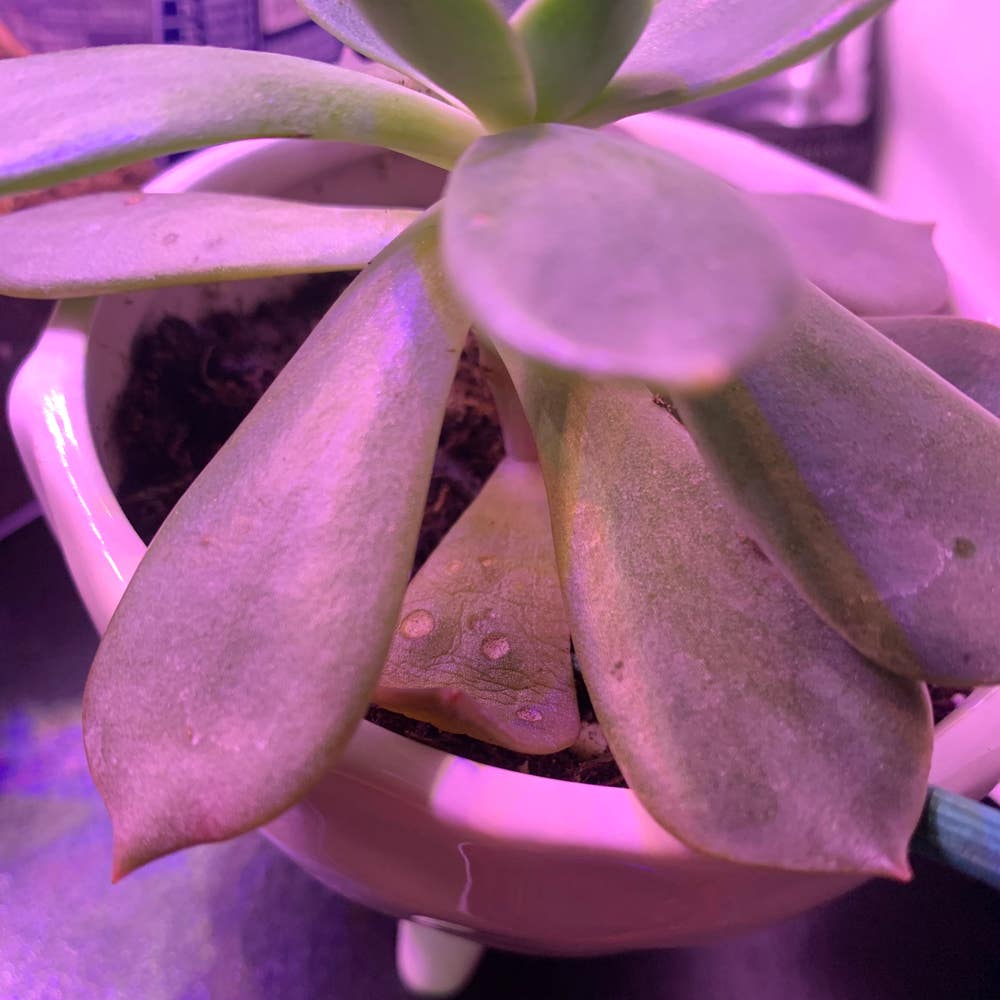
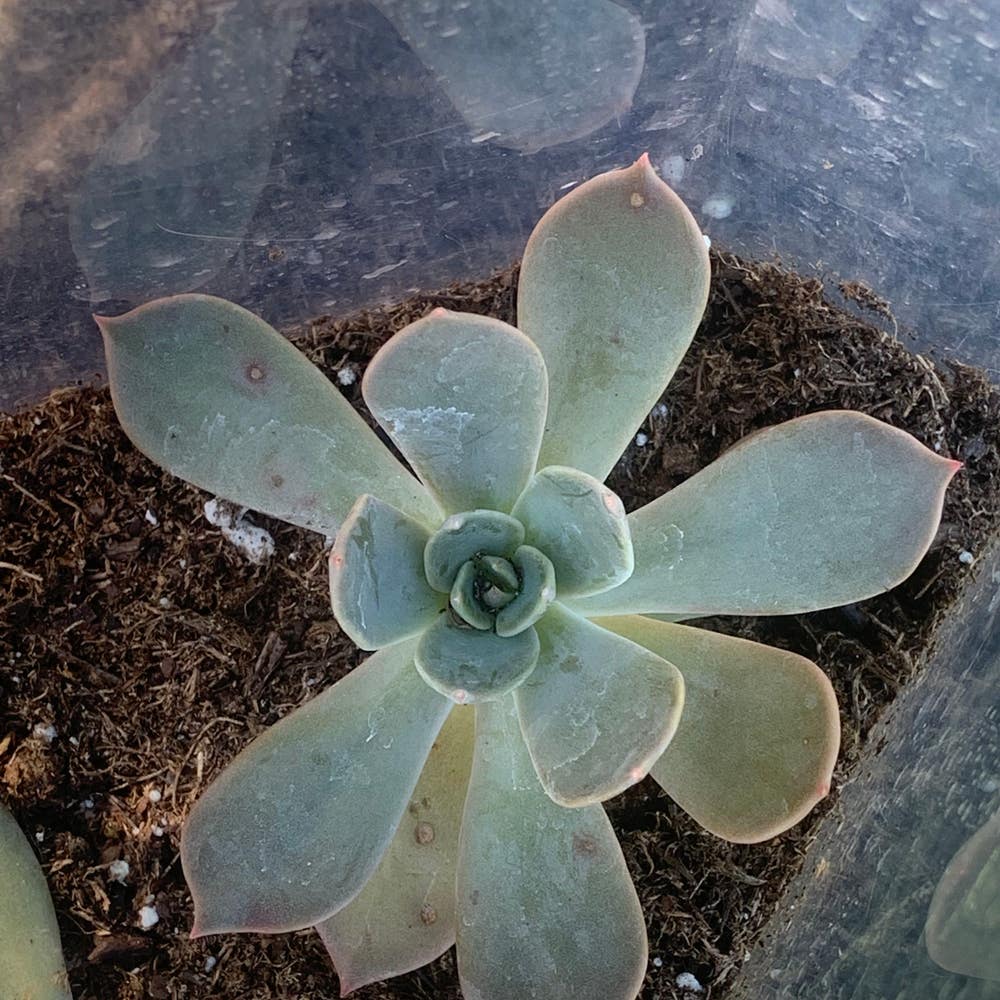
Understanding Why Your Prolific Echeveria Has Yellow Leaves 🍂
Echeveria prolifica
By the Greg Editorial Team
Sep 30, 2024•3 min read
This article was created with the help of AI so we can cover more plants for you. May contain errors. See one? Report it here.
Restore your Echeveria's vibrant leaves 🌿 by mastering the causes of yellowing and their quick fixes!
- 💧 Overwatering and underwatering both cause yellow leaves in Echeveria. Balance is key!
- 🐛 Pests like aphids can damage leaves, leading to yellowing. Inspect regularly!
- 🌡️ Extreme temperatures stress Echeveria, causing yellow leaves. Maintain optimal conditions!
Common Causes of Yellow Leaves
💧 Overwatering
Overwatering is a common culprit behind yellow leaves in Echeveria. Excess moisture can lead to root rot, which suffocates the roots and prevents them from absorbing nutrients effectively.
🚰 Underwatering
On the flip side, underwatering can also cause yellowing. Insufficient moisture stresses the plant, leading to a decline in overall health and vitality.
🐞 Pest Infestations
Pest infestations can wreak havoc on your Echeveria. Common pests like aphids and mealybugs damage the leaves, resulting in yellowing and a weakened plant.
🍽️ Nutrient Deficiencies
A lack of essential nutrients can significantly affect your plant's health. Nutrient deficiencies, particularly nitrogen, can lead to yellow leaves and stunted growth.
🌡️ Temperature Stress
Extreme temperatures can also cause your Echeveria to develop yellow leaves. Both excessive heat and cold can stress the plant, leading to discoloration and potential damage.
Understanding these common causes is the first step toward restoring your Echeveria's vibrant health. Next, we'll explore how to identify the specific cause of yellowing leaves.
How to Identify the Specific Cause of Yellowing
👀 Visual Inspection
Start by examining the leaves closely. Look for changes in texture and color, as these can provide clues about your Echeveria's health.
💧 Soil Moisture Test
Next, check the soil moisture. Stick your finger into the soil; if it feels dry several inches down, it might be time to water. Conversely, if it’s soggy, you may be overwatering.
🐛 Pest Examination
Inspect for pests, which can be tricky but essential. Look for tiny bugs or webbing on the leaves, as these are signs of infestation that can lead to yellowing.
🌡️ Environmental Factors
Finally, evaluate the environmental conditions. Ensure your plant is getting the right amount of light and is in a suitable temperature range to thrive.
Identifying the specific cause of yellowing leaves is crucial for effective treatment. Once you pinpoint the issue, you can take the necessary steps to restore your Echeveria to its vibrant self.
Treatment Options for Yellow Leaves
Adjusting Watering Practices 🌊
Overwatering is a common culprit behind yellow leaves in Echeveria. To combat this, allow the soil to dry out completely between waterings, ensuring your plant gets the right moisture balance.
Pest Management Strategies 🐛
If pests are the issue, act quickly. Using neem oil or insecticidal soap can effectively manage infestations and protect your plant's health.
Nutrient Management 🌱
Nutrient deficiencies can also lead to yellowing leaves. Apply balanced fertilizers regularly and keep an eye out for any signs of nutrient imbalance.
Temperature Control 🌡️
Temperature plays a significant role in your Echeveria's well-being. Maintain optimal temperature ranges to prevent stress and promote vibrant, healthy leaves.
By addressing these treatment options, you can restore your Echeveria's health and keep those yellow leaves at bay. Next, let’s explore how to identify the specific cause of yellowing in your plant.
⚠️ Safety First
This content is for general information and may contain errors, omissions, or outdated details. It is not medical, veterinary advice, or an endorsement of therapeutic claims.
Always consult a qualified healthcare professional before using any plant as food, medicine, or supplement.
Never eat any plant (or feed one to pets) without confirming its identity with at least two trusted sources.
If you suspect poisoning, call Poison Control (800) 222-1222, the Pet Poison Helpline (800) 213-6680, or your local emergency service immediately.
Spotted an error? Please report it here.
Keep your Echeveria vibrant and healthy 🌱 by using Greg's tailored care tips and reminders to tackle yellow leaves before they become a problem!