How to Cure Droopy Leaves on Your Echeveria 😢
Echeveria prolifica
By the Greg Editorial Team
Sep 30, 2024•5 min read
This article was created with the help of AI so we can cover more plants for you. May contain errors. See one? Report it here.
Transform your droopy Echeveria into a thriving beauty with these essential care tips! 🌿
- 🌱 Droopy leaves indicate stress; check color, shape, and stem health for clues.
- 💧 Use the finger test for soil moisture; adjust watering to prevent droopiness.
- ☀️ Provide 6-8 hours of bright light daily to keep Echeveria healthy and vibrant.
Diagnosing Droopy Leaves
👀 Visual Inspection: What to Look For
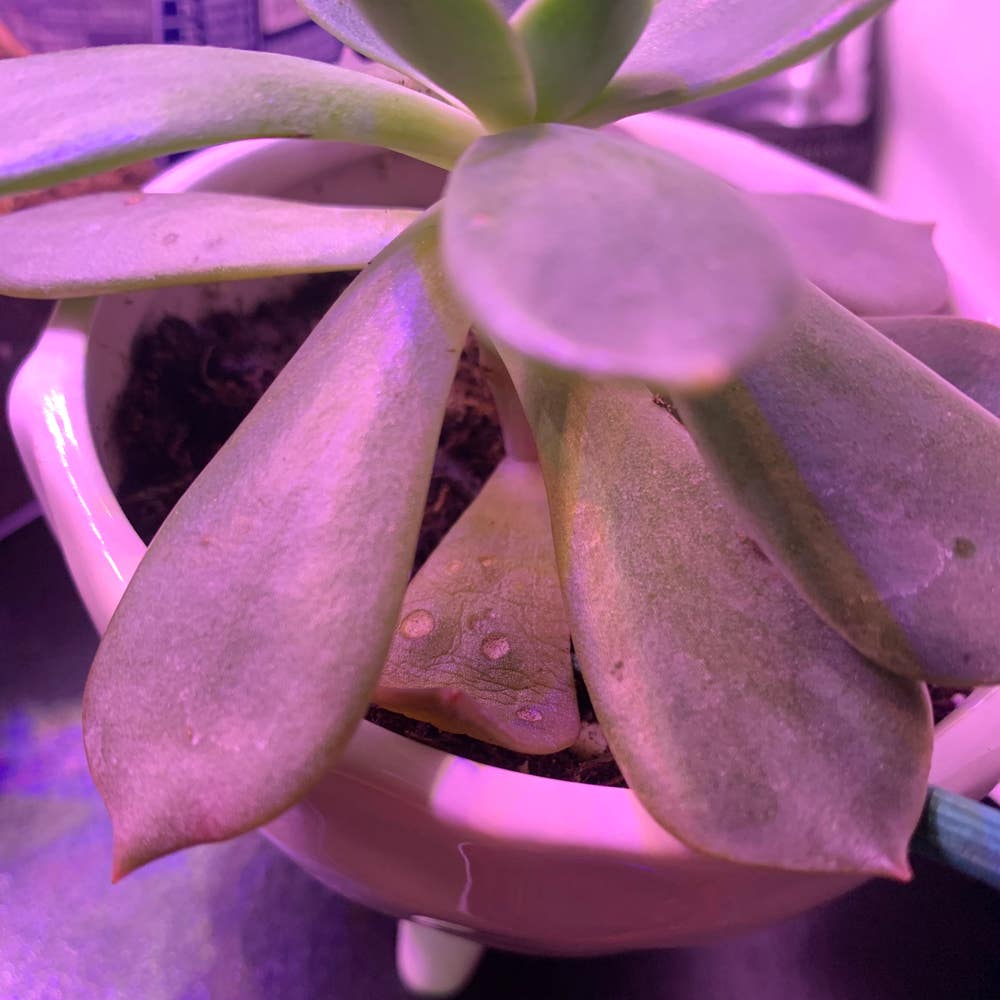
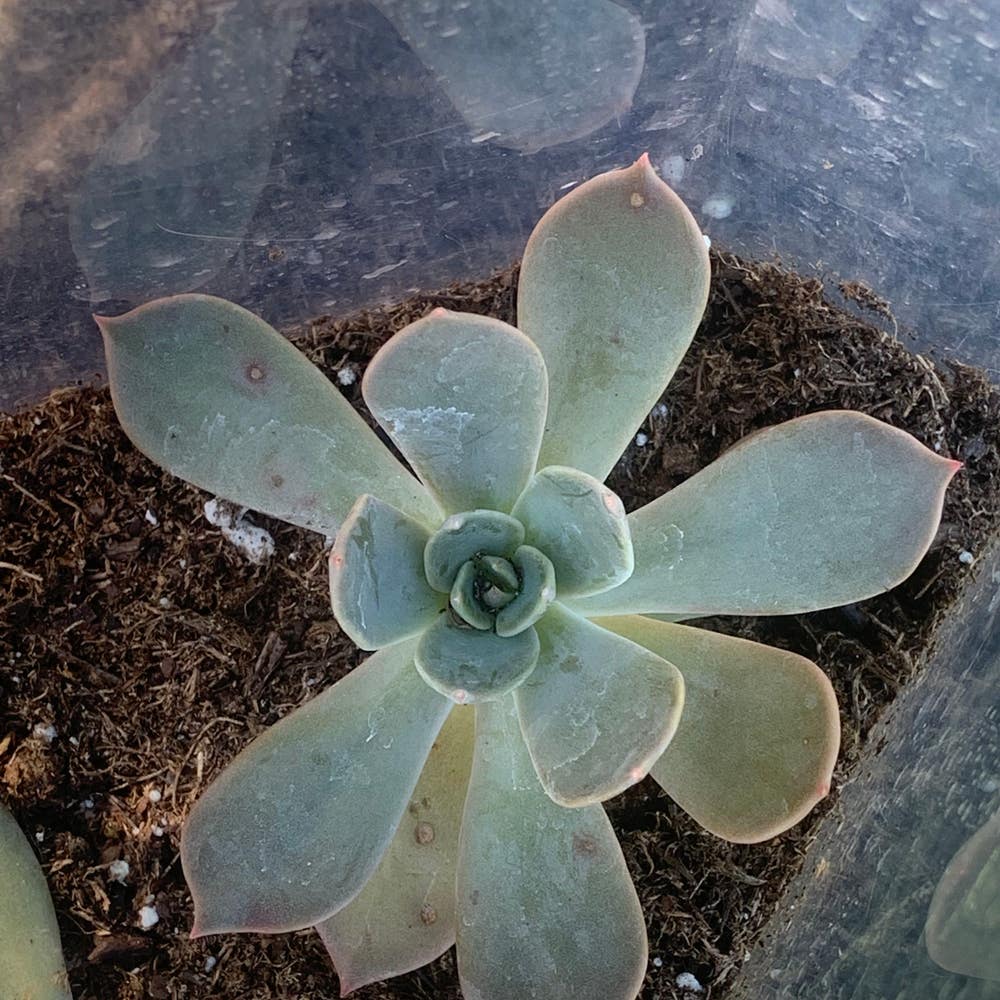
When diagnosing droopy leaves on your Echeveria, start with a visual inspection. Look closely at the leaf condition; healthy leaves should be a vibrant green, while yellowing or browning indicates stress.
Next, assess the shape of the leaves. Plump and firm leaves signal good health, whereas droopy and limp leaves suggest a problem.
Now, shift your focus to the stem health. A firm stem is a sign of vitality, while softness or mushiness can indicate rot. Also, check the stem color; healthy green is ideal, but dark or blackened areas are red flags.
🌱 Soil Check: Assessing Moisture Levels
Soil moisture is crucial for your Echeveria's health. Use the finger test: insert your finger into the soil up to 2 inches. If it feels dry and crumbly, it’s time to water; if it’s wet and compacted, you may be overwatering.
Next, evaluate the soil type. A well-draining mix is essential for succulents. Consider using cactus or succulent soil, and think about adding perlite or sand to improve drainage. This will help prevent root rot and keep your plant thriving.
Treating Droopy Leaves
🌊 Adjusting Watering Schedule: Best Practices
Establishing a consistent watering routine is crucial for your Echeveria's health. Aim to water every 1-2 weeks, adjusting based on environmental conditions.
In summer, you may need to increase frequency due to higher evaporation rates. Conversely, reduce watering in winter when the plant's growth slows.
💧 Watering Techniques
Deep watering is essential to ensure moisture reaches the root zone. Always allow for proper drainage; never let your plant sit in water, as this can lead to root rot.
🌱 Soil Amendments: Choosing the Right Mix
Using the right soil mix can make a significant difference. A cactus mix is ideal as it provides excellent drainage, which is vital for Echeveria.
For a custom mix, combine potting soil with perlite and sand to enhance drainage. If you notice signs of root-bound conditions, it may be time to repot.
🪴 Repotting Guidelines
When repotting, look for signs like roots growing out of the drainage holes. Always choose pots with drainage holes to prevent water accumulation.
🐞 Pest Control: Natural and Chemical Solutions
Pests can be a real headache for your Echeveria. Start with natural pest control methods like handpicking pests off the leaves.
Companion planting can also help; some plants naturally deter pests. If the infestation is severe, consider chemical solutions like insecticidal soap, which is safe for Echeveria.
For extreme cases, systemic treatments may be necessary. Always monitor your plant closely to catch any issues early.
🔮 Transition to Future Care
With the right watering schedule, soil amendments, and pest control measures, your Echeveria will thrive. Next, let’s explore how to prevent future issues by creating ideal growing conditions.
Preventing Future Issues
Ideal Growing Conditions: Light, Temperature, and Humidity 🌞
To keep your Echeveria thriving, it’s crucial to provide the right light. Aim for 6-8 hours of bright, indirect sunlight daily.
If you notice your plant stretching or becoming leggy, it’s a sign it’s not getting enough light.
Temperature and humidity also play a vital role in your plant's health. Echeveria prefers stable conditions, so avoid drastic temperature changes.
Using a thermometer and hygrometer can help you monitor these factors effectively.
Regular Maintenance: Pruning and Soil Checks ✂️
Regular maintenance is key to a healthy Echeveria. Start by removing dead or damaged leaves, which encourages new growth.
The best time for pruning is in spring or early summer when the plant is actively growing.
Don’t forget about soil checks! Aim for an annual soil replacement to refresh nutrients and improve drainage.
This simple step can make a significant difference in your plant's overall health.
By ensuring ideal growing conditions and committing to regular maintenance, you can prevent future issues and keep your Echeveria looking its best.
Next, let’s explore how to revive a droopy Echeveria effectively.
Reviving a Droopy Echeveria
Step-by-Step Recovery Process 🌱
Assess the situation: Start by determining if your Echeveria is suffering from overwatering or underwatering. This initial step is crucial for effective treatment.
Adjust watering: Once you've identified the issue, implement a suitable watering schedule. Aim for every 1-2 weeks, adjusting based on seasonal needs.
Check soil: Ensure your soil is well-draining. If it feels compacted or retains too much moisture, consider amending it with perlite or sand.
Monitor for pests: Keep an eye out for any pests. If you spot any, treat infestations immediately to prevent further damage.
Signs of Improvement: What to Expect 🌟
Leaf firmness: After treatment, your Echeveria's leaves should start feeling plump and firm again. This is a good sign that recovery is underway.
New growth: Look for the emergence of new leaves or rosettes. This indicates that your plant is thriving once more.
Color restoration: Expect a return to vibrant green hues. Healthy color is a clear indicator of your plant's revival.
Long-term Care Tips for Healthy Growth 🌿
Consistent monitoring: Regularly check moisture levels and inspect for pests. This proactive approach helps catch issues early.
Adapting care: Be ready to adjust your care practices based on seasonal changes. Echeverias have different needs throughout the year.
Educating on Echeveria needs: Take time to understand the specific requirements of your Echeveria. Knowledge is key to ensuring optimal health and growth.
Reviving a droopy Echeveria is a rewarding journey. With the right steps and ongoing care, your plant can flourish beautifully. Next, let’s explore how to prevent future issues to keep your Echeveria thriving.
⚠️ Safety First
This content is for general information and may contain errors, omissions, or outdated details. It is not medical, veterinary advice, or an endorsement of therapeutic claims.
Always consult a qualified healthcare professional before using any plant as food, medicine, or supplement.
Never eat any plant (or feed one to pets) without confirming its identity with at least two trusted sources.
If you suspect poisoning, call Poison Control (800) 222-1222, the Pet Poison Helpline (800) 213-6680, or your local emergency service immediately.
Spotted an error? Please report it here.
Revive your droopy Echeveria and keep it thriving 🌱 with Greg's tailored watering reminders and expert care tips that ensure your plant stays vibrant and healthy!