☀️ Ultimate Guide to Light Requirements for Echeveria
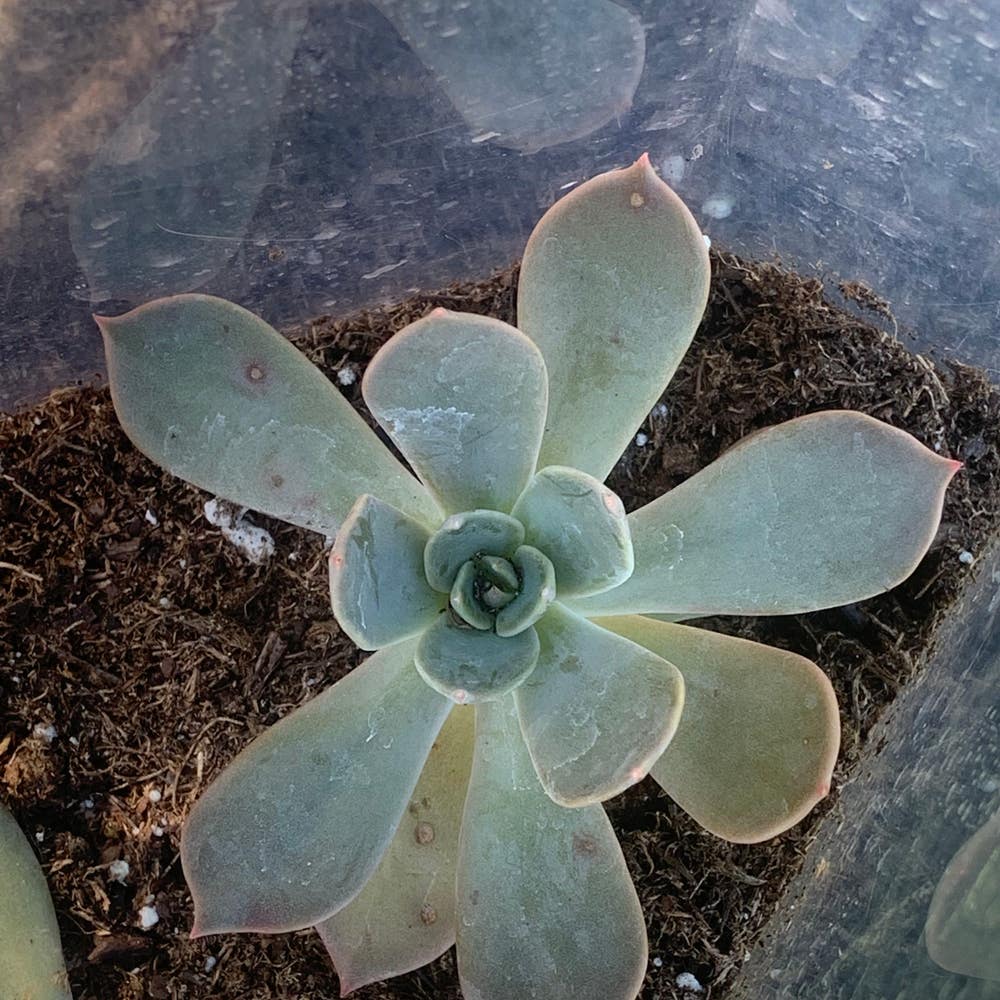
Echeveria prolifica
By the Greg Editorial Team
Sep 30, 2024•4 min read
This article was created with the help of AI so we can cover more plants for you. May contain errors. See one? Report it here.
Master Echeveria's light needs 🌞 to unlock vibrant blooms and lush growth in your home garden!
- 🌞 Echeveria thrives in bright indirect light, ideally near south or west windows.
- 💡 Indoor Echeveria needs 12-14 hours of light daily for optimal growth.
- 🌿 Filtered sunlight or partial shade is best for outdoor Echeveria, requiring 6-8 hours.
Ideal Light Conditions for Prolific Echeveria
Indoor Lighting Requirements 🌞
Echeveria thrives in bright indirect light, which is crucial for maintaining its vibrant color and compact shape. Position your plants near south or west-facing windows to maximize their exposure.
Aim for 12-14 hours of light exposure daily. This duration helps your Echeveria flourish, ensuring it gets the energy it needs to grow strong and healthy.
Outdoor Sunlight Requirements ☀️
When it comes to outdoor conditions, Echeveria can handle full sun exposure but prefers bright indirect light. For optimal growth, place them in areas with filtered sunlight or partial shade during peak hours.
They need about 6-8 hours of sunlight daily. This balance allows them to soak up the rays without risking sunburn, keeping those leaves looking lush and vibrant.
By understanding these light requirements, you can create the perfect environment for your Echeveria to thrive. Next, let’s explore how to measure light intensity and adjust exposure for your plants.
Light Intensity and Duration
📏 Measuring Light Intensity
To keep your Echeveria thriving, understanding light intensity is crucial. The ideal lux levels for these plants range from 10,000 to 20,000 lux, ensuring they receive the brightness they need.
Using a light meter can help you assess the light intensity in various locations. This tool is invaluable for finding the perfect spot for your Echeveria, whether indoors or outdoors.
⏳ Duration of Light Exposure
Daily light exposure is another key factor. Indoor Echeveria should bask in 12-14 hours of light, while outdoor varieties thrive with 6-8 hours of sunlight each day.
As seasons change, so should your light exposure. During the shorter days of winter, consider increasing the light duration to keep your plants healthy and vibrant.
With the right light intensity and duration, your Echeveria will flourish beautifully. Next, let’s explore the signs that indicate whether your plants are getting too much or too little light.
Signs of Insufficient or Excessive Light
🌑 Symptoms of Insufficient Light
When your Echeveria isn't getting enough light, it will show some telltale signs. Etiolation is one of the most common symptoms, where you'll notice stretched stems and sparse leaves, making your plant look leggy and weak.
Another sign is color fading. If the vibrant hues of your Echeveria start to dull, it's a clear indication that it's not receiving adequate light.
☀️ Symptoms of Excessive Light
On the flip side, too much light can be just as harmful. Leaf burn is a primary symptom, characterized by brown or crispy edges on the leaves. This can make your plant look unhealthy and stressed.
You might also observe wilting. If the leaves become limp and droop, it's a sign that your Echeveria is overwhelmed by the intensity of the light.
Recognizing these symptoms early can help you adjust your plant's light exposure, ensuring it thrives in its environment. With the right balance, your Echeveria can flourish beautifully.
Echeveria Flowering and Light
🌞 Role of Light in Flowering
Adequate light is crucial for Echeveria to bloom. Without enough light, these stunning succulents may struggle to produce flowers, leaving you missing out on their vibrant displays.
🌸 Seasonal Flowering
Echeveria typically flowers in spring or summer when light conditions are optimal. During these seasons, ensure your plants receive the right amount of light to encourage those beautiful blooms.
By understanding the relationship between light and flowering, you can create the perfect environment for your Echeveria to thrive. Next, let’s explore how to use grow lights effectively for indoor Echeveria.
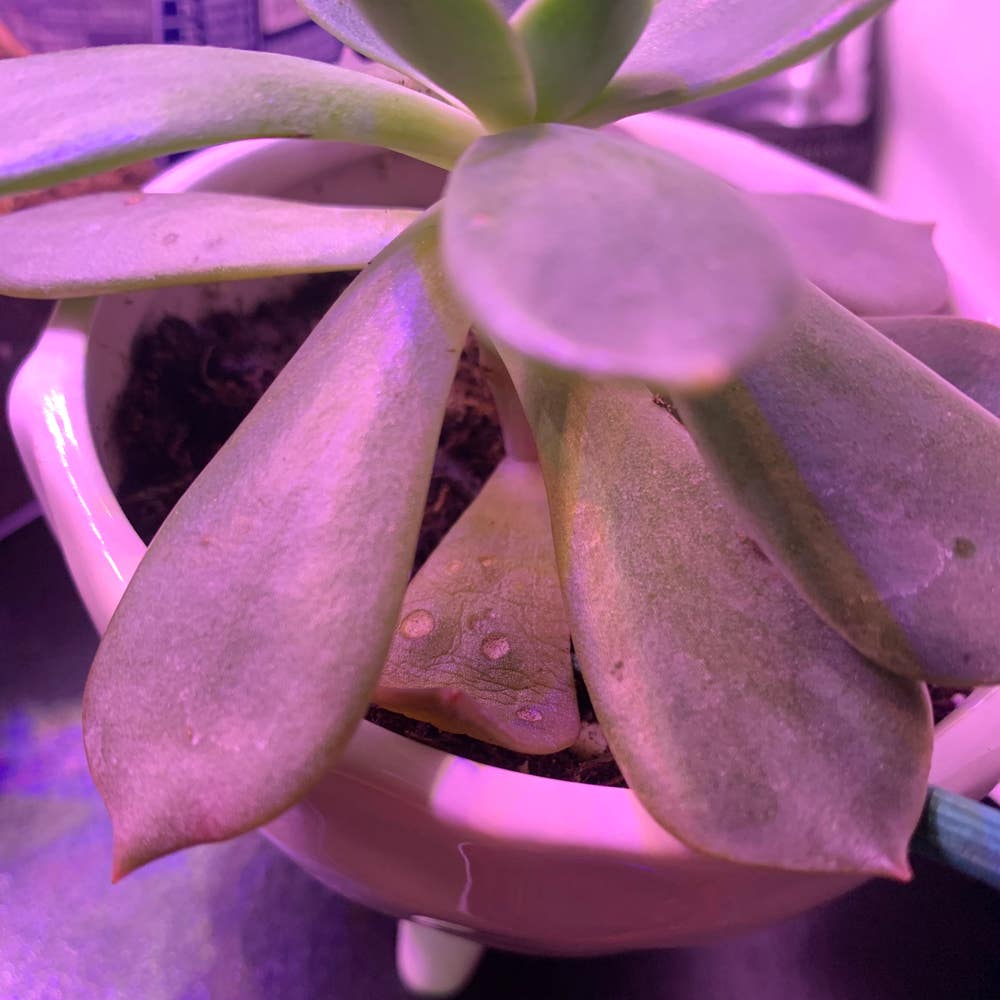
Using Grow Lights for Indoor Echeveria
🌟 Benefits of Grow Lights
Grow lights are a game-changer for indoor Echeveria. They provide consistent light exposure, especially during those shorter winter days when natural sunlight is scarce.
With grow lights, you can control the light conditions. This means you can tailor the intensity and duration to meet your plants' specific needs.
💡 Types of Grow Lights Suitable for Echeveria
When it comes to choosing grow lights, LED options are a top pick. They are energy-efficient and have a long lifespan, making them a smart investment for plant lovers.
Fluorescent lights are another great choice. They offer bright, indirect light, which is perfect for nurturing your Echeveria without overwhelming them.
📏 Placement and Duration of Grow Light Exposure
For optimal coverage, place your grow light 6-12 inches above the plant. This distance ensures your Echeveria receives the right amount of light without getting scorched.
Aim for a duration of 12-14 hours of light exposure daily. This mimics natural sunlight conditions and keeps your plants thriving.
With the right grow lights and setup, your indoor Echeveria can flourish beautifully, even in less-than-ideal lighting conditions. Next, let’s explore how light affects Echeveria flowering.
⚠️ Safety First
This content is for general information and may contain errors, omissions, or outdated details. It is not medical, veterinary advice, or an endorsement of therapeutic claims.
Always consult a qualified healthcare professional before using any plant as food, medicine, or supplement.
Never eat any plant (or feed one to pets) without confirming its identity with at least two trusted sources.
If you suspect poisoning, call Poison Control (800) 222-1222, the Pet Poison Helpline (800) 213-6680, or your local emergency service immediately.
Spotted an error? Please report it here.
Give your Echeveria the light it craves 🌞 with Greg's tailored reminders and tips, ensuring vibrant growth and stunning blooms all year round!