🍂 Best Tips for Dropping Leaves on Prolific Echeveria
Echeveria prolifica
By the Greg Editorial Team
Sep 30, 2024•4 min read
This article was created with the help of AI so we can cover more plants for you. May contain errors. See one? Report it here.
Ensure your Echeveria thrives 🌱 with simple tips for watering and pest control to keep those leaves vibrant!
- 💧 Overwatering causes leaf drop; check soil moisture before watering.
- 🌱 Underwatering leads to wrinkled leaves; establish a consistent watering routine.
- 🐛 Pests like mealybugs can damage leaves; monitor and treat promptly.
Common Causes of Leaf Drop
💧 Overwatering: Symptoms and Solutions
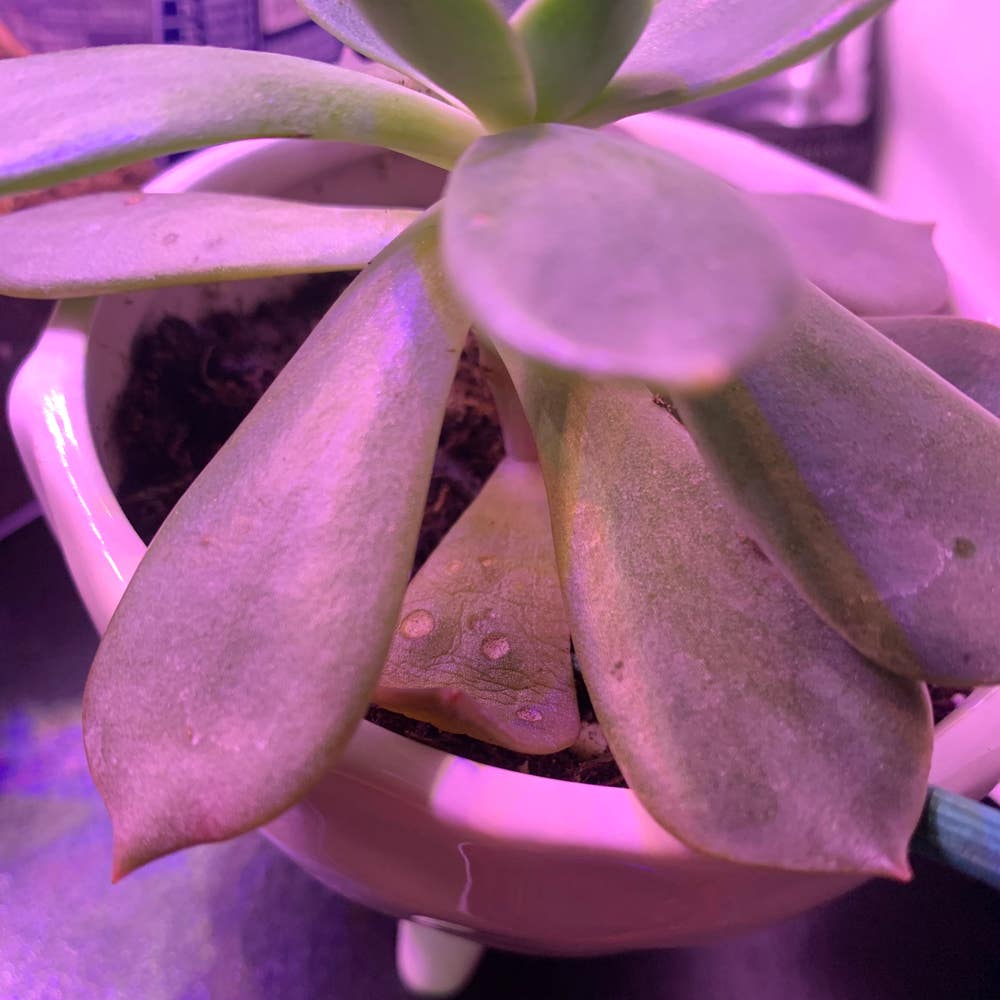
Overwatering is a common issue for Echeveria enthusiasts. Symptoms include yellowing leaves, a mushy texture, and even root rot.
To tackle overwatering, start by checking the soil moisture. Use a moisture meter or simply stick your finger into the soil to gauge its dampness.
Next, adjust your watering schedule. Water your Echeveria only when the soil is completely dry to the touch.
If the problem persists, consider repotting your plant. Use fresh, well-draining soil to give your Echeveria a fighting chance.
🚰 Underwatering: Symptoms and Solutions
Underwatering can be just as detrimental. Look for signs like wrinkled leaves, dry edges, and, ultimately, leaf drop.
To remedy this, water your Echeveria thoroughly. Make sure the water reaches the root zone for optimal hydration.
Establish a routine for watering, ideally every 1-2 weeks, depending on your plant's environment.
Lastly, monitor environmental factors like humidity and temperature. Adjust your watering frequency accordingly to keep your Echeveria thriving.
Understanding these common causes of leaf drop will help you maintain a healthy Echeveria. Next, let’s explore the signs of stress in these beautiful plants.
Signs of Stress in Echeveria
Echeveria plants can show signs of stress in various ways. Recognizing these symptoms early can help you take action before serious damage occurs.
🍂 Leaf Discoloration
One of the first signs of stress is leaf discoloration. You might notice yellowing or browning leaves, which can indicate issues like overwatering or nutrient deficiencies.
🧊 Leaf Texture Changes
Another indicator is changes in leaf texture. If the leaves start to soften or shrivel, it’s a clear signal that your plant is not thriving.
📉 Growth Patterns
Pay attention to growth patterns as well. Stunted growth or a leggy appearance can suggest that your Echeveria is struggling to get the right conditions it needs to flourish.
By keeping an eye on these signs, you can make timely adjustments to your care routine. This proactive approach will help ensure your Echeveria remains healthy and vibrant.
Next, let’s explore common pests and diseases that can affect your Echeveria, and how to tackle them effectively.
Pests and Diseases
🐛 Common Pests Affecting Echeveria
Echeveria can fall victim to a few common pests that threaten their health.
Mealybugs
- Identification: Look for white, cotton-like masses on the leaves. These pests often hide in the leaf axils, making them tricky to spot.
- Treatment: Apply neem oil or insecticidal soap directly to the affected areas. This will help eliminate the pests without harming your plant.
Aphids
- Identification: These small, green or black insects tend to cluster on new growth. Their presence can stunt your plant's development.
- Treatment: Rinse the affected areas with water to dislodge them. If the infestation persists, use insecticidal soap for a more thorough approach.
🦠 Identifying and Treating Diseases
Echeveria can also suffer from various diseases that can lead to leaf drop if not addressed promptly.
Fungal Infections
- Symptoms: Look for black spots on leaves and signs of wilting. These can indicate a fungal issue that needs immediate attention.
- Treatment: Remove any affected leaves to prevent the spread of the fungus. Improving air circulation around the plant can also help mitigate future outbreaks.
Bacterial Infections
- Symptoms: Soft, mushy spots on leaves are a clear sign of bacterial infection. This can quickly lead to more severe damage.
- Treatment: Cut away the infected parts of the plant. Avoid overhead watering to reduce moisture on the leaves, which can exacerbate the problem.
By staying vigilant against pests and diseases, you can keep your Echeveria thriving. Regular checks and prompt action will ensure your succulent remains healthy and vibrant.
Next, let’s explore preventive care and maintenance strategies to further safeguard your Echeveria from leaf drop.
Preventive Care and Maintenance
Regular Care Routines to Prevent Leaf Drop 🌿
Establishing a consistent watering schedule is crucial for your Echeveria. Adjust your routine based on seasonal changes to ensure your plant thrives.
Water your Echeveria only when the soil is dry to the touch. This prevents overwatering, which can lead to root rot and leaf drop.
Fertilization for Healthy Growth 🌱
During the growing season, typically spring and summer, use a balanced succulent fertilizer. This provides essential nutrients that support robust growth and prevent stress.
Fertilizing regularly helps your Echeveria maintain vibrant leaves and strong roots. A little care goes a long way in keeping your plant healthy.
Additional Tips for Success 🌟
Monitor environmental factors like humidity and temperature. These can affect your watering frequency and overall plant health.
Regularly check for signs of stress, such as discoloration or changes in leaf texture. Early detection can save your Echeveria from potential issues.
By following these preventive care routines, you can enjoy a flourishing Echeveria. Next, let’s explore the signs of stress in your plant and how to address them effectively.
⚠️ Safety First
This content is for general information and may contain errors, omissions, or outdated details. It is not medical, veterinary advice, or an endorsement of therapeutic claims.
Always consult a qualified healthcare professional before using any plant as food, medicine, or supplement.
Never eat any plant (or feed one to pets) without confirming its identity with at least two trusted sources.
If you suspect poisoning, call Poison Control (800) 222-1222, the Pet Poison Helpline (800) 213-6680, or your local emergency service immediately.
Spotted an error? Please report it here.
Keep your Echeveria thriving 🌿 by using Greg's tailored watering reminders and pest alerts to prevent leaf drop and ensure vibrant growth!