🌵 Lifespan of Prolific Echeveria
Echeveria prolifica
By the Greg Editorial Team
Sep 30, 2024•5 min read
This article was created with the help of AI so we can cover more plants for you. May contain errors. See one? Report it here.
Master Echeveria's growth stages 🌱 to cultivate a stunning garden and enjoy vibrant blooms year-round!
- 🌱 Echeveria seeds germinate in 7-14 days with optimal conditions for success.
- 🌞 Ideal temperatures for growth range from 20°C to 25°C (68°F to 77°F).
- 🌿 Proper care during stages enhances growth and flowering, taking 2-3 years to mature.
Germination Stage
🌱 Duration of Germination
Germination is a thrilling phase for any gardener, especially with Echeveria. Under optimal conditions, expect seeds to sprout within 7 to 14 days.
🌟 Conditions for Successful Germination
To kickstart this process, focus on three key factors:
Soil Requirements
A well-draining, sandy soil mix is essential. This prevents waterlogging, which can hinder seed development.
Temperature Range
Aim for a temperature between 20°C to 25°C (68°F to 77°F). This warm environment encourages faster germination.
Light Exposure
Provide indirect sunlight to avoid overheating. Too much direct light can stress the delicate seeds, slowing their growth.
By ensuring these conditions, you set the stage for a successful germination process. Once your seeds sprout, you'll be one step closer to nurturing your beautiful Echeveria plants!
Seedling Stage
Duration of Seedling Growth 🌱
The seedling stage of Echeveria lasts approximately 4 to 6 weeks. This period is crucial for establishing a strong foundation for future growth.
Characteristics of Seedlings 🌿
During this stage, seedlings are small, typically measuring 1-2 inches in diameter. Their fleshy leaves begin to develop, often showcasing slight color variations influenced by light exposure.
Root Establishment 🌍
A robust root system is vital for supporting the plant's future growth. As the seedlings mature, they focus on establishing roots that will anchor them and absorb nutrients effectively.
This stage sets the groundwork for the subsequent vegetative growth, where the Echeveria will truly begin to flourish. Understanding these early stages can help you nurture your plants for a vibrant future.
Vegetative Growth Stage
Duration of Vegetative Growth 🌱
The vegetative growth stage of Echeveria typically lasts between 6 months to 2 years. This duration largely hinges on the environmental conditions in which the plant is nurtured.
Changes in Appearance and Size 🌼
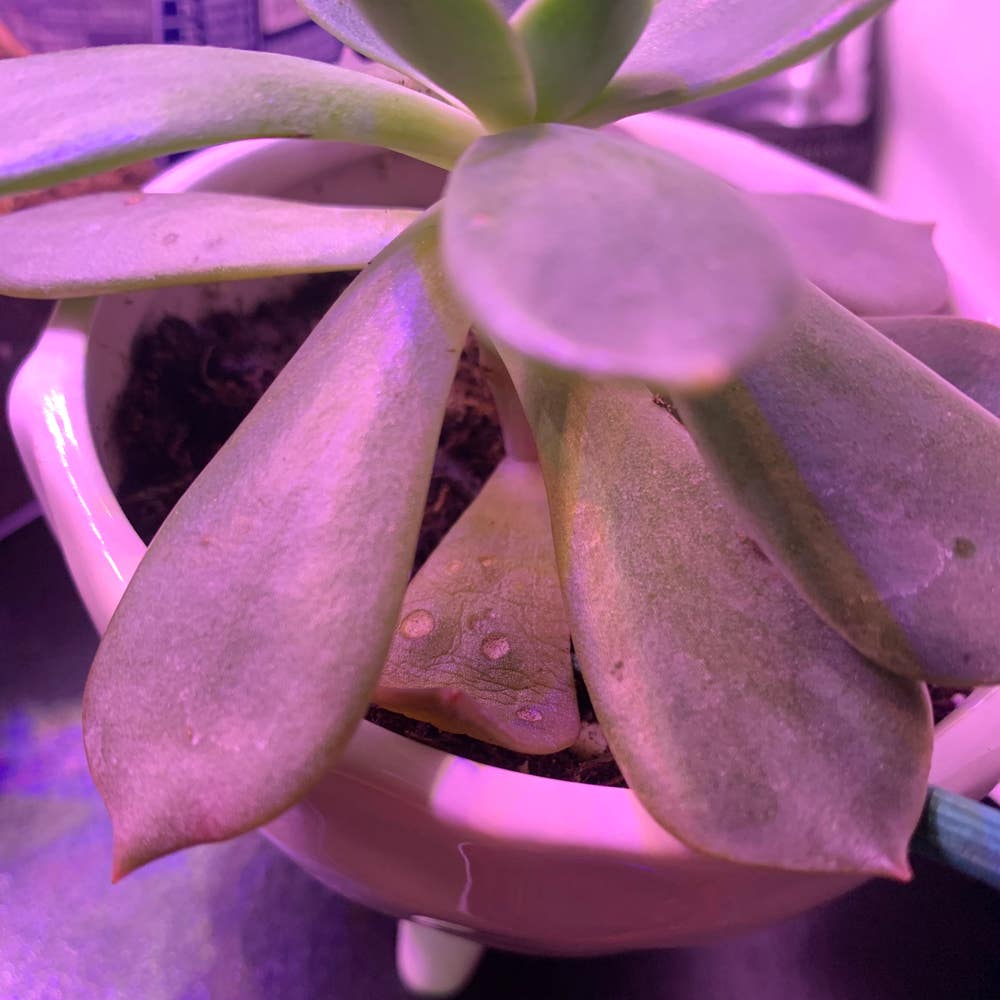
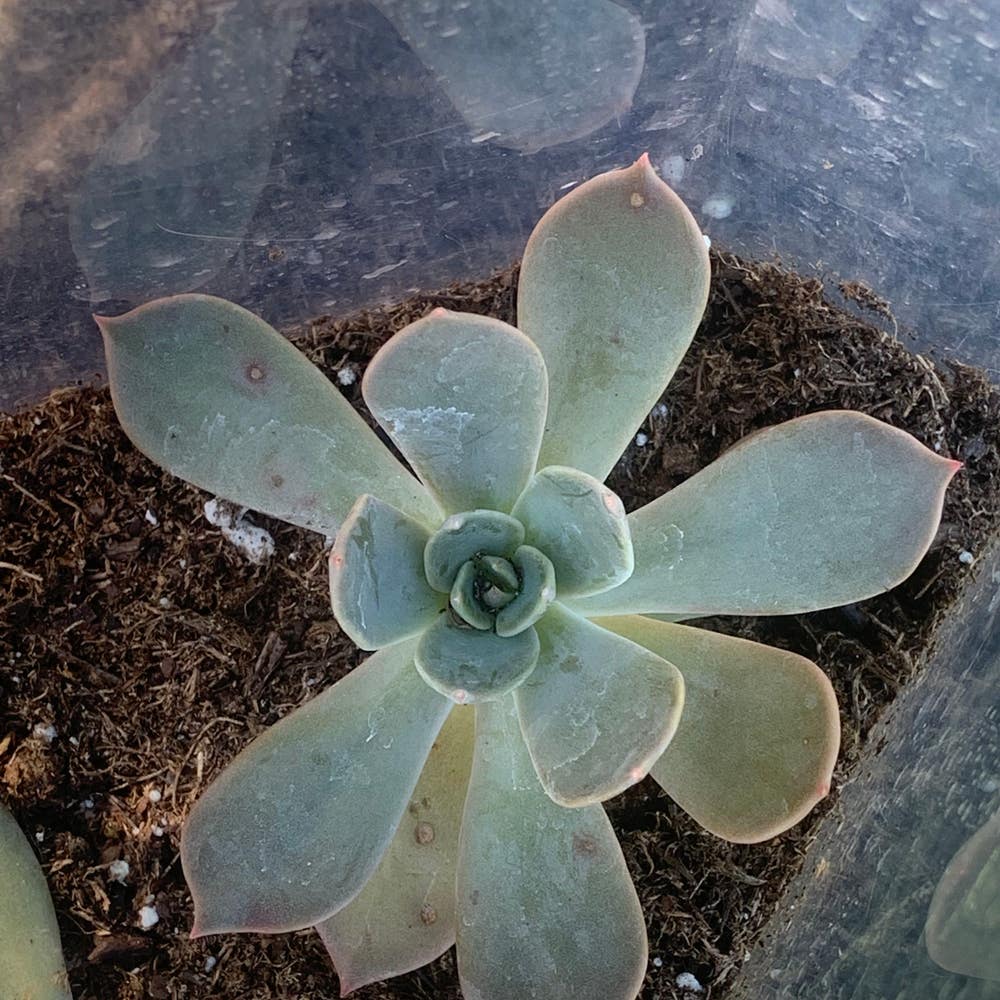
During this stage, the growth form of Echeveria becomes more pronounced, taking on a beautiful rosette shape.
- Size Increase: Expect your plant to grow impressively, reaching diameters of 6 to 12 inches.
- Color Changes: The leaves may shift in hue, influenced by factors like light exposure and watering frequency.
Production of Offsets (Pups) 🐾
One of the most exciting aspects of this stage is the production of offsets, or "pups." These new plants emerge from the base, showcasing the prolific nature of Echeveria and offering opportunities for propagation.
As your Echeveria flourishes, keep an eye on these changes. They not only signal healthy growth but also enhance the beauty of your plant collection.
Next, we’ll explore the flowering stage, where your Echeveria will showcase its vibrant blooms.
Flowering Stage
Duration of Flowering 🌸
Flowering in Echeveria typically occurs in late spring to early summer. This vibrant display lasts about 2 to 4 weeks, bringing a burst of color to your garden.
Description of Flowers and Pollination 🐝
The flowers are tubular and often showcase bright colors like red, orange, and yellow. These striking blooms attract bees and other pollinators, playing a crucial role in seed production.
Pollination is essential for the continuation of the species. Without these busy pollinators, the chances of seed formation diminish significantly.
Echeveria's flowering stage not only enhances its aesthetic appeal but also contributes to its prolific nature. Observing this process can be a rewarding experience for any plant enthusiast.
As the flowering phase wraps up, the focus shifts to seed production, where the magic of new life begins.
Seed Production Stage
Duration and Process of Seed Production 🌱
After the flowering stage, seed production kicks in, taking about 4 to 6 weeks. During this time, pollination plays a crucial role, leading to the formation of seed pods that house the future generation of Echeveria.
Viability of Seeds 🌟
When it comes to seed viability, Echeveria seeds generally score high marks. If harvested and stored correctly, they can remain viable for 1 to 2 years, giving you plenty of time to plan your next planting adventure.
Understanding these stages not only enhances your gardening skills but also deepens your appreciation for the life cycle of these stunning plants. Next, we’ll explore how to gauge the growth rate and maturation of your Echeveria, ensuring you know exactly when to expect those vibrant blooms.
Growth Rate and Maturation
🕒 Time to Full Maturity
Echeveria plants typically take about 2 to 3 years to reach full maturity. This timeframe allows them to develop their distinctive rosette shape and vibrant colors.
⚡️ Factors Affecting Growth Rate
Several factors can influence how quickly your Echeveria grows.
🌍 Environmental Conditions
- Light: Adequate sunlight is crucial. Too little light can stunt growth, while too much direct sun can scorch the leaves.
- Temperature: Echeveria thrives in warm temperatures, ideally between 20°C to 25°C (68°F to 77°F).
- Watering Frequency: Overwatering can lead to root rot, while underwatering can slow growth. Finding the right balance is key.
🌱 Soil Quality
The type of soil you use plays a significant role in growth rate.
- Nutrient-Rich Soil: A well-draining, sandy mix enriched with nutrients promotes faster growth.
- Drainage: Ensure your soil allows excess water to escape, preventing waterlogged roots.
By paying attention to these factors, you can help your Echeveria flourish and reach its full potential.
As you nurture your plant through its growth stages, you'll witness the beauty of its transformation, setting the stage for the next exciting phase: flowering.
⚠️ Safety First
This content is for general information and may contain errors, omissions, or outdated details. It is not medical, veterinary advice, or an endorsement of therapeutic claims.
Always consult a qualified healthcare professional before using any plant as food, medicine, or supplement.
Never eat any plant (or feed one to pets) without confirming its identity with at least two trusted sources.
If you suspect poisoning, call Poison Control (800) 222-1222, the Pet Poison Helpline (800) 213-6680, or your local emergency service immediately.
Spotted an error? Please report it here.
Unlock the secrets of Echeveria growth 🌼 and let Greg's personalized watering plans and reminders guide you from seed to stunning bloom! Nurture your plants with ease!