Why Prolific Echeveria Is Not an Annual
Echeveria prolifica
By the Greg Editorial Team
Sep 30, 2024•7 min read
This article was created with the help of AI so we can cover more plants for you. May contain errors. See one? Report it here.
Unlock the secret to a resilient garden with Prolific Echeveria's stunning beauty and longevity! 🌱
- 🌱 Prolific Echeveria thrives for years, unlike typical annuals, ensuring long-term beauty.
- 🌞 Seasonal growth bursts occur in warmer months, enhancing its vibrant appearance.
- 🐝 Attracts pollinators with blooms in late spring, benefiting your garden's ecosystem.
Genetic and Physiological Characteristics
🌱 Long-term Lifecycle of Prolific Echeveria
Prolific Echeveria has a fascinating lifecycle that spans several years. From germination to maturity, this plant typically takes a few months to establish itself, but its longevity is what truly sets it apart.
Expect to enjoy your Echeveria for several years, as it thrives in conditions that would challenge many other plants. Its adaptations for survival in arid environments, such as water-storing leaves and deep root systems, allow it to endure periods of drought.
📈 Growth Patterns Specific to Prolific Echeveria
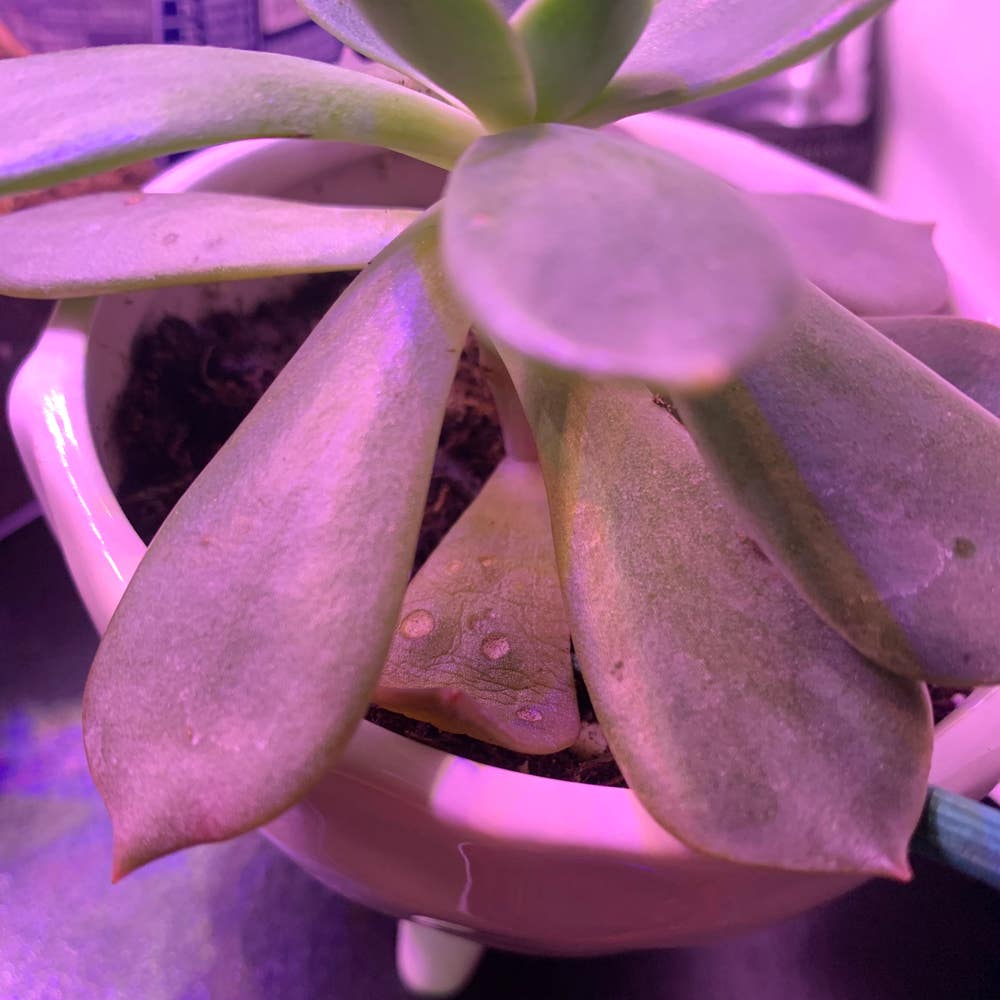
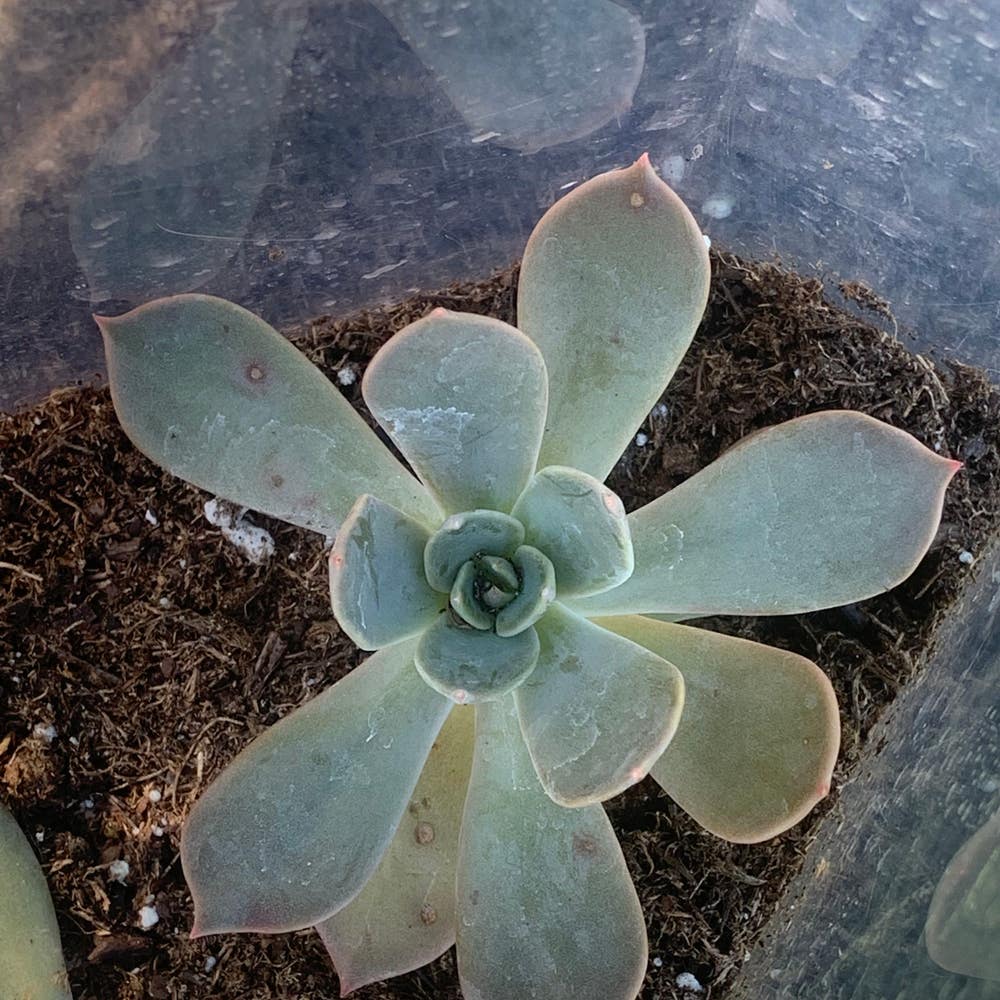
One of the standout features of Prolific Echeveria is its rosette growth form. This unique structure maximizes light capture, making it efficient at photosynthesis even in less-than-ideal lighting conditions.
The growth rate is moderate, with noticeable seasonal variations. During warmer months, you may see a burst of growth, while cooler periods may slow down its development.
Offset production is another key aspect of this plant's growth. The formation of "pups" or offsets not only contributes to the plant's spread but also enhances its resilience, allowing it to thrive in various conditions.
🌼 Reproductive Strategies of Prolific Echeveria
When it comes to reproduction, Prolific Echeveria has a well-defined flowering season. Typically, blooms appear in late spring to early summer, providing a stunning display of color.
Pollination is crucial for seed production, and Echeveria attracts various pollinators, including bees and butterflies. This interaction not only aids in reproduction but also supports local ecosystems.
In terms of seed production, Prolific Echeveria is quite generous. It produces a significant quantity of seeds, which are viable and capable of germinating under the right conditions, ensuring the continuation of its lineage.
With a solid understanding of these genetic and physiological characteristics, you can appreciate why Prolific Echeveria is not just another annual plant. Its unique lifecycle, growth patterns, and reproductive strategies set it apart, making it a valuable addition to any garden.
As we delve deeper, let's explore the lifecycle implications that further highlight the resilience and adaptability of this remarkable plant.
Lifecycle Implications
🌱 Growth and Flowering Cycles of Prolific Echeveria
Prolific Echeveria exhibits distinct seasonal growth patterns, alternating between active and dormant periods. During warmer months, the plant thrives, showcasing vibrant growth, while in cooler months, it conserves energy, entering a restful state.
Flowering frequency is another fascinating aspect. Typically, Echeveria blooms once or twice a year, depending on environmental conditions. This rhythm not only adds beauty but also signals the plant's health and vitality.
Environmental factors play a crucial role in both growth and flowering. Light exposure, temperature, and moisture levels can significantly influence how well Echeveria performs. Understanding these elements helps gardeners optimize conditions for their plants.
🌼 Seed Production in Prolific Echeveria vs. Annuals
When comparing seed output, Prolific Echeveria stands out against typical annuals. While annuals may produce a high volume of seeds in a single season, Echeveria's strategy focuses on fewer, but more viable seeds over several years.
The longevity of Echeveria seeds is impressive, with high viability and germination rates. This resilience ensures that even in less-than-ideal conditions, the seeds can remain dormant until conditions improve.
Seed production is vital for the survival of perennials like Echeveria. It allows the plant to establish new generations, ensuring its presence in the garden for years to come. This long-term strategy contrasts sharply with the fleeting nature of annuals, reinforcing Echeveria's status as a perennial favorite.
As we delve deeper into the variations and exceptions surrounding Echeveria, we’ll explore how environmental factors can sometimes lead to unexpected behaviors in this resilient plant.
Variations and Exceptions
🌱 Conditions Where Prolific Echeveria May Be Treated as an Annual
Prolific Echeveria can sometimes be mistaken for an annual due to specific environmental stressors. Drought and extreme temperatures can hinder its growth, making it appear less resilient than it truly is.
Poor soil conditions also play a significant role in this misclassification. If the soil lacks nutrients or proper drainage, the plant struggles, leading gardeners to believe it has a shorter lifecycle.
Mismanagement can further contribute to this perception. Inadequate care, such as improper watering or neglect, can stunt growth and create the illusion that Echeveria behaves like an annual.
🌍 Regional Differences Affecting Echeveria's Classification
Climate variations significantly influence how Echeveria is classified. In temperate regions, these plants may thrive and exhibit their perennial nature, while in arid areas, they might struggle more.
Local gardening practices also affect plant behavior. Some gardeners may treat Echeveria as an annual due to their specific growing conditions or preferences, impacting its overall lifecycle.
For instance, in regions with harsher climates, Echeveria might be treated differently. Understanding these regional differences is crucial for proper care and appreciation of this resilient plant.
As we explore the garden design and planting strategies, keep in mind how these variations can influence your approach to cultivating Prolific Echeveria.
Garden Design and Planting Strategies
🌱 Advantages of Using Prolific Echeveria in Perennial Planting
Prolific Echeveria is a fantastic long-term investment for your garden. With their resilience, you’ll find that fewer replacements are needed compared to annuals.
Their aesthetic appeal is undeniable, boasting vibrant blooms and a unique rosette form. This striking look can elevate any garden space, making it a visual delight.
Additionally, these plants offer ecological benefits by attracting pollinators. Supporting biodiversity in your garden is not just good for the environment; it enhances the beauty of your outdoor space.
🌼 Tips for Integrating Prolific Echeveria into Garden Design
When planning your garden, consider companion planting strategies. Pairing Echeveria with other perennials can create a harmonious ecosystem that thrives together.
Placement is crucial; ensure they receive adequate sun exposure and have well-draining soil. This will help them flourish and maintain their health.
Lastly, think about seasonal interest. Planning for year-round visual appeal will keep your garden vibrant, showcasing the beauty of Echeveria through all seasons.
Integrating Prolific Echeveria into your garden design not only enhances its beauty but also contributes to a sustainable ecosystem. With the right strategies, you can create a thriving space that brings joy and life to your surroundings.
Management Tips for Longevity
Best Practices for Managing Prolific Echeveria as a Perennial 🌱
Watering Techniques
Finding the right balance in watering is crucial for Prolific Echeveria. These plants thrive on a moderate watering schedule, allowing the soil to dry out between sessions to prevent root rot.
Soil Requirements
Ensure your Echeveria is planted in well-draining soil rich in nutrients. A mix of potting soil and sand or perlite can provide the ideal environment for healthy growth.
Pruning and Maintenance
Regular pruning helps promote healthy growth and prevents overcrowding. Remove any dead or damaged leaves to encourage new growth and maintain the plant's aesthetic appeal.
Maximizing the Longevity of Prolific Echeveria in the Garden 🌼
Seasonal Care Tips
Adjust your care routine based on the plant's growth cycles. During active growth in spring and summer, increase watering and fertilization, while reducing care in the dormant winter months.
Pest and Disease Management
Stay vigilant for common pests like mealybugs and aphids. Quick intervention with insecticidal soap or neem oil can keep your Echeveria healthy and thriving.
Utilizing the Greg Plant Care App
Consider using the Greg plant care app for reminders and scheduling. This tool can help you track watering, fertilization, and pruning, ensuring your Echeveria receives the attention it needs.
By following these management tips, you can ensure that your Prolific Echeveria flourishes as a perennial, adding beauty and resilience to your garden. Next, let’s explore how to integrate these stunning plants into your garden design effectively.
⚠️ Safety First
This content is for general information and may contain errors, omissions, or outdated details. It is not medical, veterinary advice, or an endorsement of therapeutic claims.
Always consult a qualified healthcare professional before using any plant as food, medicine, or supplement.
Never eat any plant (or feed one to pets) without confirming its identity with at least two trusted sources.
If you suspect poisoning, call Poison Control (800) 222-1222, the Pet Poison Helpline (800) 213-6680, or your local emergency service immediately.
Spotted an error? Please report it here.
Unlock the long-lasting beauty of Prolific Echeveria 🌼 with Greg's tailored care tips and watering reminders, ensuring your plant thrives for years to come!