🐛 What's Eating Your Echeveria
Echeveria prolifica
By the Greg Editorial Team
Sep 30, 2024•6 min read
This article was created with the help of AI so we can cover more plants for you. May contain errors. See one? Report it here.
Safeguard your Prolific Echeveria from hungry herbivores while boosting your garden's beauty! 🌱
- 🌼 Prolific Echeveria attracts pollinators while being vulnerable to herbivores like deer and rabbits.
- 🦌 Deterrents like repellents and fencing can protect Echeveria from common animal threats.
- 🌱 Regular monitoring and ecosystem balance are essential for thriving Echeveria health.
Description and Appeal of Prolific Echeveria
Appearance 🌈
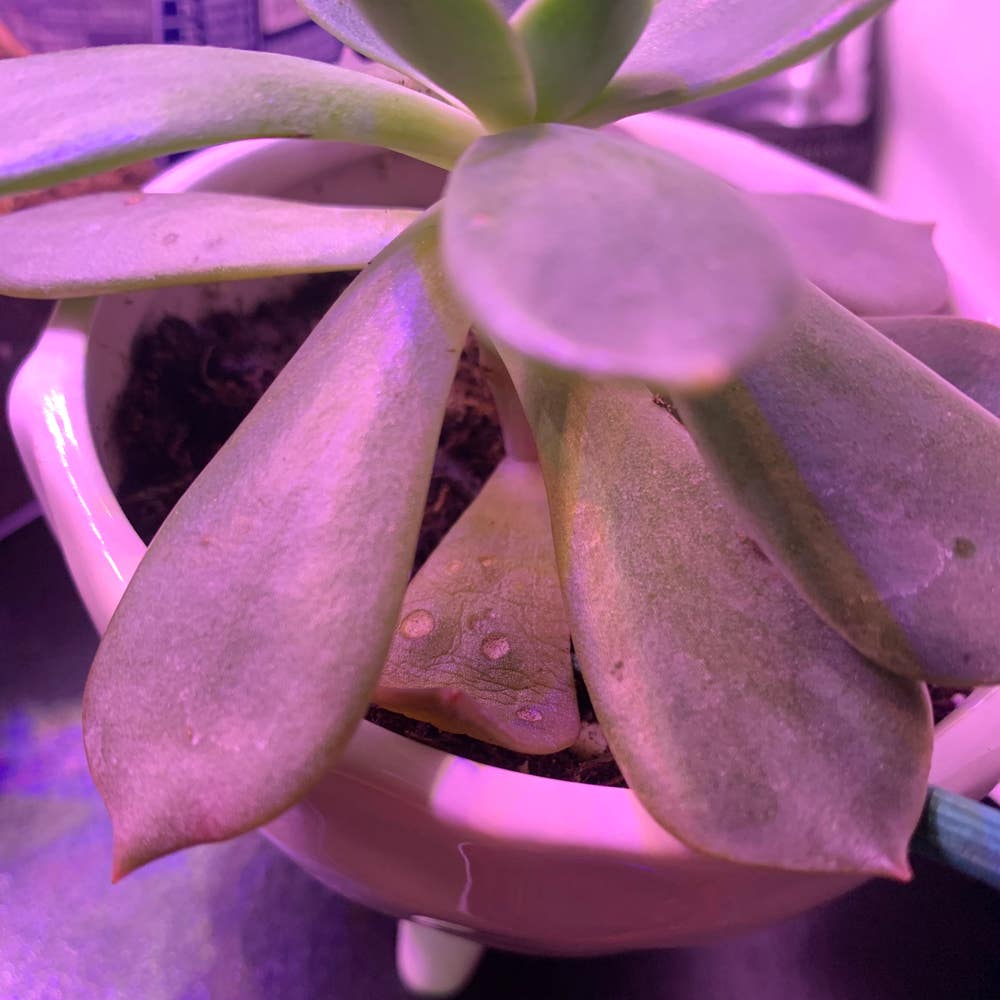
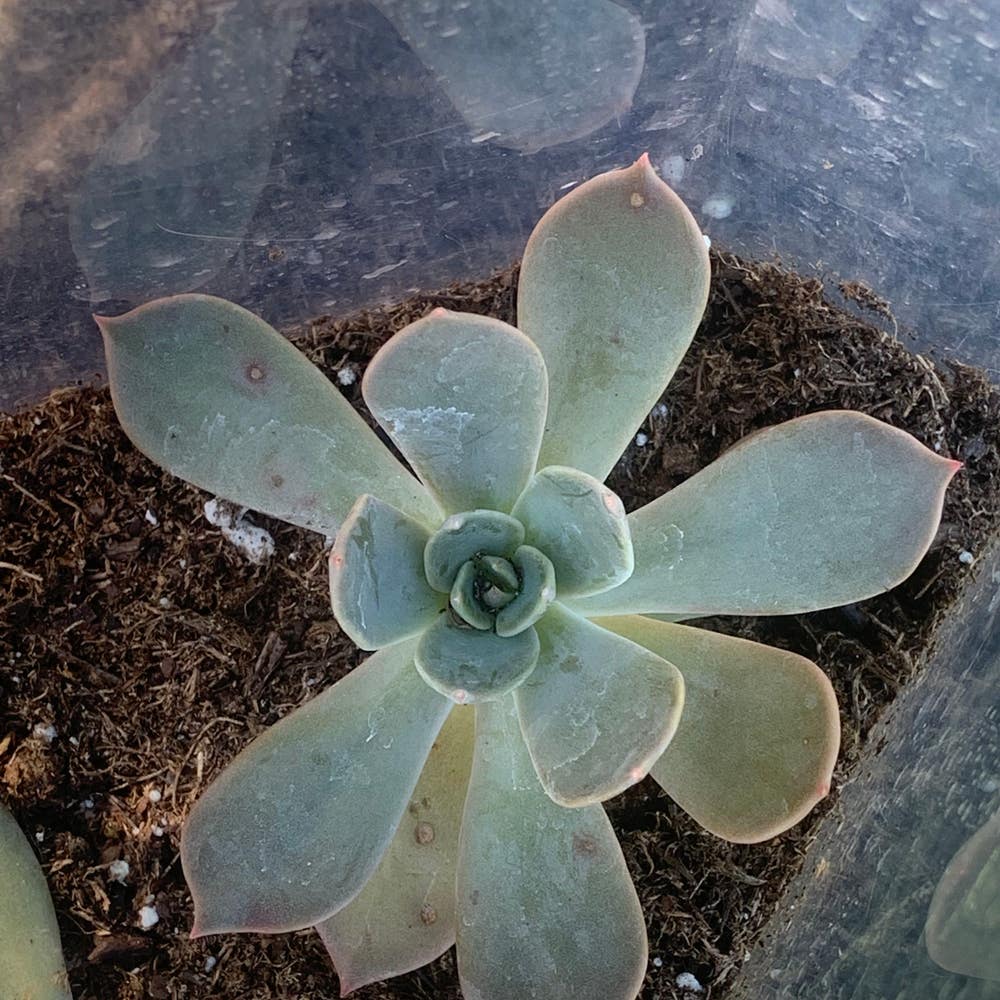
Prolific Echeveria is a stunning succulent known for its rosettes of fleshy, colorful leaves. Typically, it grows between 6 to 12 inches in height and width, making it a perfect addition to any garden or indoor space.
Flowering 🌸
This plant produces tall flower spikes adorned with tubular blooms, adding a vibrant touch to its overall appeal. The flowers not only enhance its beauty but also attract various pollinators.
Most Appealing Parts to Animals 🐾
Fruits
The fruits of Prolific Echeveria are soft, juicy, and rich in moisture, making them irresistible to many animals. Their succulent nature provides a refreshing snack, especially during dry spells.
Flowers
Brightly colored and fragrant, the flowers draw in both pollinators and herbivores alike. This dual attraction can lead to a bustling ecosystem around your plants.
Young Shoots
Tender and succulent, the young shoots are particularly appealing to various animals. Their softness makes them a prime target for herbivores looking for a nutritious meal.
In summary, the Prolific Echeveria's vibrant appearance and juicy parts make it a magnet for both admiration and appetite. Understanding its allure helps in protecting it from potential herbivores, paving the way for a thriving garden. Next, we’ll explore the common herbivores that might be munching on your beloved Echeveria.
Common Herbivores Affecting Prolific Echeveria
🦌 Deer
Signs of presence and damage caused
Look for hoof prints in the soil around your Echeveria. Browsing on leaves often results in ragged edges and stunted growth.
Beneficial vs. harmful interaction
Deer interactions are generally harmful. They can decimate Echeveria populations if not managed effectively.
Deterrent methods
To deter deer, consider using commercial deer repellents. Planting strong-smelling herbs like lavender nearby can also help keep them at bay.
🐇 Rabbits
Signs of presence and damage caused
Rabbits leave small, round droppings near the plant. They tend to make clean cuts on leaves and stems, often at a 45-degree angle.
Beneficial vs. harmful interaction
Rabbits are generally harmful to Echeveria. Their feeding can lead to significant plant damage.
Deterrent methods
Bitter-tasting sprays can act as effective chemical deterrents. Alternatively, fencing with chicken wire around your garden is an easy organic method.
🐿️ Squirrels
Signs of presence and damage caused
Squirrels often dig around the base of the plant, leaving scattered soil. They chew on leaves and flowers, which can lead to wilting.
Beneficial vs. harmful interaction
Squirrels are generally harmful. Their activities can disrupt the plant's growth cycle.
Deterrent methods
Capsaicin-based sprays serve as chemical deterrents. For an organic approach, consider using scare tactics like reflective tape or noise makers.
🐦 Birds
Signs of presence and damage caused
Look for droppings on or around the plant and peck marks on leaves. Birds may eat flowers and young shoots, reducing flowering.
Beneficial vs. harmful interaction
Bird interactions are mixed. While some birds help pollinate, others can cause damage.
Deterrent methods
Non-toxic bird repellents can be effective chemical deterrents. Using netting to cover plants is a simple organic solution.
🐭 Rodents (mice, voles, etc.)
Signs of presence and damage caused
Rodents create tunnels near the base of the plant and leave droppings. They gnaw on roots and stems, leading to plant instability.
Beneficial vs. harmful interaction
Rodents are generally harmful. Their presence can cause severe damage to your Echeveria.
Deterrent methods
Rodent bait stations can serve as chemical deterrents. For an organic option, planting deterrent herbs like mint around the garden can help.
Understanding these common herbivores and their interactions with your Prolific Echeveria is crucial for maintaining a healthy garden. With the right deterrent methods, you can protect your plants and enjoy their beauty for years to come.
Beneficial Animals and Ecological Balance
🐝 Beneficial Animals Attracted to Prolific Echeveria
Prolific Echeveria isn't just a feast for herbivores; it also attracts beneficial animals that play crucial roles in the garden ecosystem.
Pollinators like bees and butterflies flock to its vibrant flowers, ensuring effective pollination. This not only enhances the beauty of your garden but also boosts the overall health of your plants.
Predatory insects, such as ladybugs and lacewings, are also drawn to Echeveria. They help control pest populations, keeping harmful insects in check and reducing the need for chemical pesticides.
🌱 Positive Impacts on the Garden Ecosystem
The presence of these beneficial animals leads to significant positive impacts. Enhanced pollination results in better flowering and fruiting, which means more vibrant plants and potentially increased yields if you're growing for harvest.
Additionally, natural pest control from predatory insects minimizes the reliance on chemical interventions. This creates a healthier, more balanced ecosystem, allowing your garden to thrive without the negative side effects of synthetic products.
Incorporating Prolific Echeveria into your garden not only beautifies your space but also fosters a thriving environment. By attracting these beneficial creatures, you contribute to a sustainable and vibrant garden ecosystem.
As we explore further, let’s look at general protection strategies to ensure your Echeveria remains healthy amidst the challenges posed by herbivores.
General Protection Strategies for Prolific Echeveria
🛡️ Preventive Measures for Protecting Prolific Echeveria
Choosing the right plants is crucial for safeguarding your Prolific Echeveria. Opt for resilient varieties that are less appealing to herbivores.
Strategic garden layout also plays a vital role. Position your Echeveria away from known herbivore pathways to minimize encounters.
🐾 Reactive Solutions for Managing Animal Interactions
Regular monitoring is essential for early detection of animal activity. Inspect your plants frequently for signs of damage or animal presence.
When you notice any issues, take immediate action. Implement deterrents as soon as signs are observed to protect your plants effectively.
🌱 Seasonal Variations in Animal Attraction to Echeveria
Animal attraction to Echeveria varies with the seasons. In spring, expect increased herbivore activity as plants begin to emerge.
Summer marks peak feeding times for many animals. By fall, animals forage heavily to prepare for winter, making vigilance even more important.
⚠️ Toxic Effects of Prolific Echeveria on Animals
Interestingly, Prolific Echeveria has mild toxicity that can deter some animals from consuming it. This natural defense can be a helpful ally in protecting your plants.
By understanding these strategies, you can create a thriving environment for your Echeveria while minimizing damage from herbivores. Next, let’s explore the beneficial animals that contribute positively to your garden ecosystem.
⚠️ Safety First
This content is for general information and may contain errors, omissions, or outdated details. It is not medical, veterinary advice, or an endorsement of therapeutic claims.
Always consult a qualified healthcare professional before using any plant as food, medicine, or supplement.
Never eat any plant (or feed one to pets) without confirming its identity with at least two trusted sources.
If you suspect poisoning, call Poison Control (800) 222-1222, the Pet Poison Helpline (800) 213-6680, or your local emergency service immediately.
Spotted an error? Please report it here.
Protect your Prolific Echeveria from pesky herbivores with smart strategies and Greg's tailored care tips, ensuring your succulent remains a stunning centerpiece in your garden! 🌱