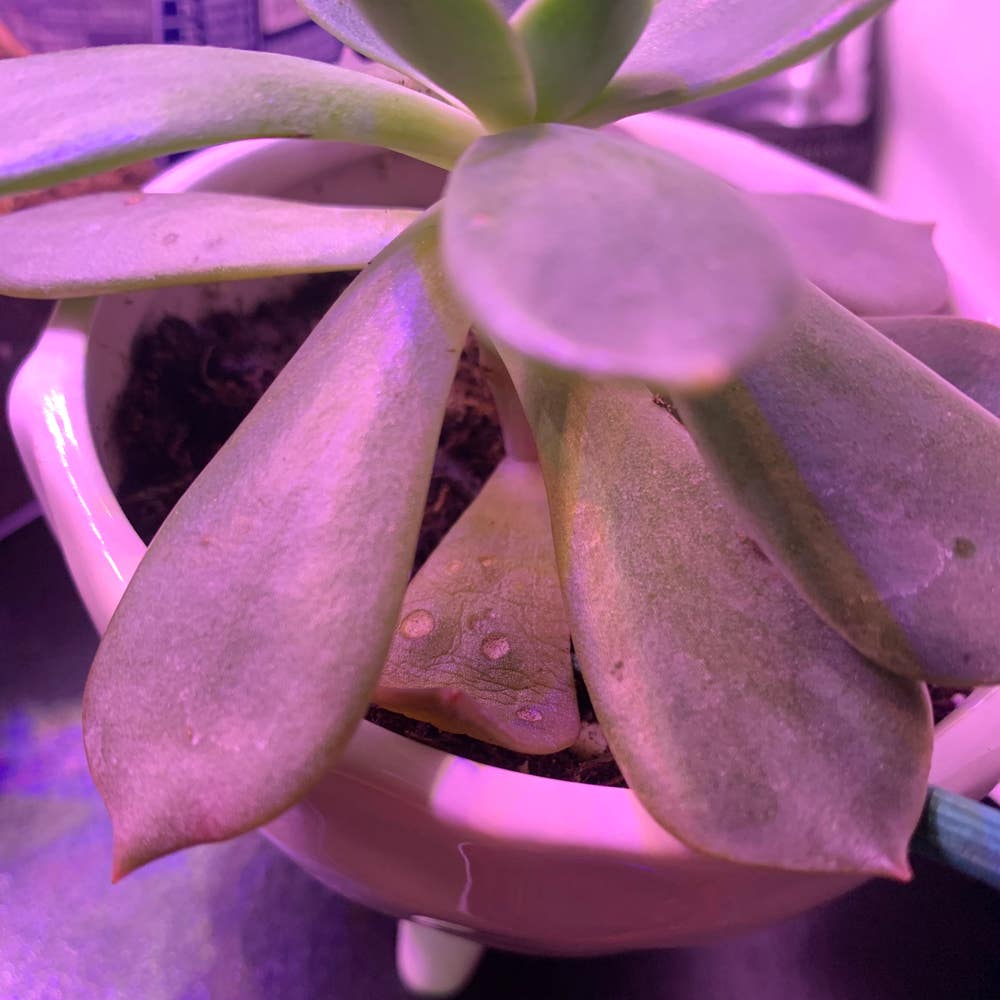
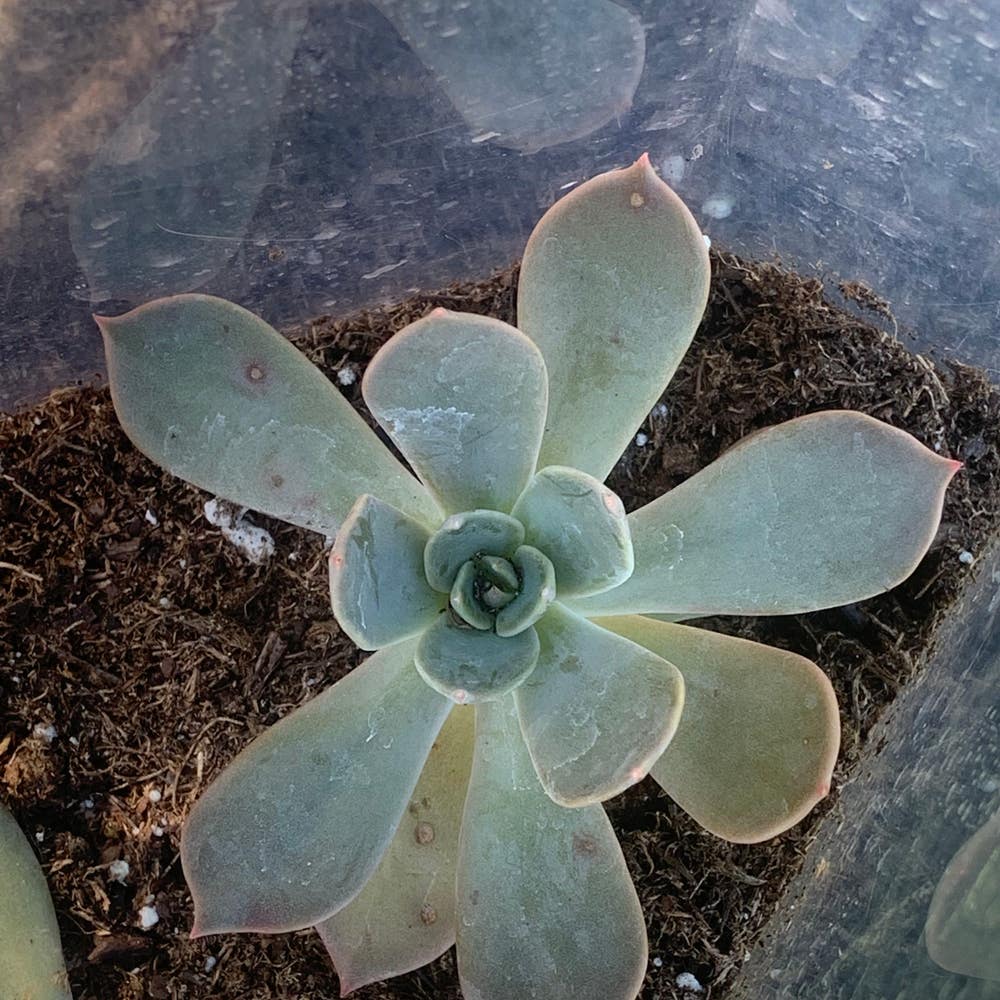
☀️ 3 Factors for Optimal Prolific Echeveria Growth
Echeveria prolifica
By the Greg Editorial Team
Sep 30, 2024•5 min read
This article was created with the help of AI so we can cover more plants for you. May contain errors. See one? Report it here.
Master Echeveria care 🌱 to transform your space with vibrant, thriving plants in no time!
- 🌞 Echeverias need 6+ hours of sunlight daily for vibrant growth and colors.
- 🌡️ Maintain temperatures between 20°C to 30°C for optimal Echeveria health.
- 💧 Use well-draining soil and deep watering to prevent root rot and promote growth.
Optimal Growing Conditions
🌍 Choosing the Right Location
When it comes to Echeveria growth, location is key. Indoor settings offer controlled environments, while outdoor spaces provide natural sunlight and airflow.
Container growing is a fantastic option for those with limited space. It allows for easy mobility, letting you shift your plants to optimize sunlight exposure.
☀️ Sunlight Requirements
Echeverias thrive on sunlight, requiring a minimum of 6 hours of direct exposure daily. This ensures robust growth and vibrant colors.
In extremely hot climates, consider partial shade to prevent leaf scorch. Adapting to light variations can help your plants flourish without stress.
🌡️ Ideal Temperature and Humidity Levels
For optimal growth, maintain temperatures between 20°C to 30°C (68°F to 86°F). This range supports healthy development and flowering.
Echeverias prefer low humidity levels. Avoid overly humid environments to prevent issues like rot and mold, ensuring your plants stay healthy and vibrant.
With the right conditions in place, your Echeverias will be set for success. Next, let’s dive into soil and planting essentials to keep them thriving.
Soil and Planting
🌱 Soil Preparation
To kick off your Echeveria journey, start with the right soil. A well-draining cactus or succulent mix is essential for healthy growth.
The ideal pH level for Echeveria is slightly acidic to neutral, ranging from 6.0 to 7.0. This balance helps your plants thrive without any hiccups.
🧪 Best Soil Types and Drainage Considerations
Proper drainage is crucial to prevent root rot, a common issue for Echeveria. Ensure your soil composition allows excess water to escape easily.
Consider adding amendments like perlite or sand to enhance drainage. This simple step can make a world of difference in your plant's health.
🌼 Step-by-Step Planting Instructions
Ready to plant? Follow these easy steps for a successful Echeveria setup:
- Choose a pot with drainage holes to allow excess water to escape.
- Fill the pot with your prepared soil mix, leaving enough space for the plant.
- Gently remove the Echeveria from its nursery pot, loosening the roots carefully.
- Position the plant in the center of the new pot and fill in with soil.
- Water lightly to settle the soil around the roots.
With these steps, your Echeveria will be well on its way to flourishing. Next, let’s dive into watering and fertilizing to keep your plant thriving!
Watering and Fertilizing
💧 Watering Techniques
To keep your Echeveria thriving, adopt the deep watering method. Soak the soil thoroughly, then allow it to dry completely before the next watering.
Aim to water every 2-3 weeks during the growing season. In winter, cut back on watering to prevent over-saturation.
🚨 Signs of Overwatering and Underwatering
Be vigilant about the signs of overwatering. Look for yellowing leaves, mushy stems, and root rot as indicators that your plant is drowning.
On the flip side, underwatering shows up as wrinkled leaves, dry tips, and stunted growth. Adjust your watering routine accordingly to keep your Echeveria healthy.
📅 Fertilizing Schedule and Types
Fertilization is key for robust growth. Plan to fertilize monthly during the growing season to provide essential nutrients.
Opt for a balanced, diluted liquid fertilizer or a cactus-specific formula. This will ensure your Echeveria gets the nourishment it craves without overwhelming it.
By mastering watering and fertilizing, you set the stage for flourishing Echeveria. Next, let’s explore pruning and maintenance to keep your plants in top shape.
Pruning and Maintenance
Pruning Techniques for Healthy Growth 🌱
Pruning your Echeveria is essential for promoting vibrant growth. Aim to prune in spring, as this timing encourages new leaves to flourish.
Remove any dead or damaged leaves to keep your plant healthy. Shaping your Echeveria not only enhances its appearance but also allows for better air circulation.
Ongoing Care Routine 🔍
Regular inspections are key to maintaining your Echeveria's health. Check for pests and diseases to catch any issues early.
Adjust your watering routine based on seasonal changes. This ensures your plant receives the right amount of moisture throughout the year.
Seasonal Care Considerations ❄️☀️
During winter, reduce watering and protect your Echeveria from frost. This helps prevent damage and keeps your plant thriving.
In summer, increase watering frequency to accommodate the heat. Your Echeveria will appreciate the extra hydration during those hot months.
With these pruning and maintenance tips, your Echeveria will not only survive but thrive, setting the stage for the next topic: common challenges and solutions.
Common Challenges and Solutions
🐛 Identifying Pests and Diseases
Echeveria plants can face a few common pests, including mealybugs, aphids, and spider mites. Keep an eye out for signs of disease, such as root rot, leaf drop, and fungal infections, which can quickly jeopardize your plant's health.
🛠️ Solutions for Common Problems
If you notice root rot, the first step is to improve drainage and reduce your watering frequency. For leaf drop, adjust your watering habits and inspect for any pest infestations that might be causing stress.
🌱 Tips for Successful Propagation
Propagation can be a rewarding experience, and there are two main methods: leaf cuttings and offsets. The best time to propagate Echeveria is in spring or early summer, ensuring optimal growth conditions for your new plants.
With these insights, you can tackle common challenges and enjoy the rewarding journey of growing Echeveria. Next, let’s explore effective pruning techniques to keep your plants thriving.
⚠️ Safety First
This content is for general information and may contain errors, omissions, or outdated details. It is not medical, veterinary advice, or an endorsement of therapeutic claims.
Always consult a qualified healthcare professional before using any plant as food, medicine, or supplement.
Never eat any plant (or feed one to pets) without confirming its identity with at least two trusted sources.
If you suspect poisoning, call Poison Control (800) 222-1222, the Pet Poison Helpline (800) 213-6680, or your local emergency service immediately.
Spotted an error? Please report it here.
Achieve thriving Echeverias 🌞 by mastering their care with Greg's tailored watering reminders and expert tips to ensure they bask in the perfect conditions!