🌵 How Much Humidity Does My Echeveria prolifica Need?
Echeveria prolifica
By the Greg Editorial Team
Jun 18, 2024•3 min read
This article was created with the help of AI so we can cover more plants for you. May contain errors. See one? Report it here.
Discover the secret to a lush Echeveria prolifica 🌵 by nailing the perfect humidity balance—no more guesswork!
- Shriveled leaves? More humidity needed for Echeveria prolifica.
- Excess moisture? Use dehumidifiers to prevent rot and disease.
- Hygrometers and pebble trays help maintain ideal humidity levels.
Spotting the Signs: Echeveria Prolifica's Humidity Happiness Scale
🌵 When It's Too Dry
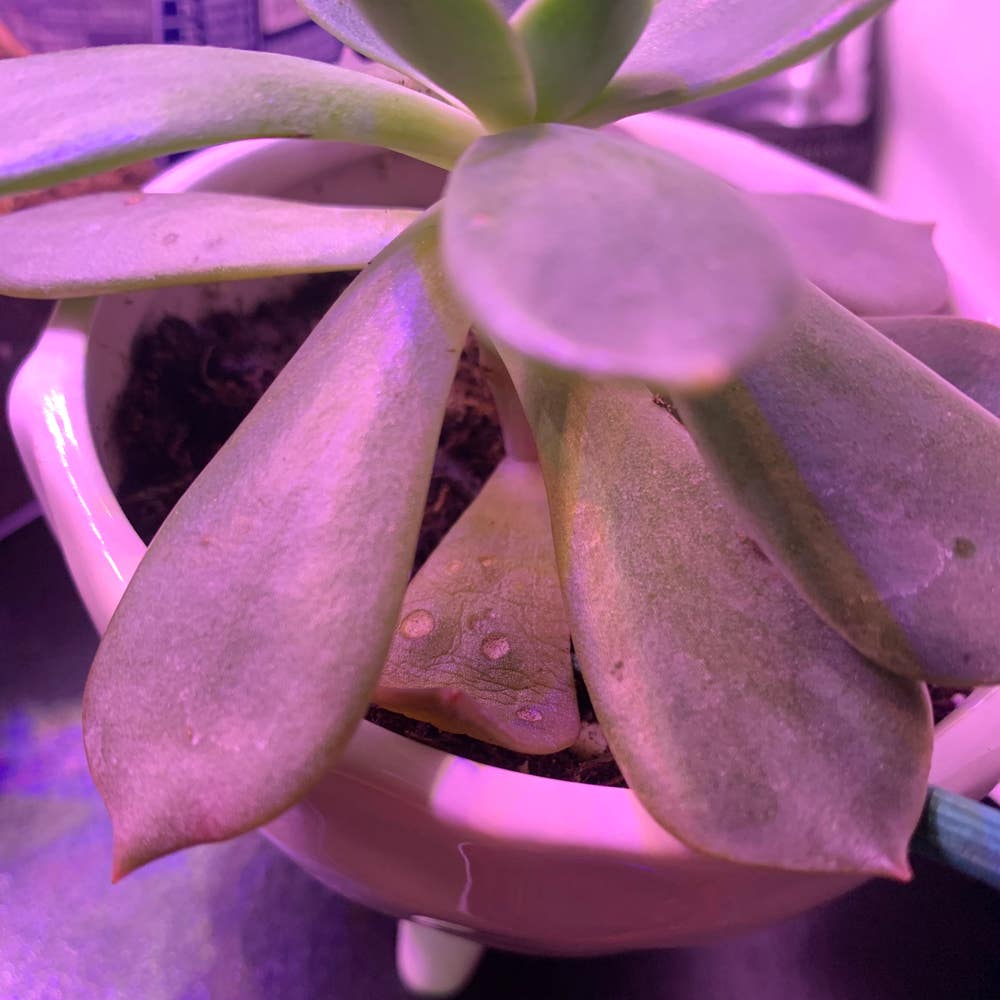
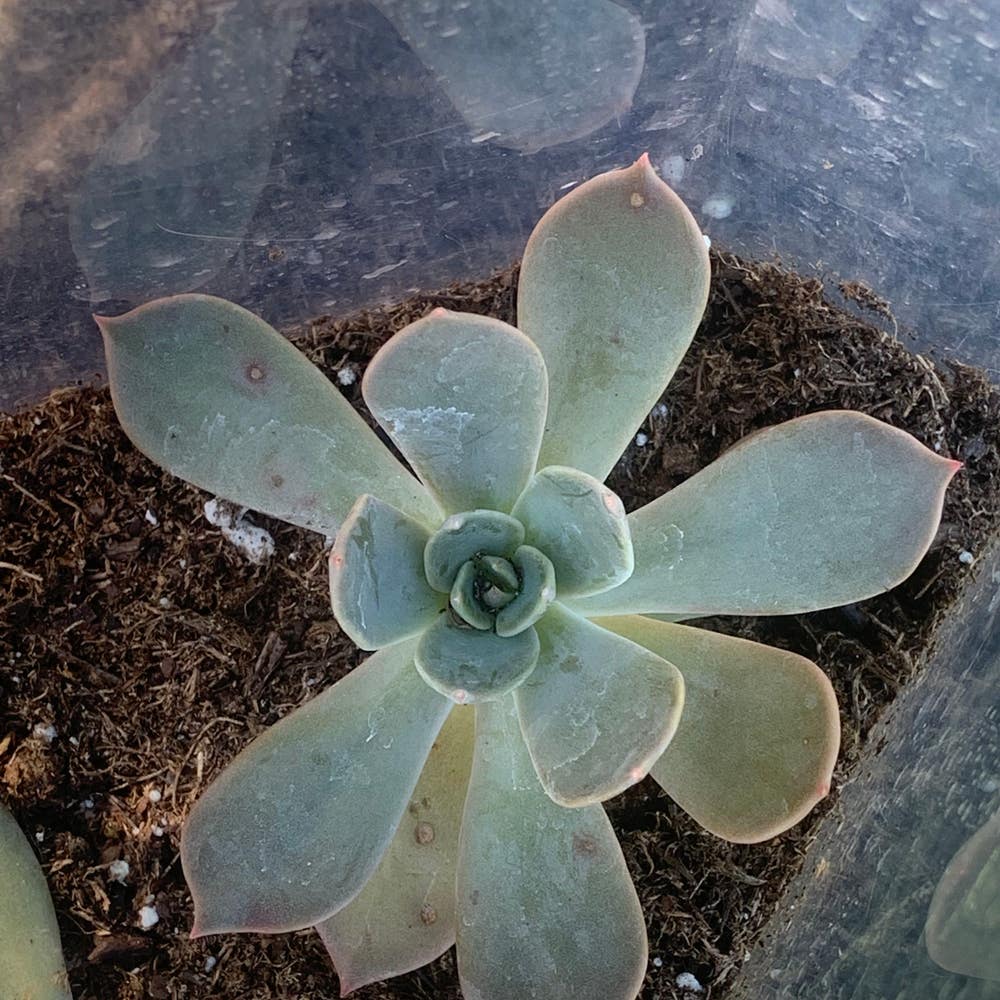
Shriveled leaves and dry, brown tips are your Echeveria prolifica's way of crying out for more humidity. It's sapping moisture from its own leaves, leaving them looking more wrinkled than a linen shirt at a summer wedding. This lack of atmospheric moisture can stunt growth and leave your succulent looking as sad as a sunflower in the shade.
💦 When It's Too Humid
On the flip side, soggy leaves are the red flags of excess humidity. It's like your Echeveria is sitting in a steam room it never signed up for, and the result is a fungal free-for-all. High humidity can lead to rot and disease, turning your succulent's home into a botanical horror show. If your plant's leaves are throwing in the towel, it's time to dial back the moisture.

Measuring Up: Tools to Track Humidity
🌡️ Choosing and Using a Hygrometer
Hygrometers are the unsung heroes in the plant care saga, especially for your Echeveria prolifica. To pick one, consider digital models for their precision and ease of use. Once you've got your hands on this gadget, place it near your plant but out of the way of misleading elements like direct sunlight or drafts. It's not just about getting a reading; it's about getting the right one.
🌧️ Understanding Your Local Humidity
Local humidity is like the mood of your home's atmosphere—it fluctuates. To get a grip on it, check your hygrometer at various times. This isn't just busywork; it's crucial intel. You're looking for patterns, peaks, and troughs in the moisture levels that envelop your Echeveria prolifica. Different rooms can feel like different worlds, so take readings in multiple spots to find your plant's sweet spot.

Creating a Humidity Haven: Boosting Moisture for Your Echeveria
💦 Pebble Trays and Misting: Do They Work?
Echeveria prolifica, a succulent that thrives in dry conditions, still appreciates a humidity boost during drier months. Enter the pebble tray, a low-tech solution that's as easy as pie. Fill a tray with pebbles, pour in some water, and let your plant perch on top. The water evaporates, creating a cozy microclimate without making the pot soggy.
Misting, on the other hand, is a bit like playing with fire. Too much and you're inviting fungi to a feast on your Echeveria's leaves. A light spritz can be refreshing, but it's a fine line to walk.
🌬️ The Role of Humidifiers
When the air's drier than a stand-up comedian's wit, a humidifier can be a game-changer. These gadgets are the MVPs of moisture, letting you dial in the perfect level of humidity like you're tuning a vintage radio. Just remember, your Echeveria prolifica isn't a tropical fern; it doesn't want to swim, just to dip its toes. So keep that humidifier on a leash – a gentle puff of moisture will do the trick.

Too Much of a Good Thing: Lowering Humidity When Necessary
💨 Ventilation and Airflow
Cracking a window or running a fan can work wonders for your Echeveria prolifica. It's about giving your plant a breath of fresh air, not creating a windstorm. Proper air circulation is crucial to prevent moisture-related issues without drying out your plant.
💧 The Dehumidifier Option
When your succulent's environment feels more like a rainforest than a desert, a dehumidifier might be your best bet. Use it to suck out excess moisture, ensuring your Echeveria prolifica doesn't suffer from the dreaded fungal diseases. Remember, it's about finding that sweet spot of humidity where your plant thrives.
⚠️ Safety First
This content is for general information and may contain errors, omissions, or outdated details. It is not medical, veterinary advice, or an endorsement of therapeutic claims.
Always consult a qualified healthcare professional before using any plant as food, medicine, or supplement.
Never eat any plant (or feed one to pets) without confirming its identity with at least two trusted sources.
If you suspect poisoning, call Poison Control (800) 222-1222, the Pet Poison Helpline (800) 213-6680, or your local emergency service immediately.
Spotted an error? Please report it here.
Keep your Echeveria prolifica perfectly plump 🌵 by letting Greg remind you when to adjust humidity with pebble trays or humidifiers, avoiding shriveled leaves or rot.