🌵 Step-by-Step Guide to Potting Echeveria
Echeveria prolifica
By the Greg Editorial Team
Sep 30, 2024•4 min read
This article was created with the help of AI so we can cover more plants for you. May contain errors. See one? Report it here.
Transform your Echeveria's health 🌱 by mastering the art of choosing the right pot for every growth stage!
- 🌱 Choose pot sizes wisely: 2-4 inches for seedlings, 6-8 inches for mature Echeveria.
- 🕳️ Ensure proper drainage: Use 1-3 holes to prevent water accumulation and root rot.
- 🔄 Repot every 1-2 years or when roots emerge from holes for optimal growth.
Choosing the Right Pot for Prolific Echeveria
🌱 Pot Sizes for Different Growth Stages
Selecting the right pot size is crucial for the health of your Echeveria.
Seedling Stage: Use a container that is 2-4 inches in diameter. A snug fit encourages root development, helping your plant establish itself.
Juvenile Stage: Opt for a pot size of 4-6 inches in diameter. This slightly larger space accommodates the plant's growth as it matures.
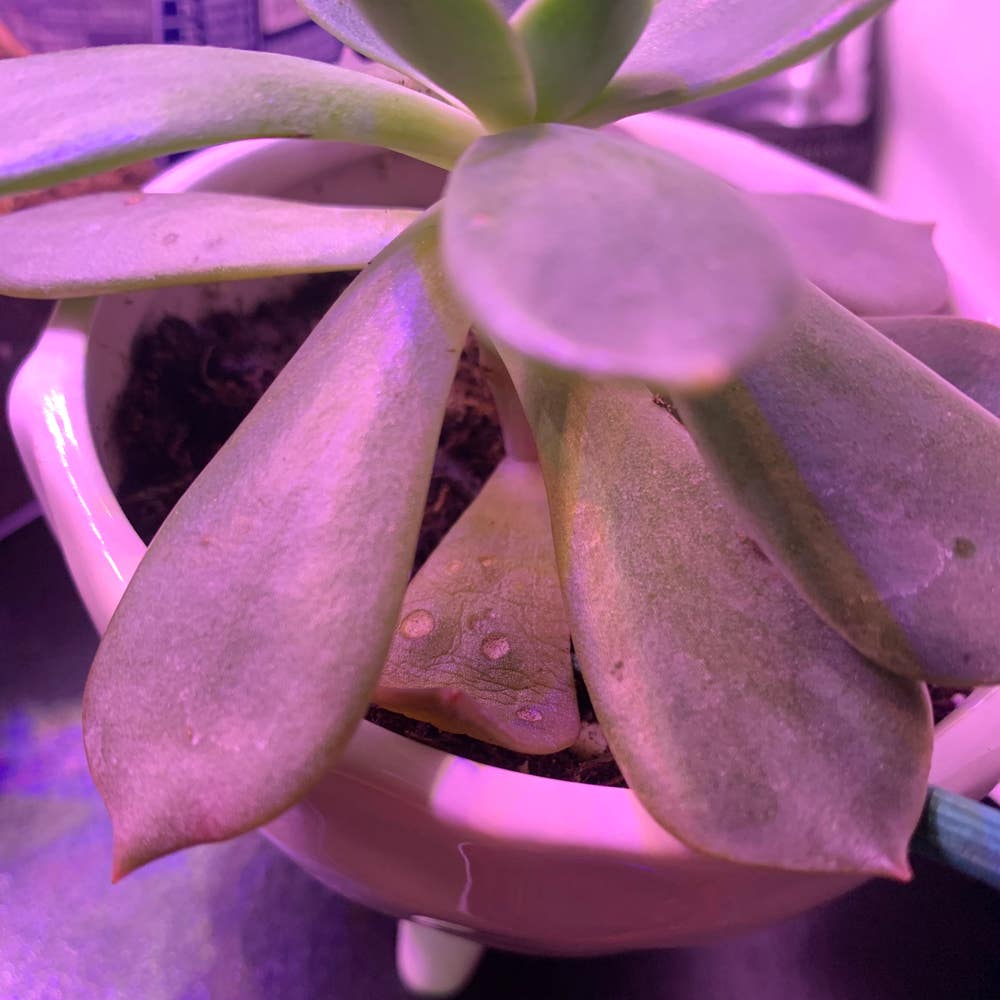
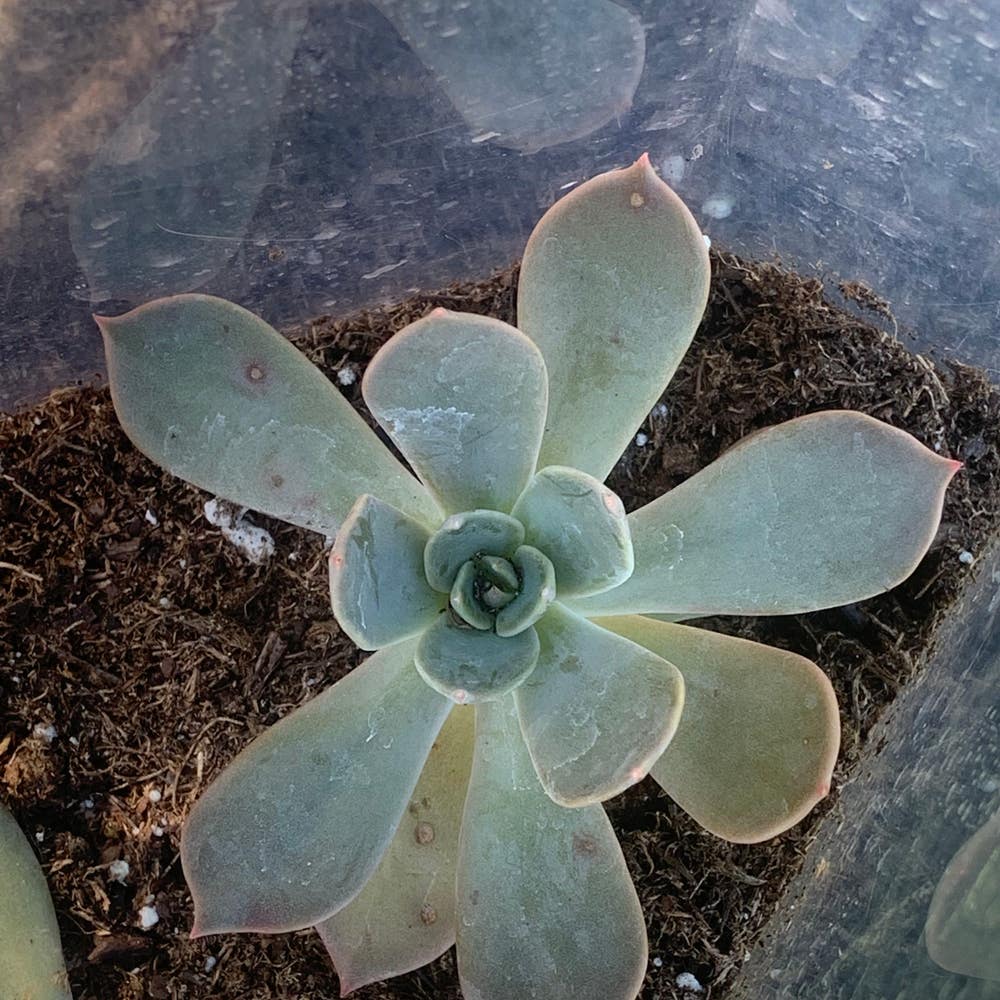
Mature Stage: Choose a pot that is 6-8 inches in diameter. This size considers the rosette shape and allows for potential spread.
General Guideline: As your Echeveria grows, increase the pot size by 1-2 inches in diameter to ensure it has enough room to thrive.
🪴 Ideal Pot Materials
Choosing the right material for your pot can significantly impact your Echeveria's health.
Clay Pots
Benefits: Clay pots offer excellent breathability and moisture regulation. Their natural porous material helps prevent overwatering, which is vital for Echeveria.
Drawbacks: However, they are heavier and can be fragile. You may also need to water more frequently due to evaporation.
Plastic Pots
Benefits: Lightweight and durable, plastic pots retain moisture longer, reducing the frequency of watering.
Drawbacks: They are less breathable than clay, which can increase the risk of root rot if drainage is inadequate.
Comparison of Materials: Both materials have their pros and cons. Clay is great for moisture control, while plastic is more convenient for handling.
🚿 Drainage Considerations
Proper drainage is essential for the health of your Echeveria.
Importance of Drainage Holes
Preventing Water Accumulation: Drainage holes are crucial for preventing stagnant water, which can lead to root rot.
Recommended Number: Aim for at least 1-3 drainage holes, depending on the pot size, to ensure adequate water flow.
How Drainage Impacts Echeveria Health
Moisture Control: Good drainage helps maintain optimal moisture levels for your Echeveria.
Effects of Poor Drainage: Symptoms of overwatering include yellowing leaves and mushy stems, indicating that your plant is struggling.
🌼 Repotting Prolific Echeveria
Knowing when and how to repot your Echeveria is key to its longevity.
When to Repot Echeveria
Signs to Repot: Look for roots emerging from drainage holes or soil that dries out too quickly.
Recommended Frequency: Generally, repot every 1-2 years or when you notice growth stagnation.
Choosing the Right Pot When Repotting
Considerations: When selecting a new pot, increase the size by 1-2 inches in diameter. Choose the material based on your climate and watering habits.
Growth Stage Matching: Ensure the new pot aligns with your Echeveria's current growth stage for optimal results.
Step-by-Step Guide to Repotting Echeveria
- Gather materials: new pot, fresh potting soil, and tools.
- Remove Echeveria from the old pot: Gently loosen the soil around the roots to avoid damage.
- Inspect roots: Trim any dead or rotting roots to promote healthy growth.
- Prepare the new pot: Add a layer of potting soil at the bottom for stability.
- Position Echeveria: Center the plant and fill in with soil, ensuring it’s secure.
- Water lightly: Allow the soil to settle without saturating it.
- Place in appropriate light conditions post-repotting to help it acclimate.
❌ Common Potting Mistakes
Avoiding common pitfalls can save your Echeveria from unnecessary stress.
Overpotting vs. Underpotting
Overpotting: Using a pot that’s too large can lead to excess soil retaining moisture. Signs include slow growth and root rot.
Underpotting: Conversely, a pot that’s too small risks root binding and stunted growth, evident when roots emerge from drainage holes.
Choosing the Wrong Materials
- Consequences: Selecting inappropriate materials can lead to moisture retention issues. Always prioritize breathable materials for Echeveria.
Ignoring Drainage Needs
Common Pitfalls: Avoid using pots without drainage holes or neglecting to check drainage before potting.
Solutions: Always prioritize pots with adequate drainage to ensure your Echeveria thrives.
With the right pot and care, your Echeveria can flourish beautifully. Next, let’s explore how to repot your plant effectively for continued growth.
⚠️ Safety First
This content is for general information and may contain errors, omissions, or outdated details. It is not medical, veterinary advice, or an endorsement of therapeutic claims.
Always consult a qualified healthcare professional before using any plant as food, medicine, or supplement.
Never eat any plant (or feed one to pets) without confirming its identity with at least two trusted sources.
If you suspect poisoning, call Poison Control (800) 222-1222, the Pet Poison Helpline (800) 213-6680, or your local emergency service immediately.
Spotted an error? Please report it here.
Potting your Echeveria is a breeze 🌱 with Greg's tailored reminders and expert tips to help you choose the perfect pot size and care techniques for thriving plants!