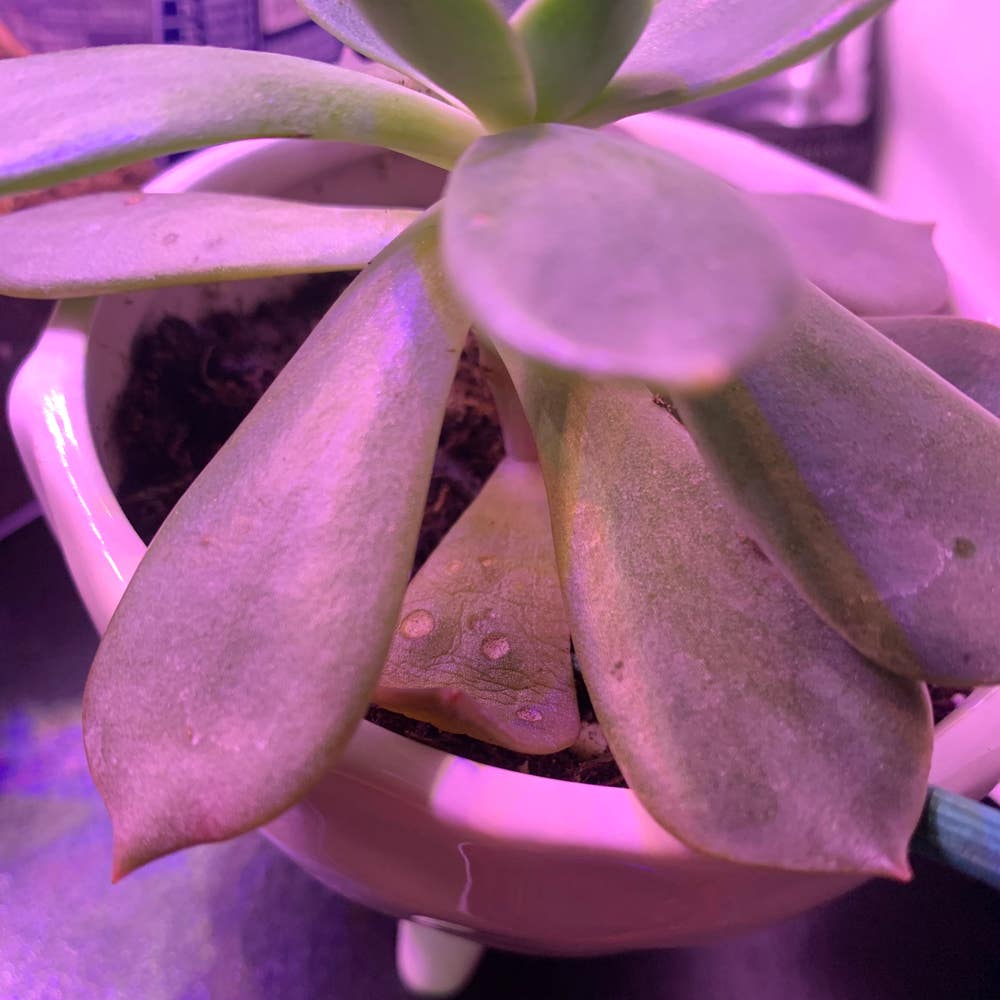
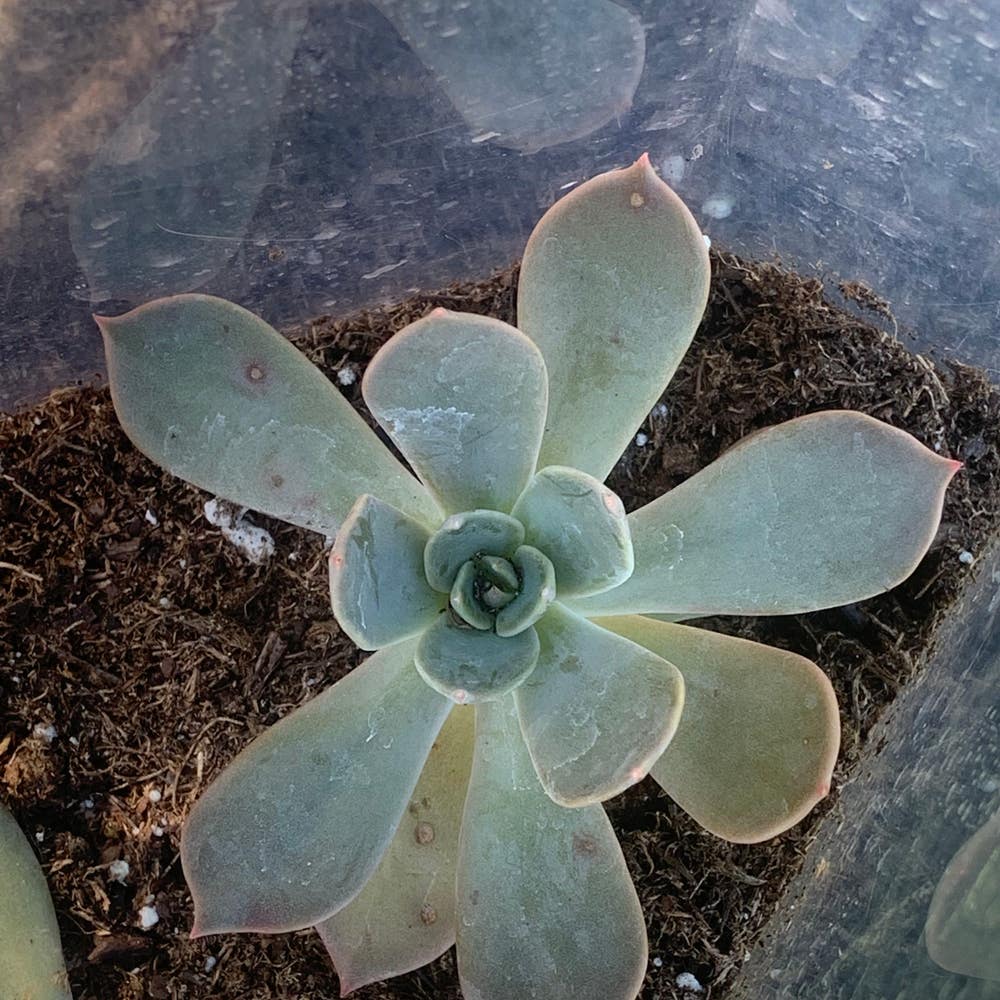
❄️ 4 Tips for Caring for Your Prolific Echeveria in Winter
Echeveria prolifica
By the Greg Editorial Team
Sep 30, 2024•4 min read
This article was created with the help of AI so we can cover more plants for you. May contain errors. See one? Report it here.
Ensure your Echeveria thrives this winter 🌿 with essential care tips to protect it from frost damage! ❄️
- 💧 Water Echeveria every 2-4 weeks in winter; let soil dry completely.
- ❄️ Protect from frost using cloth or burlap to ensure winter survival.
- 🌞 Provide bright, indirect light and maintain optimal temperatures for healthy growth.
Winter Care Techniques
🌊 Adjusting watering schedules
Caring for your Echeveria in winter means adjusting your watering routine. Aim to water every 2-4 weeks, allowing the soil to dry out completely between waterings.
Watch for signs of overwatering, such as yellowing leaves or mushy stems. These indicators can signal that your plant is not thriving, so it's crucial to get the watering balance right.
❄️ Fertilizing during dormancy
During winter dormancy, it's best to skip fertilization altogether. Avoid high-nitrogen fertilizers, as they can harm your plant during this resting phase.
When spring arrives, resume fertilization with a balanced formula to support new growth. This transition is vital for your Echeveria's health as it wakes up from its winter slumber.
🏠 Indoor care
If your Echeveria is indoors, ensure it receives bright, indirect light. Adjust its placement near windows to maximize exposure without risking sunburn.
Keep an eye on indoor humidity levels and temperature. Echeveria prefers a stable environment, so monitoring these factors will help keep your plant happy and healthy throughout the winter months.
By following these winter care techniques, you set your Echeveria up for success as it navigates the colder season. Next, let's explore effective frost protection strategies to safeguard your succulent from harsh winter conditions.
Frost Protection Strategies
🌨️ Methods for Protecting from Frost
When winter hits, your Echeveria needs extra care to survive the cold. One effective method is covering your plants with frost cloth or burlap, which acts as a protective barrier against harsh temperatures.
For potted Echeveria, consider bringing them indoors during cold snaps. This simple move can make a significant difference in their survival. If your plants are in the ground, using mulch or straw can help insulate the soil and protect the roots from freezing.
❄️ Identifying Signs of Frost Damage
Frost damage can sneak up on you, so it's essential to know the symptoms. Look for blackened or mushy leaves, which indicate that your plant has suffered from the cold.
Long-term effects can include stunted growth or even plant death if not addressed. If you suspect frost damage, act quickly by trimming away affected leaves and adjusting care to help your Echeveria recover.
As you prepare for spring, understanding these frost protection strategies will ensure your Echeveria thrives. Next, we'll explore how to recognize signs of recovery from winter damage.
Spring Preparation and Recovery
🌱 Signs of Recovery from Winter Damage
As winter fades, look for fresh leaves emerging from your Echeveria. This is a clear indicator that your plant is bouncing back.
Keep an eye out for pests or diseases during this recovery phase. Early detection can save your plant from further stress.
🌼 Preparing for Spring Growth
Start by gradually increasing your watering frequency. This helps your Echeveria adjust to the warmer temperatures.
Next, resume fertilization with a balanced succulent fertilizer. This will provide the nutrients needed for robust growth.
Don’t forget to prune any damaged leaves. This encourages new growth and keeps your plant looking its best.
With these steps, your Echeveria will thrive as spring unfolds. Let’s dive into understanding cold hardiness and temperature tolerance next!
Cold Hardiness and Temperature Tolerance
🌨️ Understanding cold hardiness
Echeveria plants thrive in specific cold hardiness zones, typically ranging from 9 to 11. Knowing your zone helps you understand how well your plants can withstand winter conditions.
Several factors influence their cold tolerance. Soil moisture plays a crucial role; overly wet soil can lead to root rot in cold temperatures. Additionally, wind exposure can exacerbate cold stress, so consider the location of your plants carefully.
🌡️ Ideal temperature ranges
The optimal temperature range for Echeveria is between 10°C to 20°C (50°F to 68°F). Staying within this range helps ensure your plants remain healthy and vibrant.
Temperatures dropping below 0°C (32°F) pose significant risks. Frost can damage leaves and stunt growth, so take precautions like covering plants or moving them indoors during cold snaps.
Monitoring temperature fluctuations is essential for maintaining your Echeveria's health. Regular checks can help you catch any sudden drops that could harm your plants.
As you prepare for the changing seasons, understanding cold hardiness and temperature tolerance will set you up for success. Next, let’s explore how to recognize signs of recovery from winter damage.
⚠️ Safety First
This content is for general information and may contain errors, omissions, or outdated details. It is not medical, veterinary advice, or an endorsement of therapeutic claims.
Always consult a qualified healthcare professional before using any plant as food, medicine, or supplement.
Never eat any plant (or feed one to pets) without confirming its identity with at least two trusted sources.
If you suspect poisoning, call Poison Control (800) 222-1222, the Pet Poison Helpline (800) 213-6680, or your local emergency service immediately.
Spotted an error? Please report it here.
Keep your Echeveria thriving this winter ❄️ by using Greg's tailored watering reminders and care tips to ensure it flourishes despite the cold!