Good Temperature Range for Your Echeveria 🌵
Echeveria prolifica
By the Greg Editorial Team
Sep 30, 2024•5 min read
This article was created with the help of AI so we can cover more plants for you. May contain errors. See one? Report it here.
Keep your Echeveria thriving year-round 🌱 by mastering essential temperature care tips for every season!
- 🌡️ Echeveria thrives between 50°F and 80°F, avoiding frost and heat stress.
- 🌞 Monitor temperatures and provide shade to prevent overheating and leaf damage.
- ❄️ Indoor care during cold snaps is crucial to protect Echeveria from frost.
Temperature Thresholds for Stress
❄️ Cold Tolerance
Echeveria can handle brief dips down to 50°F (10°C). However, temperatures below this threshold pose significant risks, including potential frost damage and stunted growth.
🔥 Heat Tolerance
On the flip side, these resilient plants can endure higher temperatures, but they need proper care to thrive. Adequate watering and shade during peak heat are essential to prevent overheating.
Understanding these temperature thresholds is crucial for keeping your Echeveria healthy and vibrant. With the right conditions, you can enjoy their beauty year-round.
Signs of Temperature Stress
Symptoms of Heat Stress 🌞
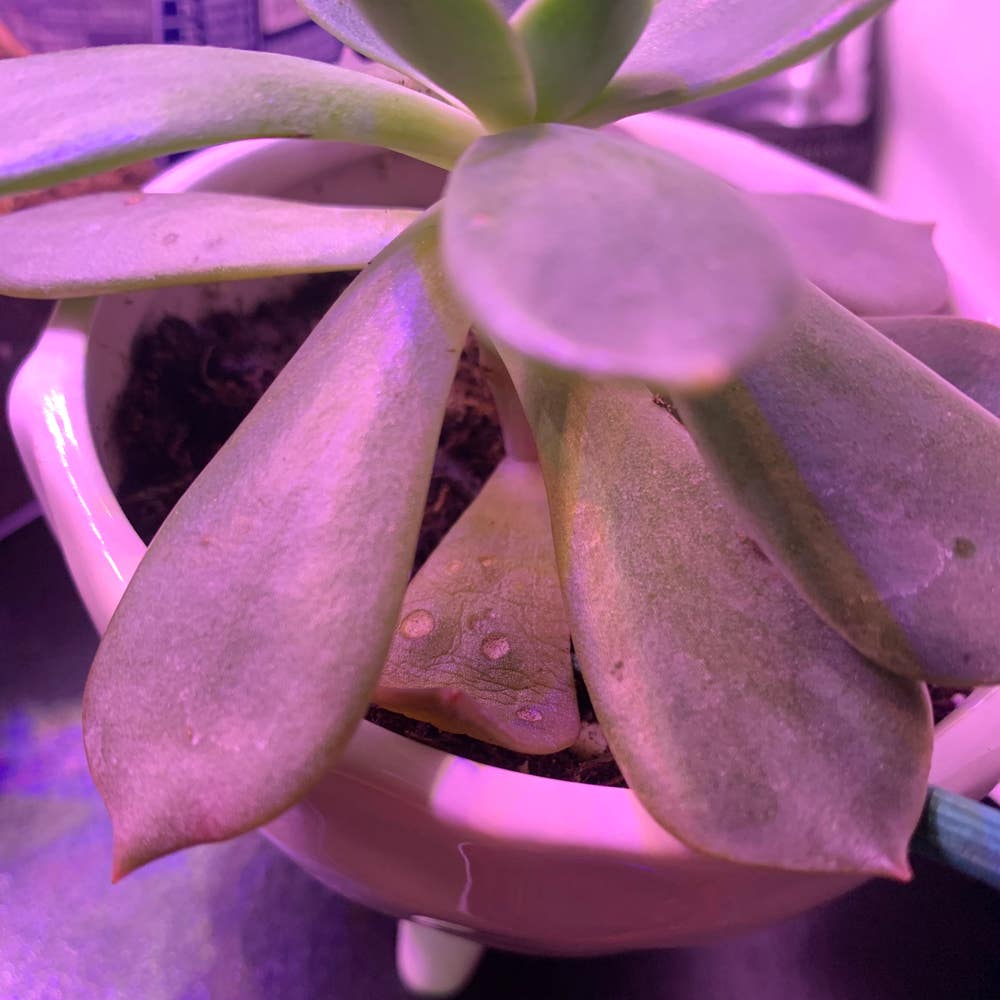
Heat stress can be a real challenge for your Echeveria. One of the first signs is wilting leaves, which indicates a loss of turgor pressure, giving them a drooping appearance.
Another telltale sign is leaf discoloration. You might notice fading colors or browning edges, which signal that your plant is struggling.
Lastly, leaf drop can occur as a stress response. This is when the lower leaves start shedding, a natural way for the plant to conserve resources.
Symptoms of Cold Stress ❄️
Cold stress presents its own set of symptoms. Similar to heat stress, you may see wilting, but this time the leaves might feel mushy to the touch.
Leaf discoloration is also common, often manifesting as darkening or browning, especially at the tips. This change can be alarming, but it's a clear indicator that your plant is feeling the chill.
Finally, leaf drop can happen prematurely in colder conditions. If you notice leaves falling off unexpectedly, it’s a sign that your Echeveria is not happy with the temperature.
Recognizing these symptoms early can help you take action to protect your plant. Next, let’s explore the causes of temperature stress and how to prevent it.
Causes of Temperature Stress
🌡️ Environmental Factors
Sudden temperature fluctuations can shock your Echeveria, leading to stress. Rapid changes, whether hot or cold, can throw the plant off balance.
Inadequate protection from extreme temperatures is another culprit. Without proper shelter, your plant may struggle against harsh heat or biting cold.
Poor ventilation can exacerbate temperature issues. Stagnant air around your Echeveria can trap heat, making it harder for the plant to thrive.
❌ Common Mistakes
Overexposure to direct sunlight during peak hours is a common mistake. This can lead to overheating, causing irreversible damage to your plant.
Neglecting to bring your Echeveria indoors during cold snaps can have dire consequences. Frost damage can occur quickly, leaving your plant vulnerable.
Inconsistent temperature monitoring is another pitfall. Failing to adjust care based on temperature changes can lead to stress that could have been easily avoided.
Understanding these causes can help you provide better care for your Echeveria. By being mindful of environmental factors and common mistakes, you can create a more stable and nurturing environment for your plant.
Next, let’s explore the signs of temperature stress to ensure your Echeveria remains healthy and vibrant.
Seasonal Temperature Considerations
Temperature Changes Through the Seasons 🌡️
Spring is a time of renewal for your Echeveria. The temperatures are ideal for growth, with a gradual warming that encourages new leaves and vibrant colors.
As summer rolls in, keep a close eye on your plants. They can handle heat, but monitoring for signs of heat stress is crucial; providing shade during peak hours can make a big difference.
When fall arrives, it's time to prepare for cooler temperatures. Gradual acclimatization helps your Echeveria adjust, ensuring a smoother transition into winter.
Winter demands special attention. Indoor care becomes essential to avoid frost exposure, which can be detrimental to your succulent.
Adjusting Care Based on Seasonal Temperature Shifts 🔄
Watering needs change with the seasons. In cooler months, reduce frequency; in warmer months, your Echeveria will appreciate a bit more moisture.
Placement adjustments are also key. Move pots indoors or to sheltered areas during cold spells to protect them from harsh conditions.
Lastly, regular monitoring of plant health is vital throughout the seasons. Keep an eye out for any signs of stress, and be proactive in your care to ensure your Echeveria thrives year-round.
With these seasonal considerations in mind, you can create an optimal environment for your Echeveria, setting the stage for healthy growth and resilience. Next, let’s explore the geographic considerations that can further enhance your plant care strategy.
Geographic Considerations
Best Climates for Growing 🌵
Echeveria thrives best in arid and semi-arid climates where warm temperatures prevail. Specifically, USDA zones 9-11 are ideal for outdoor cultivation, providing the right balance of heat and dryness.
Indoor vs. Outdoor Temperature Management 🌡️
When growing Echeveria indoors, it's crucial to maintain stable temperatures and avoid drafts. This helps create a cozy environment that mimics their natural habitat.
For outdoor care, providing shade during extreme heat is essential to prevent overheating. Additionally, protecting your plants from frost is vital during colder months.
Importance of Acclimatization 🌱
Acclimatization is key for indoor plants transitioning outdoors. Gradually exposing them to outdoor conditions helps reduce stress and promotes healthy growth.
By understanding these geographic considerations, you can create the perfect environment for your Echeveria to flourish. Next, let’s explore how seasonal temperature shifts impact their care.
⚠️ Safety First
This content is for general information and may contain errors, omissions, or outdated details. It is not medical, veterinary advice, or an endorsement of therapeutic claims.
Always consult a qualified healthcare professional before using any plant as food, medicine, or supplement.
Never eat any plant (or feed one to pets) without confirming its identity with at least two trusted sources.
If you suspect poisoning, call Poison Control (800) 222-1222, the Pet Poison Helpline (800) 213-6680, or your local emergency service immediately.
Spotted an error? Please report it here.
Keep your Echeveria thriving year-round 🌞 by using Greg's tailored temperature alerts to navigate seasonal changes and prevent stress!