🌞 Is My Echeveria prolifica Getting Too Much Direct Sunlight?
Echeveria prolifica
By the Greg Editorial Team
Jun 18, 2024•4 min read
This article was created with the help of AI so we can cover more plants for you. May contain errors. See one? Report it here.
Shield your Echeveria from sunburn and master its ideal sunbathing routine for lush growth! 🌵☀️
- Sunburn and wilting indicate too much sun; ideal color and growth signal healthy sun exposure.
- Window direction matters: North for gentle light, South for intensity, adjust per hemisphere.
- Morning light is best, use sheer curtains for midday; seasonally adjust Echeveria's sunbathing.
Spotting the Signs: Is Your Echeveria Sunbathing Too Much?
🌞 Telltale Symptoms of Too Much Sun
- Sunburn spots on leaves
- Discoloration and fading
- Curling or wilting leaves
Happy Sun Signs
- Ideal leaf coloration
- Compact growth patterns
- Flowering and healthy new growth

Spotting the Signs: Is Your Echeveria Sunbathing Too Much?
🌞 Telltale Symptoms of Too Much Sun
Echeveria prolifica loves the limelight, but too much can turn it into a crispy critter. Here's the scoop:
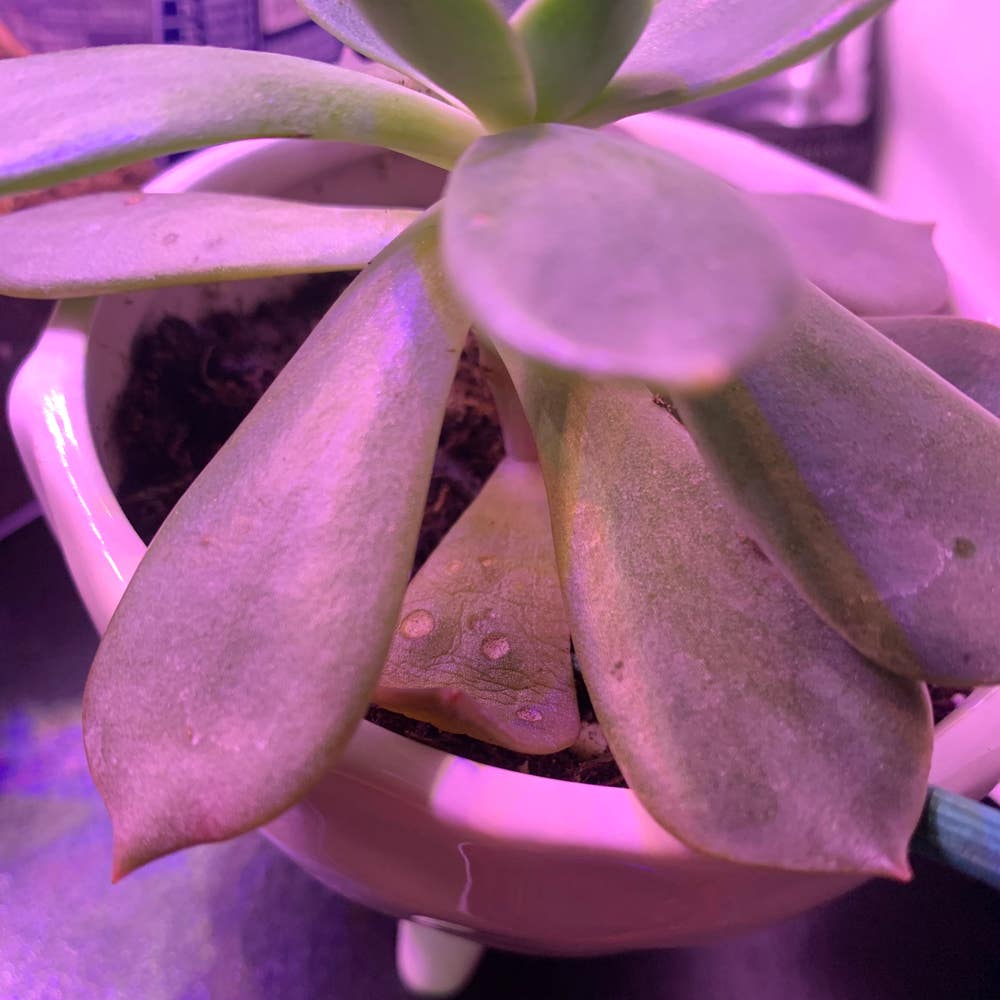
- Sunburn spots: Your succulent's leaves might look like they've had a day too long at the beach, with white, yellow, or even brown patches. Like a bad tan, these are signs that your green buddy is getting scorched.
- Discoloration and fading: If your plant's leaves are fading faster than your favorite jeans, it's a red flag. Leaves losing their lush green hue and turning pale are crying out for some shade.
- Curling or wilting leaves: When leaves start to curl up or droop like they've just heard bad news, it's time to rethink your plant's sunbathing habits.
Happy Sun Signs
But it's not all doom and gloom. Here's how to tell if your Echeveria is soaking up the perfect amount of sunshine:
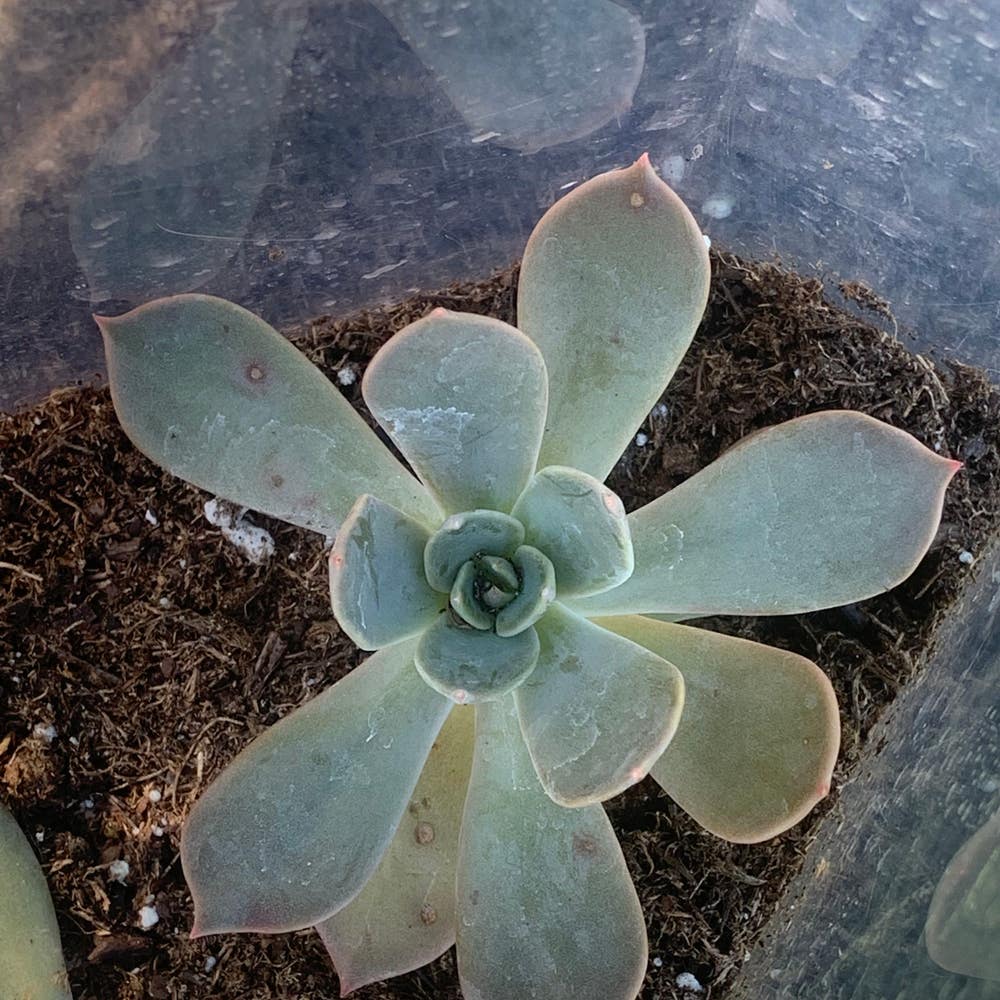
- Ideal leaf coloration: When your Echeveria's leaves boast a vibrant, even color, it's a sign they're basking in just the right amount of light. Think of it as the plant version of a healthy glow.
- Compact growth patterns: If your Echeveria is growing tighter than a well-planned city, with no awkward stretching, it's happy with its spot.
- Flowering and healthy new growth: Spotting flowers or new leaves popping up like notifications on your phone? That's your Echeveria giving you a green thumbs up for the sunlight schedule.

The Perfect Spot: Where to Place Your Echeveria
🌞 Window Direction Decoded
Finding the ideal spot for your Echeveria prolifica is like choosing the best seat at a concert; location is key.
🧭 North vs. South: The Sunlight Showdown
North-facing windows are the introverts of the window world – they offer consistent but gentle light. Your Echeveria will avoid the harsh glare of the sun, but may miss out on some much-needed rays. On the flip side, south-facing windows are the life of the party, blasting your succulent with intense sunlight that can lead to a nasty sunburn.
🌅 East or West: Catching the Gentle Rays
East-facing windows are the morning coffee of sunlight – warm and energizing without the jitters. Your Echeveria gets a soothing start with the soft morning light. West-facing windows, though? They're the afternoon espresso – strong and sometimes too much, delivering a harsher dose of sun when the day heats up.
Hemisphere Hacks
Your global address changes the game. If you're chilling in the Northern Hemisphere, south-facing windows are your Echeveria's best friend, offering that full-sun experience without a passport. Down in the Southern Hemisphere? Flip it and reverse it – north-facing windows are where it's at.
Remember, your Echeveria isn't just a plant – it's a sun-chaser, and you're the one planning its itinerary. Keep it moving with the seasons, and you'll have a happy, photosynthesizing travel buddy.

Sunlight Schedule: Timing is Everything
🌅 Morning Glory: Welcoming the Early Rays
Morning light works wonders for your Echeveria prolifica. It's like a gentle alarm clock that eases your plant into photosynthesis without the harsh glare. East-facing windows are prime real estate for this kind of tender sunlight.
🌇 Afternoon Siesta: Avoiding the Midday Intensity
The midday sun is the big bad of the sunlight world, especially in summer. It's not just about the brightness; it's the heat. Think of it as nature's way of telling your Echeveria to take a siesta. A sheer curtain during these hours can be the difference between a thriving plant and a sunburnt one.
Shielding Strategies: Protecting Your Echeveria
🎨 Creative Coverings
Sheer curtains and blinds aren't just for your privacy; they're your Echeveria's sunscreen. They filter out the harsh midday glare while letting in that soft, succulent-friendly light. It's like giving your plant a pair of sunglasses, letting it enjoy the daylight without the risk of a nasty sunburn.
🌦 Seasonal Shifts
The sun's path isn't static, and neither should your plant care be. As the seasons change, your Echeveria's exposure needs to pivot. Winter calls for a cozy spot that catches those rare rays, while summer demands a retreat from the solar spotlight. It's a dance with the sun, and you're leading.
🌿 Transitioning to the Great Outdoors
Dreaming of moving your Echeveria outside? Start slow. Begin with a few hours of morning sun and gradually increase its time in the great outdoors. It's like acclimating to a cold pool—one toe at a time. This gradual introduction helps prevent the shock of full exposure, ensuring your plant doesn't go from pampered to parched.
⚠️ Safety First
This content is for general information and may contain errors, omissions, or outdated details. It is not medical, veterinary advice, or an endorsement of therapeutic claims.
Always consult a qualified healthcare professional before using any plant as food, medicine, or supplement.
Never eat any plant (or feed one to pets) without confirming its identity with at least two trusted sources.
If you suspect poisoning, call Poison Control (800) 222-1222, the Pet Poison Helpline (800) 213-6680, or your local emergency service immediately.
Spotted an error? Please report it here.
Keep your Echeveria perfectly sun-kissed 🌞 with Greg's PlantVision to identify the ideal window direction and season-specific care reminders.