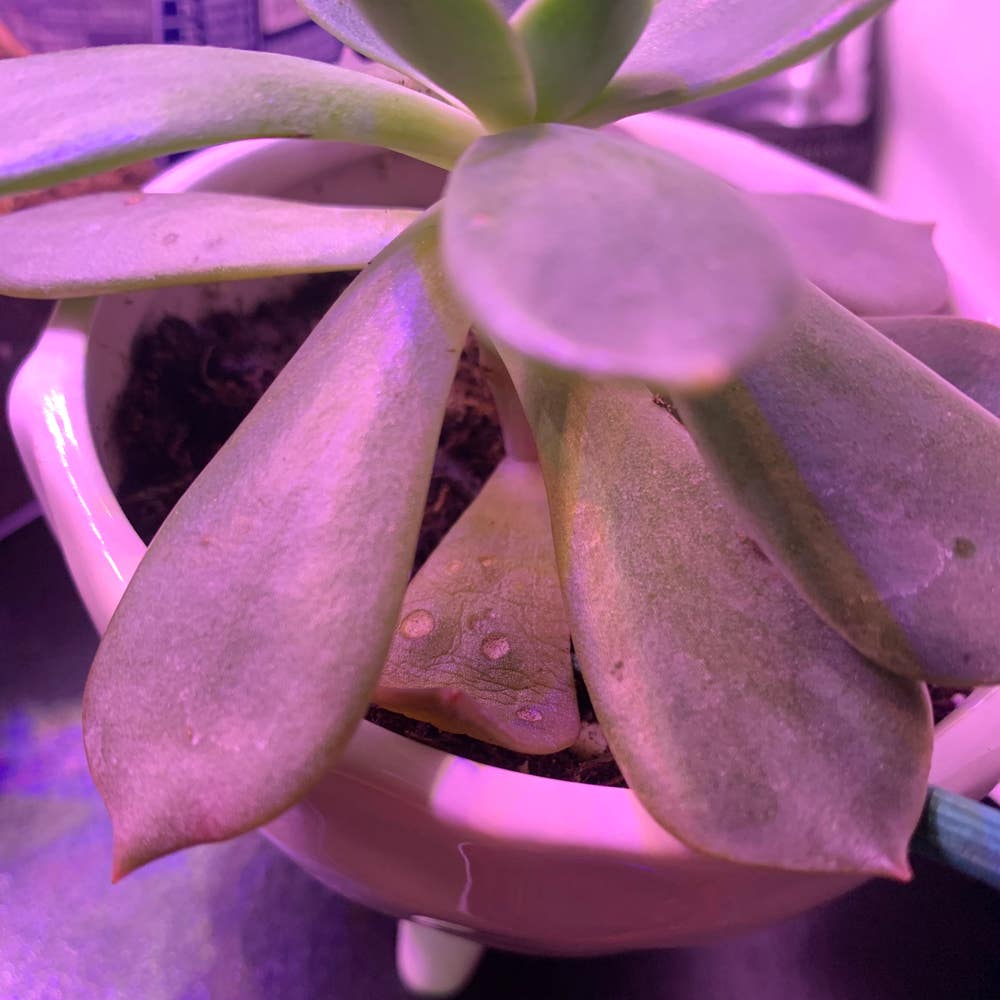
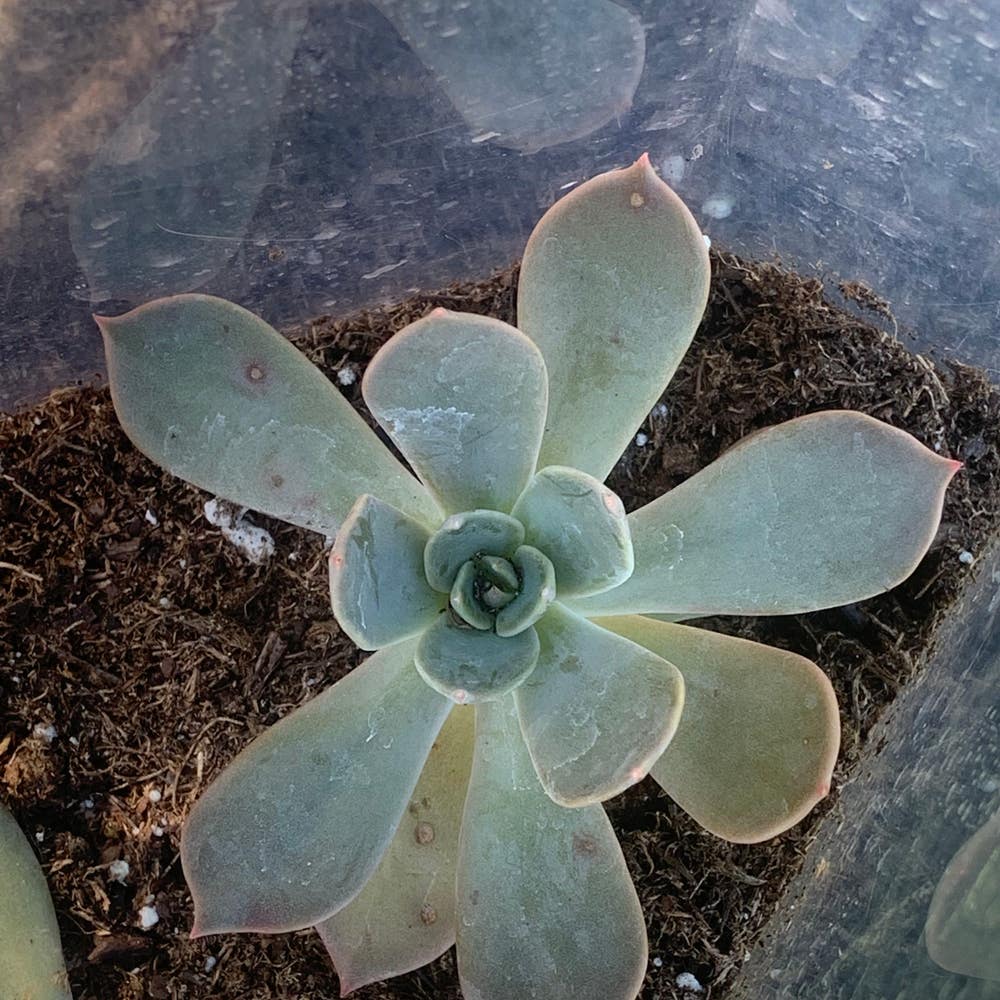
✂️ 8 Tips for Pruning Prolific Echeveria
Echeveria prolifica
By the Greg Editorial Team
Sep 30, 2024•5 min read
This article was created with the help of AI so we can cover more plants for you. May contain errors. See one? Report it here.
Transform your Echeveria's health and beauty 🌱 with essential pruning tips for vibrant growth and stunning displays!
- ✂️ Pruning Echeveria promotes healthier growth and prevents overcrowding for vibrant plants.
- 🌬️ Improved air circulation and light reduce fungal diseases—prune regularly for best results.
- 🌼 Well-pruned Echeveria enhances visual appeal, making it a stunning home or garden feature.
Importance of Pruning for Plant Health
🌱 Benefits of Pruning Echeveria
Pruning your Echeveria isn’t just a chore; it’s essential for its health. Regular pruning encourages healthier growth and prevents overcrowding, allowing your plant to thrive.
Better air circulation and light penetration are crucial for Echeveria. By removing excess leaves, you help the plant absorb more sunlight and reduce the risk of fungal diseases.
A well-pruned Echeveria is also visually appealing. It enhances the aesthetic charm of your plant, making it a standout feature in your home or garden.
✂️ Managing Offsets
Managing offsets through pruning is key to maintaining a healthy Echeveria. These little offshoots can crowd the main plant, so it’s important to prune them thoughtfully.
Timing is everything when it comes to offset removal. Aim to prune offsets during the growing season to promote healthier growth and ensure your Echeveria remains vibrant and robust.
By understanding the importance of pruning, you set the stage for a flourishing Echeveria. Next, let’s explore the best tools to make your pruning process efficient and effective.
Best Tools for Pruning Echeveria
Essential Pruning Tools 🛠️
When it comes to pruning Echeveria, having the right tools is crucial. Start with sharp, clean pruning shears; they ensure a clean cut and help prevent disease.
Tweezers are also handy for delicate leaf removal. They allow you to target specific areas without damaging surrounding leaves.
Don't forget to wear gloves! Echeveria leaves can be sharp, so protecting your hands is essential while you work.
Tool Maintenance 🧼
Maintaining your tools is just as important as having them. Regular cleaning and sterilization keep your shears and tweezers effective and disease-free.
Proper storage is key to prolonging the life of your tools. Store them in a dry place to prevent rust and ensure they're always ready for your next pruning session.
With the right tools and maintenance, you'll be well-equipped to keep your Echeveria thriving. Now, let’s dive into the step-by-step pruning process!
Step-by-Step Pruning Process
🛠️ Preparing for Pruning
Pruning your Echeveria is a straightforward process that sets the stage for healthy growth. Start by gathering your necessary tools and materials, ensuring you have everything at hand.
Next, inspect your plant carefully to identify areas that need attention. Look for dead leaves or overcrowded rosettes that could benefit from a trim. Choose a clean, dry day for pruning; this helps prevent disease and ensures a smooth process.
✂️ Pruning Techniques
Once you're ready, it’s time to dive into the actual pruning techniques. Begin by identifying dead or damaged leaves. Look for signs like discoloration or wilting, which indicate that these leaves need to go.
Remove these leaves at the base, cutting cleanly to avoid tearing the plant. This helps the Echeveria heal faster and promotes new growth.
Next, trim any offsets. Cut them at the base, ensuring some roots remain attached. This encourages healthy propagation and keeps your plant looking tidy.
Finally, focus on shaping the plant. Aim to maintain a balanced rosette shape, which not only enhances its aesthetic appeal but also promotes better air circulation and light penetration.
With these steps, your Echeveria will thrive, setting the stage for a vibrant display. Now that your plant is pruned and shaped, let’s explore the importance of deadheading to further enhance its growth.
Common Pruning Mistakes
✂️ Over-Pruning: Signs and Consequences
Over-pruning can be a sneaky mistake that many plant lovers make. Look for signs like leaf loss and stunted growth; these indicate your Echeveria might be struggling.
The consequences of over-pruning are serious. A weakened plant becomes more susceptible to diseases, which can lead to further issues down the line.
🌱 Under-Pruning: Identifying Neglected Plants
On the flip side, under-pruning can also harm your Echeveria. Signs of neglect include overcrowded rosettes and poor air circulation, which can suffocate your plant.
The risks here are equally concerning. Increased pest infestations and diseases can thrive in an overcrowded environment, putting your plant's health at risk.
🔧 Correcting Pruning Errors
If you've over-pruned, don’t panic. Start by assessing the plant's health and adjust your care routine to help it recover.
For under-pruning, take a gradual approach. Trim back some of the excess foliage to restore balance without overwhelming the plant.
By being mindful of these common mistakes, you can keep your Echeveria thriving and beautiful. Next, let’s explore the essential aftercare needed post-pruning to ensure your plant bounces back strong.
Post-Pruning Care
🌱 Aftercare for Pruned Echeveria
After pruning your Echeveria, proper aftercare is crucial for its recovery. Start by allowing the soil to dry out completely before watering again, as this helps prevent root rot.
Light fertilization can also support recovery. Use a diluted, balanced fertilizer to give your plant a gentle boost without overwhelming it.
👀 Monitoring Plant Health Post-Pruning
Keep an eye on your plant for signs of healthy recovery. Look for new growth and vibrant colors, which indicate that your Echeveria is bouncing back.
Regular inspections are essential to catch any pests or diseases early. A proactive approach will help maintain your plant's health.
🚨 Signs of Stress and Recovery
Identifying stress signals is key to effective care. Watch for wilting or discoloration, which can indicate that your plant is struggling.
On the flip side, new leaf growth and robust offsets are positive signs of recovery. Celebrate these indicators as proof that your pruning efforts were successful!
With attentive care, your Echeveria will thrive and continue to bring beauty to your space. Next, let’s explore common pruning mistakes to avoid for a healthier plant.
⚠️ Safety First
This content is for general information and may contain errors, omissions, or outdated details. It is not medical, veterinary advice, or an endorsement of therapeutic claims.
Always consult a qualified healthcare professional before using any plant as food, medicine, or supplement.
Never eat any plant (or feed one to pets) without confirming its identity with at least two trusted sources.
If you suspect poisoning, call Poison Control (800) 222-1222, the Pet Poison Helpline (800) 213-6680, or your local emergency service immediately.
Spotted an error? Please report it here.
Transform your Echeveria into a stunning centerpiece 🌿 with Greg's tailored pruning reminders and expert tips to keep it healthy and thriving!