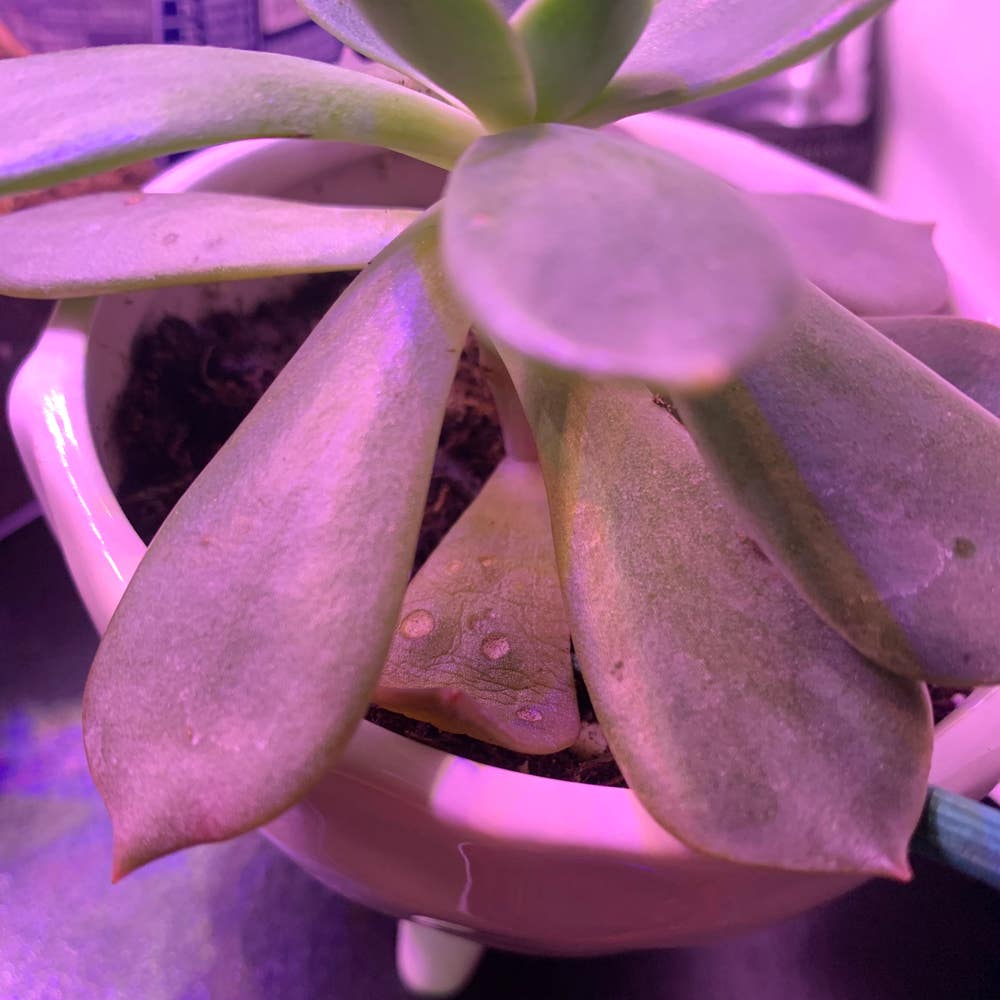
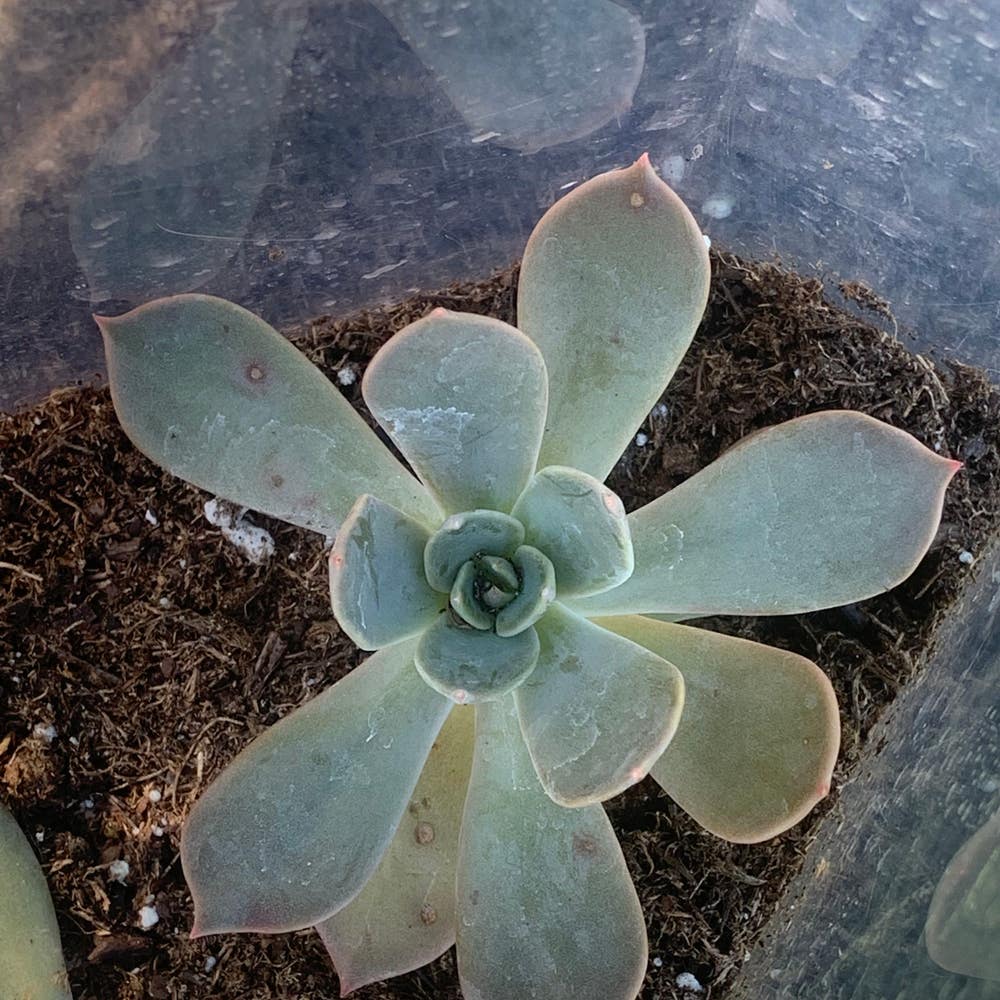
🔍 What to Do About Brown Spots on Your Echeveria
Echeveria prolifica
By the Greg Editorial Team
Sep 30, 2024•6 min read
This article was created with the help of AI so we can cover more plants for you. May contain errors. See one? Report it here.
Transform your Echeveria's health by learning to prevent and treat brown spots effectively! 🌿
- 🌱 Brown spots indicate issues like overwatering, sunburn, or pests—inspect regularly!
- 💧 Adjust watering based on season to prevent dehydration or root rot.
- 🌞 Position in bright, indirect light to avoid sunburn and promote healthy growth.
Causes of Brown Spots
💧 Overwatering and Root Rot
Brown spots on your Echeveria can often signal overwatering. Look for yellowing leaves and a mushy texture, which indicate excess moisture in the soil leading to root rot.
To prevent this, ensure you use well-draining soil and pots with drainage holes. This simple step can save your plant from a soggy demise.
🚰 Underwatering and Leaf Dehydration
On the flip side, underwatering can also cause brown spots. If you notice crispy, shriveled leaves with brown edges, your plant might be suffering from dehydration.
Establishing a consistent watering schedule based on environmental conditions can help keep your Echeveria hydrated and happy.
☀️ Sunburn and Excessive Light Exposure
Excessive light exposure can lead to sunburn, manifesting as brown, crispy patches on the leaves, especially on the top side. If your plant is getting too much direct sunlight for prolonged periods, it’s time to rethink its placement.
Providing filtered light or partial shade during peak sun hours can protect your Echeveria from this damage.
🐛 Pest Infestations
🧼 Mealybugs
Mealybugs can be a sneaky culprit behind brown spots. Look for cotton-like masses on leaves, which can lead to discoloration.
Regular inspection and treatment with insecticidal soap can help keep these pests at bay.
🐜 Aphids
Aphids are another pest to watch out for. They cause distorted leaves and leave a sticky residue, leading to further discoloration.
Applying neem oil and maintaining plant hygiene can effectively control these pesky invaders.
🦠 Fungal Infections and Diseases
Fungal infections can also cause brown spots, often appearing as dark spots with a yellow halo. These infections thrive in overly moist conditions and poor air circulation.
To prevent fungal issues, use fungicides and ensure proper spacing between your plants for better airflow.
Understanding these causes is crucial for maintaining the health of your Echeveria. With the right care, you can keep those brown spots at bay and enjoy a thriving succulent!
Diagnosing Brown Spots
🌧️ Identifying Symptoms of Overwatering
Overwatering is a common issue for Echeveria. Look for yellowing leaves and a mushy texture, which are clear indicators that your plant is suffering.
Before watering, always check the soil moisture levels. This simple step can prevent further damage and keep your plant healthy.
☀️ Recognizing Signs of Sunburn
Sunburn can also cause brown spots on your Echeveria. Observe for brown patches primarily on the upper leaves, as these are the most exposed to sunlight.
Assess how long your plant is in direct light each day. If it's too much, consider relocating it to a spot with filtered light.
🐛 Differentiating Between Pest Damage and Disease
Identifying the cause of brown spots is crucial. Inspect your plant for visible pests, such as mealybugs or aphids, which can lead to discoloration.
If you notice discoloration patterns typical of diseases, use a magnifying glass to spot small pests hiding in the foliage. This can help you determine the right treatment.
🌬️ Assessing Environmental Factors Affecting Echeveria
Environmental factors play a significant role in your plant's health. Evaluate the light conditions: Is your Echeveria receiving too much direct sunlight?
Also, check the humidity levels in your environment. Too much humidity can lead to fungal issues, while too little can cause dehydration. Adjust these factors to create a healthier space for your plant.
Understanding these diagnostic steps will empower you to take action and restore your Echeveria's health. Next, let’s explore effective treatment options to address those pesky brown spots.
Treatment Options
Adjusting Watering Practices 🌊
Establishing a consistent watering schedule is crucial for your Echeveria's health. Aim to water based on the season and humidity levels, ensuring the soil dries out between waterings.
Improving Drainage and Soil Conditions 🏞️
Using a well-draining soil mix, such as cactus mix, is essential. You can also enhance drainage by adding perlite or sand to the mix.
Treating Pests with Insecticidal Soap or Neem Oil 🐛
For pest control, apply insecticidal soap according to the package instructions. Repeat this treatment every 7-10 days until you see no more pests.
Addressing Fungal Infections with Fungicides 🍄
Choose a suitable fungicide specifically designed for succulents. Apply it as directed, making sure to cover all affected leaves evenly.
Pruning Affected Leaves ✂️
When you notice damaged leaves, use clean, sharp scissors to prune them away. Dispose of the cuttings properly to prevent the spread of disease.
By following these treatment options, you can effectively manage brown spots on your Echeveria and promote its overall health. Next, let’s explore preventive measures to keep your plant thriving.
Preventive Measures
💧 Optimal Watering Schedule
To keep your Echeveria thriving, water it every 1-2 weeks. Adjust this frequency based on seasonal changes and humidity levels to prevent overwatering or underwatering.
☀️ Ideal Light Conditions and Placement
Position your Echeveria in bright, indirect light. Avoid direct sunlight during peak hours to protect the leaves from sunburn.
🌱 Soil Selection and Potting Tips
Choose a cactus or succulent mix for optimal growth. Ensure your pots have drainage holes to prevent excess moisture buildup.
🔍 Regular Inspection for Pests and Diseases
Make it a habit to check your plants weekly for any signs of pests or diseases. Remove debris or dead leaves that could harbor unwanted pests.
🍂 Seasonal Care Adjustments
During winter, adjust your watering frequency as the plant's growth slows. Keep an eye on changes in light exposure as the seasons shift, ensuring your Echeveria gets the right amount of light year-round.
By implementing these preventive measures, you can significantly reduce the risk of brown spots and keep your Echeveria healthy and vibrant. Next, let’s explore how to monitor your plant's recovery and ongoing care practices.
Aftercare and Monitoring
Signs of Recovery 🌱
Keep an eye out for new growth emerging from the center of your Echeveria rosette. This is a positive indicator that your plant is bouncing back.
Improved leaf color and texture are also good signs. Healthy leaves should appear vibrant and firm, signaling that your care is paying off.
Ongoing Care Practices to Maintain Health 🌿
Continue with regular watering and adjust light exposure as needed. Consistency is key to keeping your Echeveria thriving.
During the growing season, consider fertilizing with a diluted succulent fertilizer. This will provide essential nutrients and support healthy growth.
When to Seek Professional Help 🆘
If brown spots persist despite your best treatment efforts, it may be time to consult a professional. Persistent issues can indicate deeper problems that require expert intervention.
Severe pest infestations that are tough to manage also warrant professional assistance. Don’t hesitate to reach out if your plant's health is at stake.
Maintaining vigilance and adapting your care routine will help ensure your Echeveria remains healthy and beautiful. Next, let’s explore preventive measures to keep brown spots at bay.
⚠️ Safety First
This content is for general information and may contain errors, omissions, or outdated details. It is not medical, veterinary advice, or an endorsement of therapeutic claims.
Always consult a qualified healthcare professional before using any plant as food, medicine, or supplement.
Never eat any plant (or feed one to pets) without confirming its identity with at least two trusted sources.
If you suspect poisoning, call Poison Control (800) 222-1222, the Pet Poison Helpline (800) 213-6680, or your local emergency service immediately.
Spotted an error? Please report it here.
Keep your Echeveria vibrant and healthy 🌿 by using Greg's tailored watering reminders and pest control tips to tackle those pesky brown spots!