🌞 Your Echeveria prolifica's Sunlight Needs
Echeveria prolifica
By the Greg Editorial Team
Jun 18, 2024•3 min read
This article was created with the help of AI so we can cover more plants for you. May contain errors. See one? Report it here.
Nurture your Echeveria prolifica to vibrant health and blooms with the ultimate sunlight guide. 🌞🌱
- 4-5 hours of morning sun needed for Echeveria prolifica.
- 🌞 Gradual sun acclimation prevents sunburn; rotate for even light.
- Bright, indirect light triggers blooms; use grow lights as needed.
Basking in the Great Outdoors: Sunlight Needs for Echeveria prolifica
🌞 Finding the Sweet Spot
Echeveria prolifica demands its sunbathing time—think four to five hours of bright light daily. But it's not about frying under the midday sun. Morning light is your ally, offering the intensity without the burn. As the seasons change, so does the sun's temper. Summer might call for a parasol of partial shade, while winter is all about soaking up every ray.
🌅 Transitioning to the Sun
Acclimating your succulent to the great outdoors isn't a sprint; it's a leisurely stroll. Start with dappled shade and incrementally introduce it to more light. Sunburn isn't just a human hassle—brown spots on your plant's leaves are the tell-tale sign it's had too much. Prevention? A gradual tan is better than a burn. And if the mercury spikes, consider temporary shade—your plant will thank you.

Thriving Indoors: Making the Sun Come to You
🌞 Window Wisdom
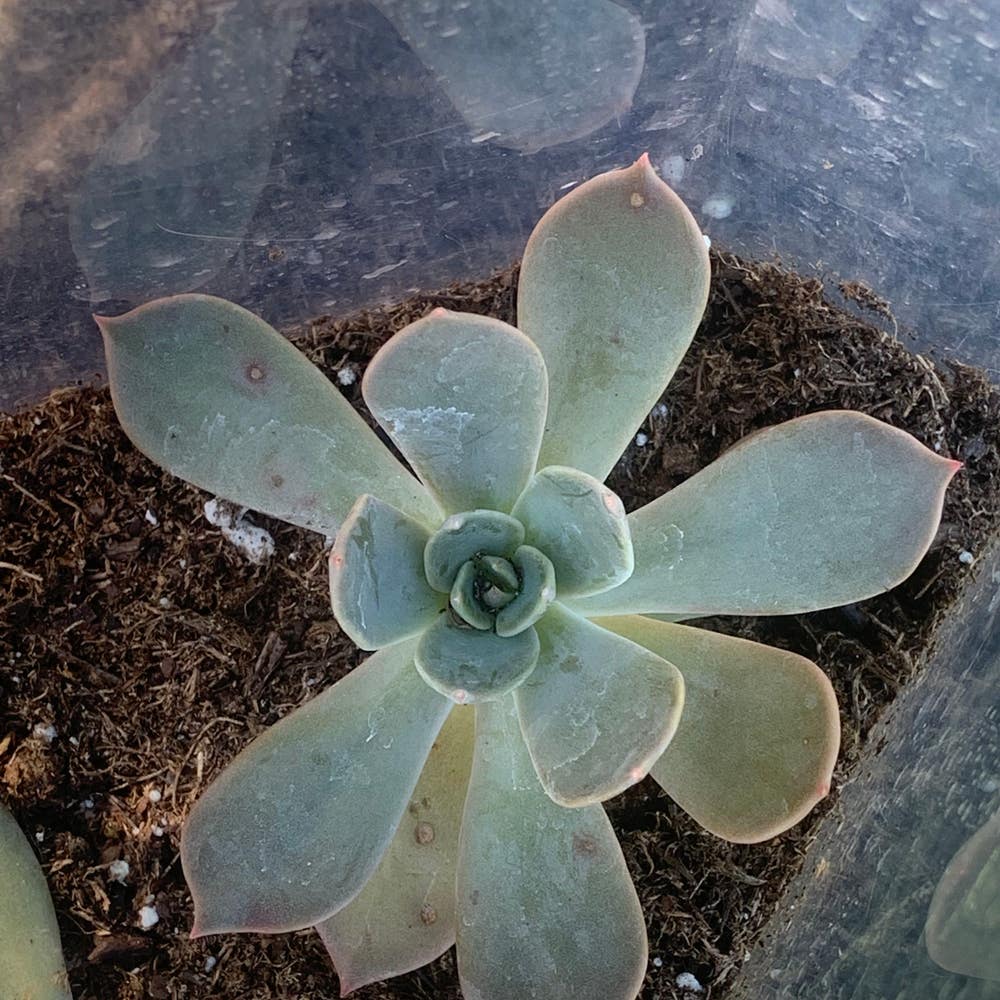
Echeveria prolifica craves bright sunlight indoors to maintain its vibrant colors and tight rosette shape. East-facing windows are the gold standard, offering a buffet of gentle morning rays without the harsh midday sun. But don't dismiss west-facing windows; they're the afternoon ticket to sun-loving bliss, especially when tempered with sheer curtains to prevent leaf scorch.
As the seasons wheel by, your succulent's light needs do the tango with the shifting sun. Rotate your plant periodically to ensure even exposure and prevent etiolation, where the plant stretches towards the light source. In winter, when the sun plays hard to get, cozying your Echeveria up to the glass can help it soak in every precious photon.
💡 The Glow-Up with Grow Lights
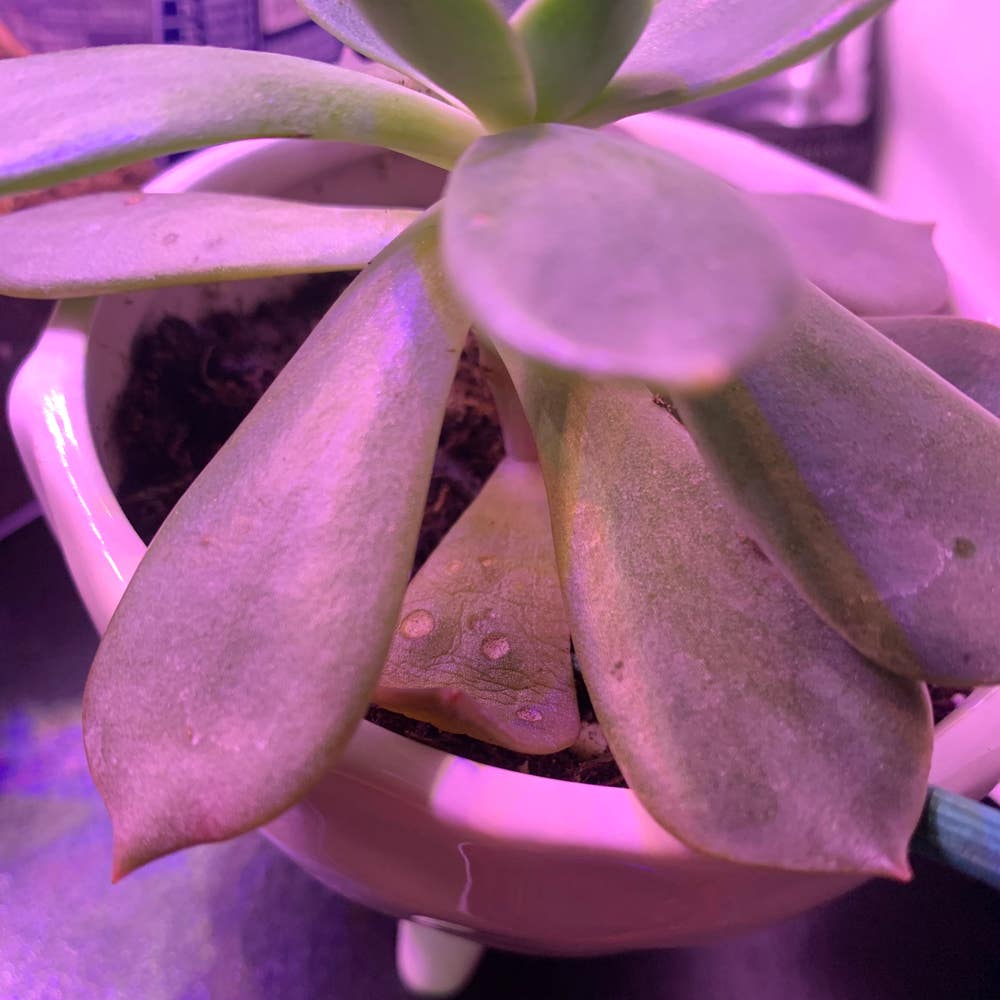
When the sun's a no-show, grow lights are the MVP. LED grow lights are a solid pick, offering a spectrum of light that mimics the sun's warmth without the UV burn. Use them to pump up your Echeveria's light diet, especially during the darker months or in rooms where daylight is as rare as a polite internet debate.
Timing is everything—12 to 14 hours of artificial light should do the trick, mimicking the natural day cycle. But remember, your plant doesn't need a 24/7 light party. It needs its beauty sleep, too. A timer can be your best friend here, automating the sunrise and sunset in your indoor garden.

Let There Be Blooms: Light's Role in Flowering
🌸 Triggering the Flower Power
Echeveria prolifica is a sun worshipper that needs just the right amount of light to burst into bloom. To induce flowering, aim for bright, indirect light that mimics the intensity of its natural habitat.
- Bright, indirect light is the sweet spot for triggering Echeveria prolifica blooms.
- Adjust light exposure to encourage flowering, but avoid direct midday sun that can scorch the leaves.
🌅 Adjusting Light Exposure to Encourage Blooms
As the seasons change, so should your approach to lighting. Shorter days in winter may require a boost from grow lights, while summer demands some shade to prevent sunburn.
- Use grow lights to supplement shorter daylight hours in winter.
- Provide shade during the harshest summer rays to protect your Echeveria prolifica.

⚠️ Safety First
This content is for general information and may contain errors, omissions, or outdated details. It is not medical, veterinary advice, or an endorsement of therapeutic claims.
Always consult a qualified healthcare professional before using any plant as food, medicine, or supplement.
Never eat any plant (or feed one to pets) without confirming its identity with at least two trusted sources.
If you suspect poisoning, call Poison Control (800) 222-1222, the Pet Poison Helpline (800) 213-6680, or your local emergency service immediately.
Spotted an error? Please report it here.
Let Greg simplify 🌞 your Echeveria prolifica's care by tracking light exposure and sending reminders to rotate or shade your plant for optimal growth.