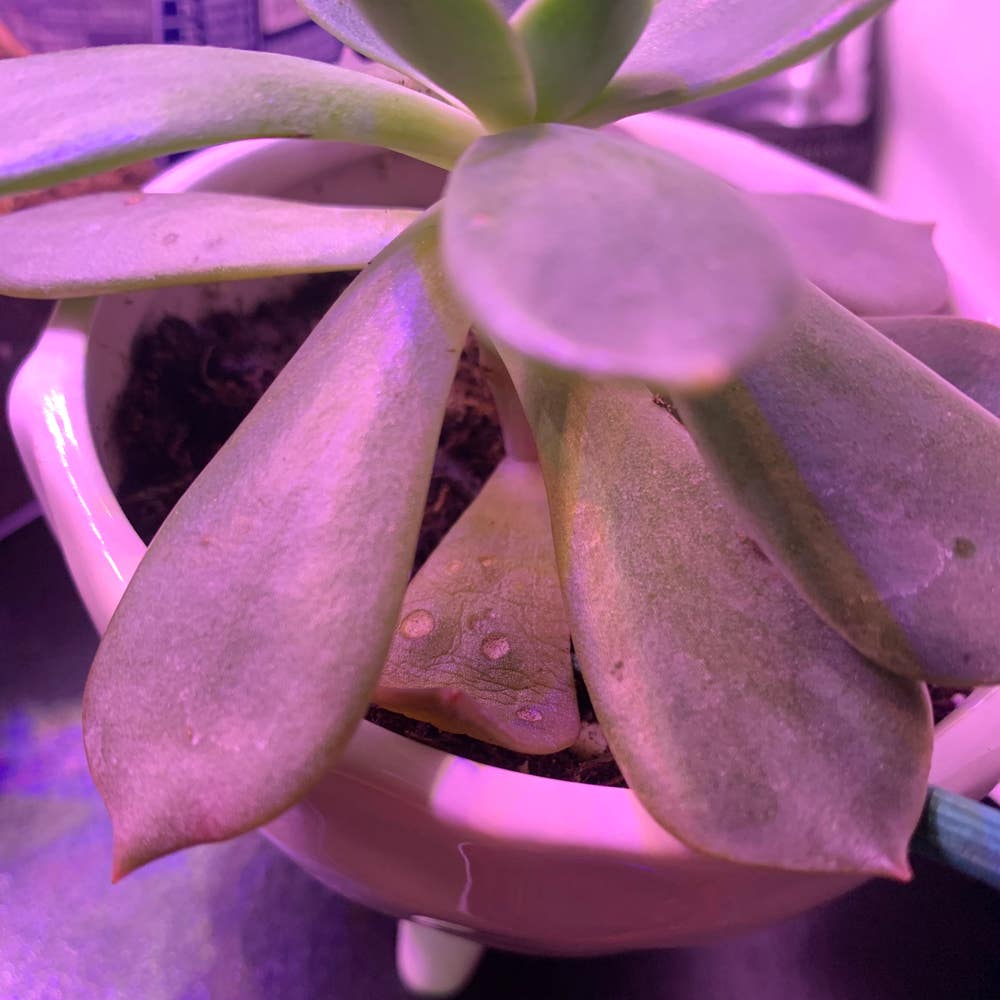
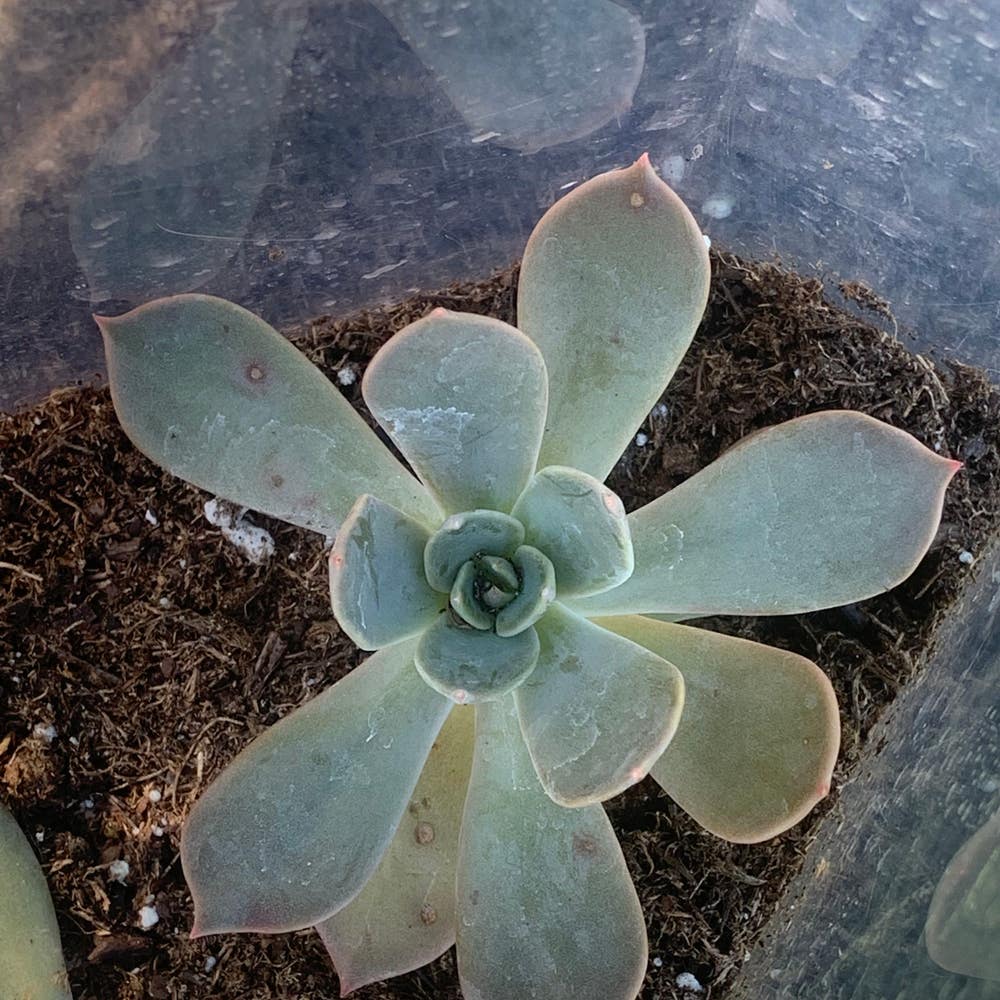
🔍 How to Fix Black Spots on Your Echeveria
Echeveria prolifica
By the Greg Editorial Team
Sep 30, 2024•5 min read
This article was created with the help of AI so we can cover more plants for you. May contain errors. See one? Report it here.
Revive your Echeveria and banish black spots for good with these expert care tips! 🌿✨
- 🌱 Black spots arise from fungal, bacterial infections, pests, or environmental stress.
- 💧 Overwatering and poor drainage lead to bacterial issues; adjust your watering schedule.
- 🌞 Bright, indirect sunlight and good air circulation prevent black spots on Echeveria.
Causes of Black Spots
🦠 Fungal Infections
Fungal infections are a common culprit behind black spots on Echeveria. The most prevalent fungi affecting these plants are Botrytis and powdery mildew.
High humidity and poor air circulation create ideal conditions for these fungi to thrive. Symptoms typically include dark, water-soaked spots that can spread rapidly if not addressed.
🦠 Bacterial Infections
Bacterial infections also lead to unsightly black spots. The main bacteria involved are Erwinia and Pseudomonas.
These infections manifest as black spots with a wet, mushy texture. Overwatering and poor drainage are conditions that favor bacterial growth, making it crucial to monitor your watering habits.
🐛 Pest Infestations
Pests can contribute to the appearance of black spots as well. Common offenders include mealybugs and aphids.
These pests secrete honeydew, which can lead to black spots on the leaves. Look for sticky residue and visible pests to identify an infestation early.
🌧️ Environmental Stress
Environmental stressors can also cause black spots on your Echeveria. Overwatering is a significant factor, with signs including wilting, yellowing leaves, and, of course, black spots.
It's essential to use well-draining soil to prevent these issues. Conversely, underwatering can lead to dry, shriveled leaves, which may also result in stress and potential black spots.
Understanding these causes is the first step in effectively treating and preventing black spots on your Echeveria. Next, we’ll explore how to diagnose the problem accurately.
Diagnosing the Problem
🌱 Assessing Plant Health
Checking Soil Moisture
To determine if your Echeveria is getting the right amount of water, check the soil moisture. Use a moisture meter or simply insert your finger into the soil; it should feel dry 1-2 inches below the surface.
Inspecting for Pests
Next, conduct a visual inspection for pests. Look closely at the undersides of leaves and in the leaf axils for any signs of sticky residue, webbing, or visible insects.
🔍 Differentiating Between Causes
Identifying the cause of black spots is crucial for effective treatment.
Fungal Characteristics
Fungal infections tend to spread rapidly and often present with a fuzzy appearance. If you notice these traits, it’s likely a fungal issue.
Bacterial Characteristics
Bacterial infections manifest as soft, mushy spots that may emit a foul odor. This is a clear indicator that your plant is suffering from bacterial damage.
Pest-Related Characteristics
If you see pests or sticky residue on your Echeveria, it’s a sign of pest-related problems. Addressing these issues promptly can prevent further damage.
By carefully assessing your plant's health and differentiating between these causes, you can take the necessary steps to restore your Echeveria to its vibrant self. Next, we’ll explore effective treatment options to tackle these issues head-on.
Treatment Options
🚀 Immediate Actions to Take
Removing Affected Leaves
To tackle black spots, start by removing any affected leaves. Use clean, sharp scissors or pruning shears to cut leaves at the base, ensuring no infected tissue remains.
Adjusting Watering Schedule
Next, adjust your watering schedule. Allow the soil to dry out completely between waterings, and water deeply but infrequently to promote healthy root growth.
🧪 Recommended Treatments
Fungicides for Fungal Infections
If fungal infections persist, consider using fungicides. Copper-based or sulfur-based fungicides are effective; just be sure to follow the label instructions for frequency and dosage.
Insecticidal Soap for Pests
For pest issues, insecticidal soap can be a game changer. Look for products containing potassium salts of fatty acids and spray directly on affected areas, repeating weekly for best results.
Homemade Remedies
You can also whip up some homemade remedies. A neem oil solution—mixing 1-2 tablespoons of neem oil with water and a few drops of dish soap—works wonders. Spray it on affected areas and repeat every 7-14 days for ongoing protection.
By taking these immediate actions and applying the recommended treatments, you can effectively combat black spots on your Echeveria. Next, let’s explore preventive measures to keep your plant thriving and healthy.
Preventive Measures
Best Practices for Echeveria Care 🌱
Caring for your Echeveria is essential to prevent black spots and ensure vibrant growth. Here are some best practices to keep your succulent thriving.
Proper Watering Techniques 🚰
Water your Echeveria only when the top 1-2 inches of soil are dry. This method helps prevent overwatering, which can lead to fungal growth.
Avoid getting water on the leaves, as this can create a damp environment that encourages disease. Instead, focus on watering the soil directly.
Ideal Sunlight Exposure ☀️
Echeveria thrives in bright, indirect sunlight for about 6-8 hours daily. This light is crucial for healthy growth and vibrant colors.
If you notice your plant stretching or becoming leggy, it may not be getting enough light. Adjust its position to ensure it receives adequate sunlight.
Soil Selection and Drainage 🪴
Choose a well-draining cactus or succulent mix for your Echeveria. This type of soil allows excess water to escape, reducing the risk of root rot.
Good drainage is vital in preventing black spots. Ensure your pot has drainage holes to facilitate proper water flow.
By following these preventive measures, you can maintain a healthy Echeveria and minimize the risk of black spots. Next, let’s explore how to diagnose any issues that may arise.
⚠️ Safety First
This content is for general information and may contain errors, omissions, or outdated details. It is not medical, veterinary advice, or an endorsement of therapeutic claims.
Always consult a qualified healthcare professional before using any plant as food, medicine, or supplement.
Never eat any plant (or feed one to pets) without confirming its identity with at least two trusted sources.
If you suspect poisoning, call Poison Control (800) 222-1222, the Pet Poison Helpline (800) 213-6680, or your local emergency service immediately.
Spotted an error? Please report it here.
Keep your Echeveria thriving 🌿 by using Greg's tailored watering reminders and pest management tips to prevent those pesky black spots!