💧 How Often Do I Need to Water My Echeveria prolifica?
Echeveria prolifica
By the Greg Editorial Team
Jun 18, 2024•3 min read
This article was created with the help of AI so we can cover more plants for you. May contain errors. See one? Report it here.
Nurture your Echeveria prolifica to perfection 🌵 by unlocking its ideal watering rhythm!
- Check soil dryness before watering; use the soak and dry method.
- Seasons change watering needs: more in spring/summer, less in winter.
- Pot size and soil type are vital to prevent over or underwatering.
When to Water Your Echeveria Prolifica
💧 Reading the Soil's Mood
Soil dryness is your succulent's mood ring. Stick your finger an inch into the potting mix; if it's dry, it's time to water. Soil type matters too. A gritty, well-draining mix dries out faster than dense soil, nudging you to water more often.
🌱 Seasonal Shifts in Thirst
Your Echeveria prolifica's water needs shift with the seasons. During active growth in spring and summer, it's all about regular drinks. Come winter, it's more of a sipper—water sparingly as growth slows. Remember, your succulent's dormancy isn't just a phase; it's a survival strategy.

The Soak and Dry Method Demystified
🌵 The Art of Soaking Right
Soaking your Echeveria prolifica isn't rocket science, but it's close. Here's the lowdown:
- Drench the soil until water runs freely from the drainage holes—no sipping, we're talking a full gulp for your thirsty friend.
- Ignore the urge to water again until the soil is bone-dry. Patience is key; your succulent's roots need a breather.
⏳ The Waiting Game
Waiting for the soil to dry can feel like watching paint dry, but it's crucial. Here's how to nail it:
- Touch test: Stick your finger an inch into the soil. If it's dry, it's time to water. If not, back off.
- Visual cues: Droopy leaves can signal thirst, but don't jump the gun. Ensure the soil is dry before the next soak to avoid a soggy disaster.

Spotting Trouble: Overwatering vs. Underwatering
🆘 SOS Signs from Your Succulent
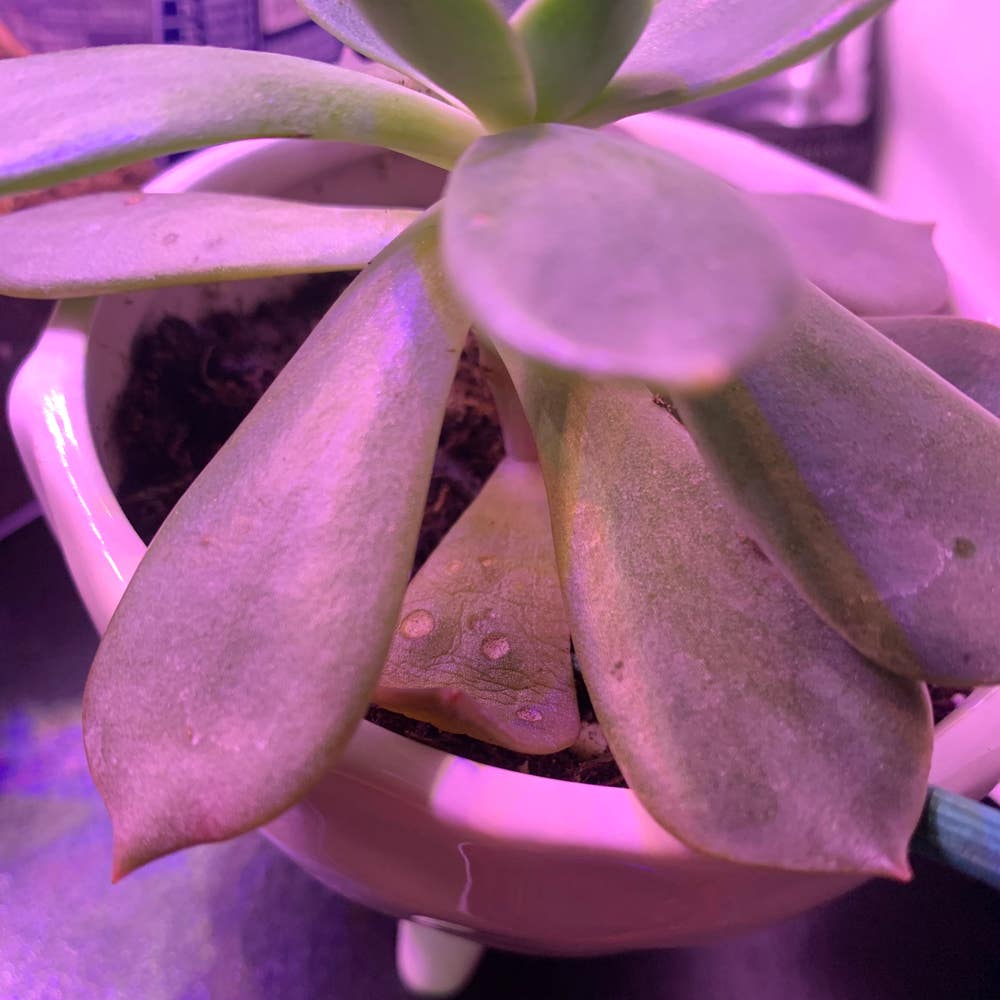
Overwatering can turn your Echeveria prolifica into a soggy mess. Look for leaves that are yellowing or feel mushy to the touch. A base that's soft or black suggests root rot. It's like your plant's crying out after a buffet of too much water.
Underwatering symptoms are less dramatic but equally dire. Leaves may become crispy and the soil might shrink away from the pot's edges. If your Echeveria starts to look wilted or lifeless, it's practically holding a sign begging for a drink.
🚨 Recognizing the cries for help: underwatering symptoms
Don't wait for your succulent to start croaking before you give it water. Drooping leaves that are dry to the touch are a clear signal. When the soil feels like a desert, it's time to quench your plant's thirst. Remember, it's a fine line between neglect and overzealous watering—balance is key.

Tailoring Watering to Your Echeveria's Lifestyle
💡 Home Environment Factors
Light, temperature, and humidity aren't just weather report fodder—they're the stage directors of your Echeveria prolifica's watering routine. Bright light and toasty temps mean your succulent's soil will dry out faster, signaling it's time for a drink. Conversely, a dim, cool room tells you to ease up on the aqua. Humidity plays the understudy, often forgotten but crucial; high humidity equals less frequent watering, while dry air means grabbing the watering can more often.
🍽️ Pot and Soil: The Dynamic Duo
The pot's size and its drainage holes are the unsung heroes in your Echeveria's life. Small pots dry out quicker, demanding more frequent watering. But don't get pot-size envy—a behemoth of a container will retain moisture longer and could drown your green buddy in excess water. And let's talk soil. It's not just dirt. The right mix, with plenty of perlite or vermiculite, will ensure quick drainage and prevent your Echeveria from getting soggy feet. Remember, a well-draining pot and soil mix are your first line of defense against overwatering tragedies.
⚠️ Safety First
This content is for general information and may contain errors, omissions, or outdated details. It is not medical, veterinary advice, or an endorsement of therapeutic claims.
Always consult a qualified healthcare professional before using any plant as food, medicine, or supplement.
Never eat any plant (or feed one to pets) without confirming its identity with at least two trusted sources.
If you suspect poisoning, call Poison Control (800) 222-1222, the Pet Poison Helpline (800) 213-6680, or your local emergency service immediately.
Spotted an error? Please report it here.
Ensure your Echeveria Prolifica thrives 🌞 with Greg's custom watering plan, tailored to your home's light, temperature, and humidity, for just-right hydration.