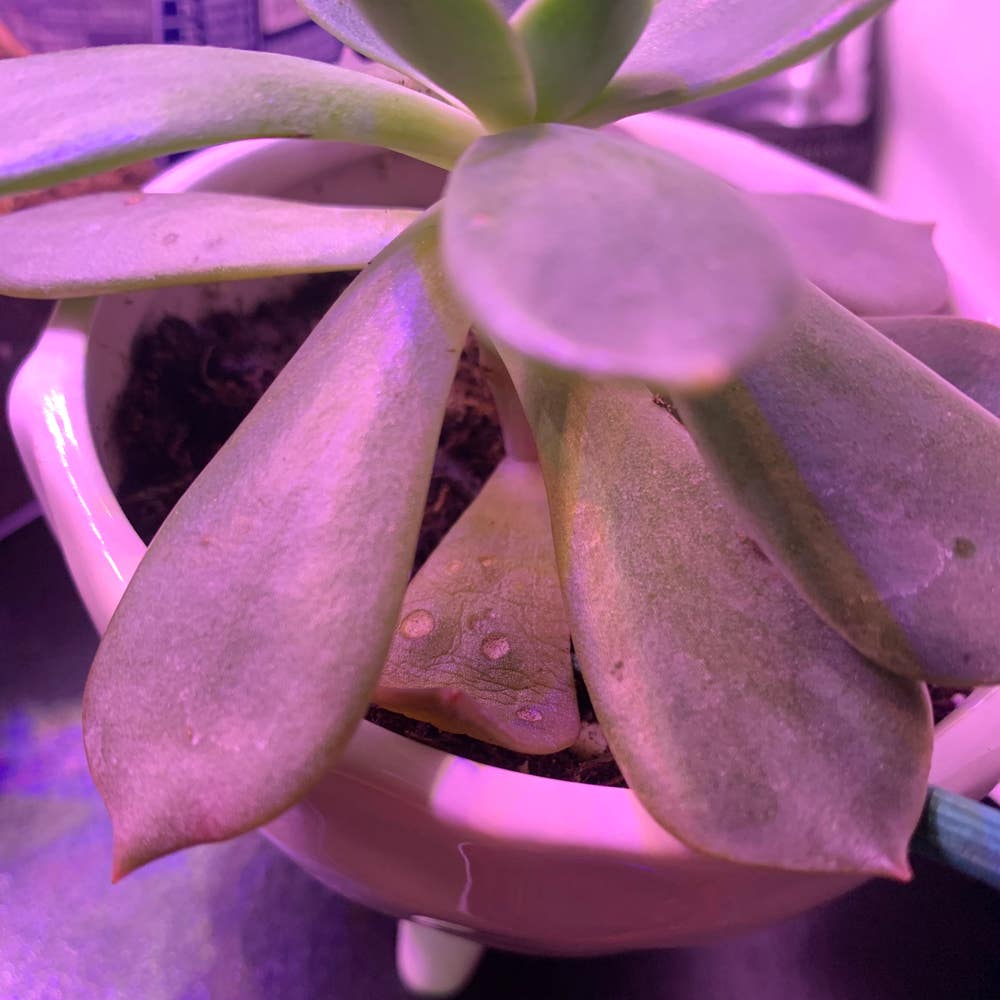
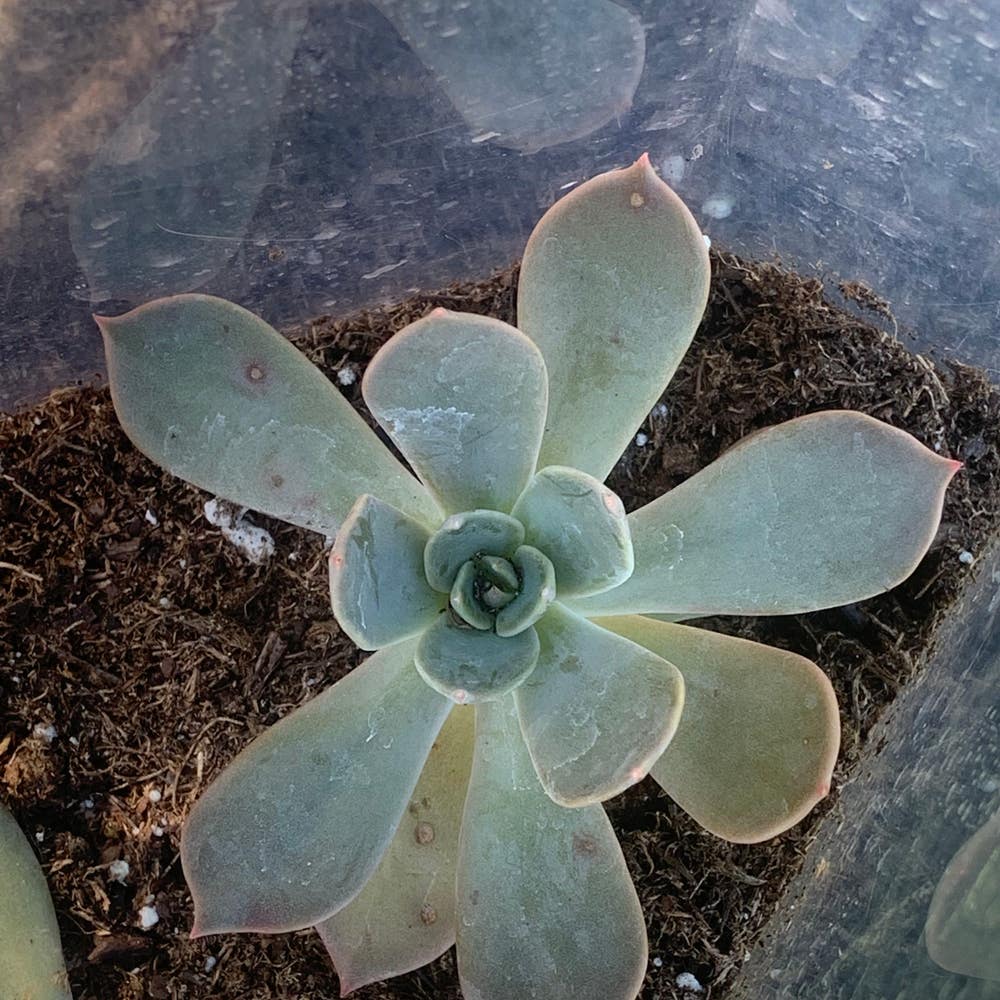
Soil Recommendations for Echeveria prolifica
Echeveria prolifica
By the Greg Editorial Team
Jun 18, 2024•5 min read
This article was created with the help of AI so we can cover more plants for you. May contain errors. See one? Report it here.
Boost your Echeveria prolifica's joy 🌿 with the ultimate soil secrets for lasting health and vibrant blooms.
- Mold signals soil distress, indicating the need for immediate attention.
- Drainage and aeration are key to preventing Echeveria prolifica root issues.
- Mix or choose soil wisely, with perlite, sand, and organic matter for health.
Spotting Trouble: Signs Your Echeveria prolifica Soil is Unhappy
🚨 Telltale Signs of Soil Distress
Mold on your Echeveria prolifica's soil isn't a new home decor trend—it's a red flag. If you get a whiff of something foul or spot a fuzzy white growth, it's time for some soil CPR. These signs scream "help!" louder than a horror movie victim.
🚫 The Consequences of Ignoring Soil Health
Let's cut to the chase: bad soil equals a sad Echeveria. Ignore these signs, and you'll be on a fast track to droopy leaves and a plant that's more limp than a forgotten salad. Unhealthy soil can lead to a domino effect of despair for your succulent, from nutrient theft to root rot. Don't wait until your Echeveria prolifica starts writing its will—act fast.

Fixing the Dirt: Turning Unhealthy Soil Around
🍄 Mold Be Gone: Dealing with Fungal Fiends
Mold in your Echeveria's soil is a red flag. Here's how to send those spores packing:
- Isolate your plant to prevent spreading.
- Remove the top layer of soil where mold is visible—think of it as skimming the scum off a pond.
- Sterilize your tools with rubbing alcohol—no cross-contamination, please.
- Increase airflow around the plant; a gentle fan can work wonders.
- Consider a fungicide, but don't rely on it like a crutch. It's about the environment, not just the symptoms.
- If the situation is dire, repot in fresh, sterile soil. It's like hitting the reset button.
💧 Improving Drainage and Aeration
Waterlogged roots are a one-way ticket to an unhappy Echeveria. Let's fix that:
- Ensure pots have drainage holes. If not, get your drill out and make some. Your plant will thank you.
- Mix in perlite or coarse sand to your soil. It's like giving your Echeveria room to breathe.
- Water only when the soil is dry to the touch. Stick your finger in; if it feels like a wet sponge, hold off on the H2O.
- Consider a gravel layer at the bottom of the pot for extra drainage. It's like the foundation for a dry, happy home.

Crafting the Perfect Soil Mix
🌱 The Building Blocks of Echeveria-Friendly Soil
Perlite, coarse sand, and organic matter are the holy trinity for Echeveria prolifica soil. Perlite is like that friend who's always there to keep things light and airy; it prevents compaction and promotes drainage. Coarse sand adds grit, discouraging water from getting too cozy around the roots. Organic matter, meanwhile, is the life of the party, bringing essential nutrients and holding onto just enough moisture without causing a soggy mess.
🌿 Mixing It Up: Creating Your Own Echeveria Soil
To whip up a batch of Echeveria bliss, think of yourself as a barista crafting the perfect coffee blend. Start with two parts all-purpose potting soil for a solid foundation. Throw in one part perlite for that drainage magic, and another part of coarse sand to keep things loose. Now, let's not forget about moisture and pH balance—add one part sphagnum peat moss into the mix. For those feeling adventurous, a sprinkle of pine bark fines can jazz up the texture and longevity of your soil.
Remember, this isn't a one-size-fits-all deal. Your Echeveria's soil mix is a personal expression, so tweak the ratios to suit your plant's performance and the seasonal changes in its environment. Keep testing and adjusting until your Echeveria prolifica gives you a standing ovation.

Choosing the Best Commercial Soil
💧 What to Look for in Store-Bought Mixes
When hunting for commercial soil for your Echeveria prolifica, think of it as speed dating: you're looking for a mix that's quick to drain yet rich in substance. Perlite, pumice, or coarse sand should be non-negotiables on the ingredient list. They're the wingmen that ensure excess water doesn't linger, preventing root rot. Organic matter should be abundant, like compost or worm castings, offering a buffet of nutrients. And pH levels? They should be slightly acidic to neutral—if the bag's silent on this, swipe left.
🚰 The Drainage Factor: Ensuring Your Soil is Up to Par
To test if your commercial mix is a keeper, give it the water run-through test. If it holds water like a sponge, it's a no-go. If you've accidentally brought home a clingy mix, don't panic. Amend it by adding more of the good stuff—perlite or coarse sand—to boost drainage. Remember, your Echeveria prolifica's roots crave a breathable space. Think of it as their personal yoga studio—airflow is key. If the mix is too dense, it's like trying to do a sun salutation in a broom closet. Not fun.
Keeping the Soil Healthy Long-Term
🌱 Routine Checks and Balances
Regular soil assessments are your Echeveria prolifica's health checkups. Like a car's oil change, refreshing your plant's soil is non-negotiable. Aim to do this every two years or when you notice signs of compaction or depletion. It's like hitting the reset button for continued growth.
🛡️ Preventative Measures for Soil Health
Consistency is the secret sauce to soil success. Keep a watering schedule that's more reliable than your favorite coffee shop. Only water when the soil feels like a dry sense of humor – parched. And remember, a tidy plant space is a happy plant space. Remove debris and dead leaves to avoid unwanted critters turning your Echeveria's home into their playground. Preventative neem oil treatments can be like a security system, keeping the pests at bay. Stay vigilant, and your Echeveria prolifica will be the envy of the plant world.
⚠️ Safety First
This content is for general information and may contain errors, omissions, or outdated details. It is not medical, veterinary advice, or an endorsement of therapeutic claims.
Always consult a qualified healthcare professional before using any plant as food, medicine, or supplement.
Never eat any plant (or feed one to pets) without confirming its identity with at least two trusted sources.
If you suspect poisoning, call Poison Control (800) 222-1222, the Pet Poison Helpline (800) 213-6680, or your local emergency service immediately.
Spotted an error? Please report it here.
Revitalize your Echeveria prolifica's soil and prevent root woes with custom care reminders 🌱 from Greg, ensuring your succulent's success with every potting!