Why Are My Echeveria prolifica Leaves Turning Yellow?
Echeveria prolifica
By the Greg Editorial Team
Jun 18, 2024•4 min read
This article was created with the help of AI so we can cover more plants for you. May contain errors. See one? Report it here.
Save your succulent's sparkle ✨—learn why Echeveria prolifica leaves yellow and how to restore their luster! 🌿
- 🌼 Overwatering and underwatering both cause yellow leaves; check soil before watering.
- 🌱 Nutrient balance is key; use slow-release fertilizer to prevent deficiencies.
- ✂️ Prune yellow leaves and consider propagation for a fresh start.
Spotting the Culprits Behind Yellow Leaves
💦 Overwatering Woes
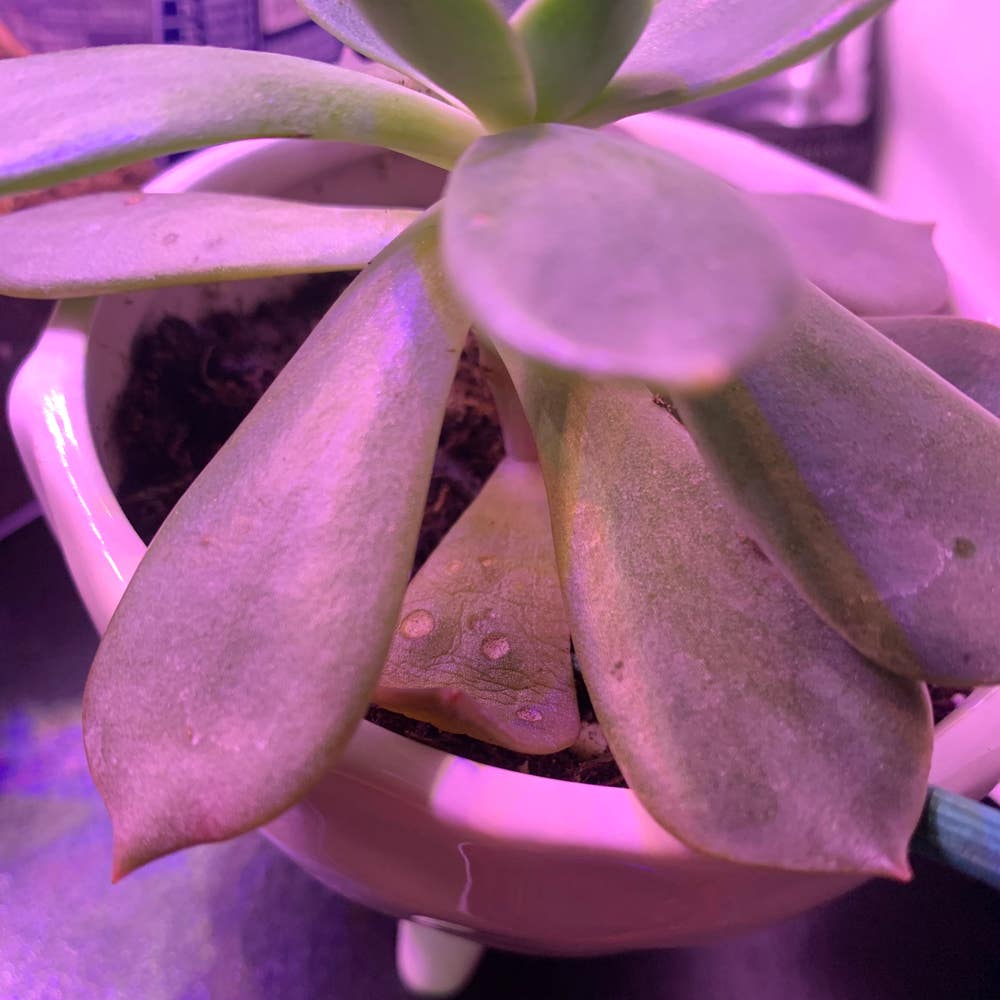
Overwatering is like giving your Echeveria prolifica an unwanted bath. Leaves turn a sad shade of yellow, feel squishy, and may even wilt. The soil? Soggy, like a wet sponge. It's a classic case of too much love.
🏜️ Underwatering Symptoms
On the other end, underwatering makes your succulent's leaves resemble a dried-up autumn leaf—wrinkled, crispy, and desperate for a drink. The soil will be as dry as a week-old loaf of bread, and the plant's overall vibe? Thirsty.
🍽️ Nutrient Deficiencies and Yellow Leaves
Yellow leaves can also scream nutrient deficiency. Nitrogen shortage? Older leaves turn yellow first. Potassium missing? Look for yellow leaf edges. Magnesium? Yellow patterns between the veins. A balanced fertilizer usually does the trick, but don't overdo it—too much is just as bad as not enough.

First Aid for Yellowing Echeveria prolifica
💧 Adjusting Your Watering Tactics
Watering your Echeveria prolifica is not a set-it-and-forget-it game. Check the top inch of soil; if dry, it’s time to water. But don't just pour your heart out—moderation is key. Overwatering is the fast track to a yellow leaf graveyard.
🌊 Tips for Proper Watering Techniques
Use the finger test or a moisture meter to avoid guesswork. When watering, aim for the base, not the leaves, to prevent rot. Think of it as a stealth operation—efficient and targeted.
🌱 Boosting Soil Health
Improving soil drainage is like upgrading your plant's living quarters. Mix in perlite or vermiculite with cactus soil to create a well-draining, comfy home that wards off yellow leaves.
🌾 The Role of Soil Composition in Preventing Yellowing
Soil composition is the unsung hero in the fight against yellow leaves. Ensure your mix is airy and rich, like a gourmet meal for your plant's roots. Good drainage is the golden ticket to green leaves.
🌿 Nutrient Boost: Fertilizing Right
Choosing the right fertilizer is like picking the perfect wine—it has to complement the meal. Go for a balanced, slow-release 20-20-20 fertilizer during the growing season. But remember, less is more; over-fertilizing is a recipe for disaster.
🌱 How and When to Fertilize to Avoid Yellowing
Timing is everything. Fertilize during the growing season, and always water first to prevent nutrient burn. Think of it as prepping the soil for a feast, not a food fight.

Salvaging the Situation
🌱 Pruning and Caring for Yellow Leaves
Yellow leaves on your Echeveria prolifica are like a red flag; they signal it's time for action. Prune these leaves at the base, ensuring you use sterilized shears to prevent infection. Post-trimming, remove leaf debris to deter pests and give your plant room to flourish.
🌿 Propagation: A Fresh Start
Propagation offers a second chance for your Echeveria prolifica. Select healthy leaves for propagation, let the cut end callous over for a few days, and then place on well-draining soil. Water sparingly and wait for the magic of new growth, keeping a vigilant eye for any signs of distress.

Keeping Yellow at Bay: Prevention Tips
💧 Watering Wisdom: Finding the Balance
Consistency in watering is your Echeveria prolifica's best friend. Establish a watering schedule that's more like a ritual than a chore. Check the soil before watering—aim for a moist but not waterlogged feel, akin to a wrung-out sponge.
- Use your finger or a moisture meter to gauge the soil's dryness.
- Adjust watering frequency with the seasons—less in winter, more in summer.
🌱 Soil and Sunlight: The Dynamic Duo
Well-draining soil is non-negotiable. It's the bedrock of succulent health, preventing water from overstaying its welcome. Combine this with the right pot, and you're halfway to gold.
- Ensure pots have drainage holes to let excess water escape.
- Mix in sand or perlite to improve soil aeration and drainage.
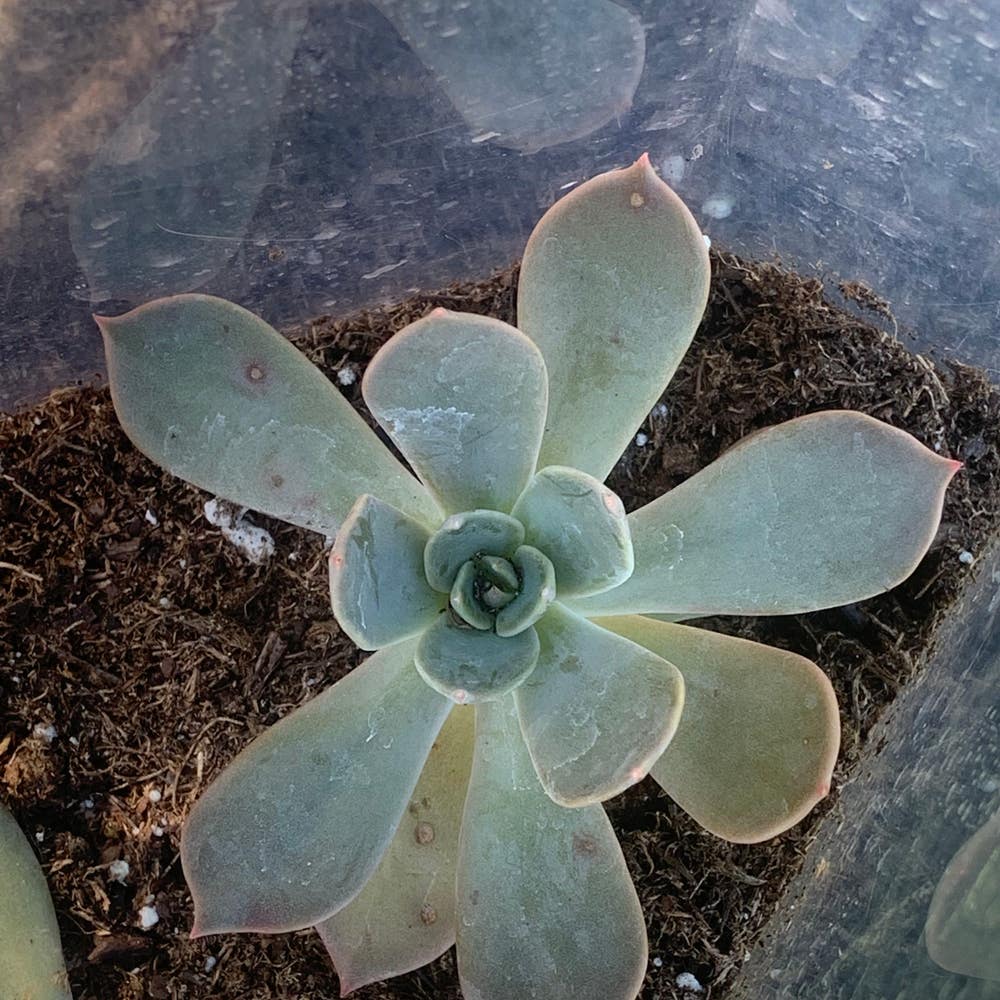
Sunlight is the other half of the equation. Echeveria prolifica loves its sunbaths but doesn't want to get sunburned.
- Aim for bright, indirect light or a few hours of direct morning sun.
- Watch out for signs of too much sun, like bleaching or scorching.
⚠️ Safety First
This content is for general information and may contain errors, omissions, or outdated details. It is not medical, veterinary advice, or an endorsement of therapeutic claims.
Always consult a qualified healthcare professional before using any plant as food, medicine, or supplement.
Never eat any plant (or feed one to pets) without confirming its identity with at least two trusted sources.
If you suspect poisoning, call Poison Control (800) 222-1222, the Pet Poison Helpline (800) 213-6680, or your local emergency service immediately.
Spotted an error? Please report it here.
Avoid the yellow-leaf blues in your Echeveria prolifica by using Greg's custom watering plan 🌱 to keep the soil and care just right.