How Should Echeveria prolifica Be Cut Back?
Echeveria prolifica
By the Greg Editorial Team
Jun 18, 2024•4 min read
This article was created with the help of AI so we can cover more plants for you. May contain errors. See one? Report it here.
Achieve a thriving, eye-catching Echeveria prolifica 🌵 with our essential pruning tips for health and symmetry!
- Spring/summer best for pruning; avoid dormant phases to prevent stress.
- Use clean, sharp tools for precise cuts, and prune for symmetry.
- Post-prune care: no water, bright light, and minimal fertilizer.
Timing Your Trims: When to Prune Echeveria Prolifica
🌸 Seasonal Sweet Spots
Spring and summer are your go-to seasons for pruning Echeveria prolifica. This is when your succulent is in its element, ready to bounce back from any trimming you do.
Dormant phases are a big no-no for pruning. When the temperatures drop, your Echeveria is likely conserving energy, not in the mood for a haircut.
🌱 Growth and Bloom Cues
Watch for overgrowth or a stretching silhouette – it's your Echeveria crying out for more light and a good trim. This legginess is a clear sign to prune for a compact shape.
Blooms are rare indoors, but if you hit the jackpot, postpone pruning until after the flowers have had their moment. It's all about letting the plant focus on its floral show, not on healing from snips and cuts.

The Pruning Process: A Step-by-Step Guide
🌱 Gear Up for the Snip
Before you dive into pruning your Echeveria prolifica, select the right tools. Precision is key, so opt for clean, sharp pruning shears or micro snips. Disinfect them with isopropyl alcohol or a bleach solution to prevent disease spread. It's like suiting up for surgery, but for your plant.
🌿 The Art of the Trim
Start by removing dead leaves or overgrown sections that detract from the plant's appearance. Snip close to the stem, but not too close – leave a tiny bit of space to avoid harming the main stem. Think of it as giving your succulent a fresh haircut, where every snip counts.
🌸 Shaping the Rosettes
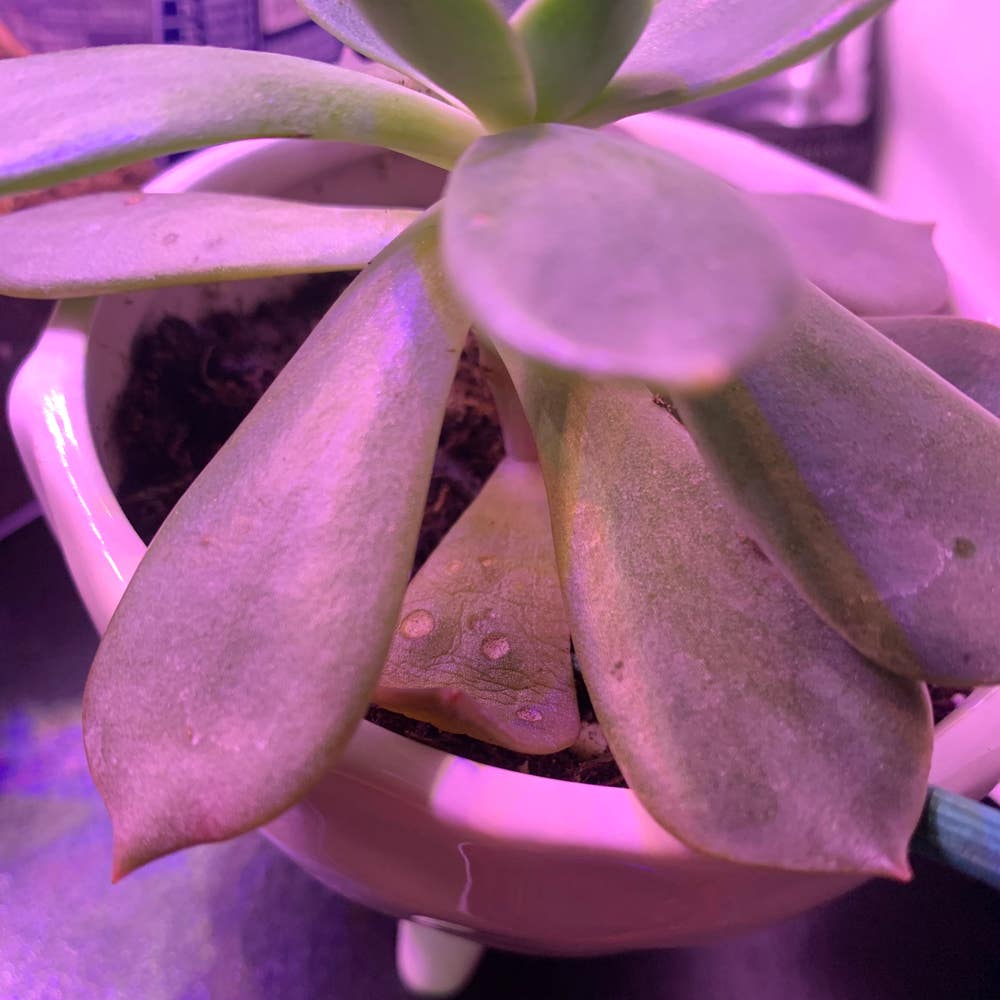
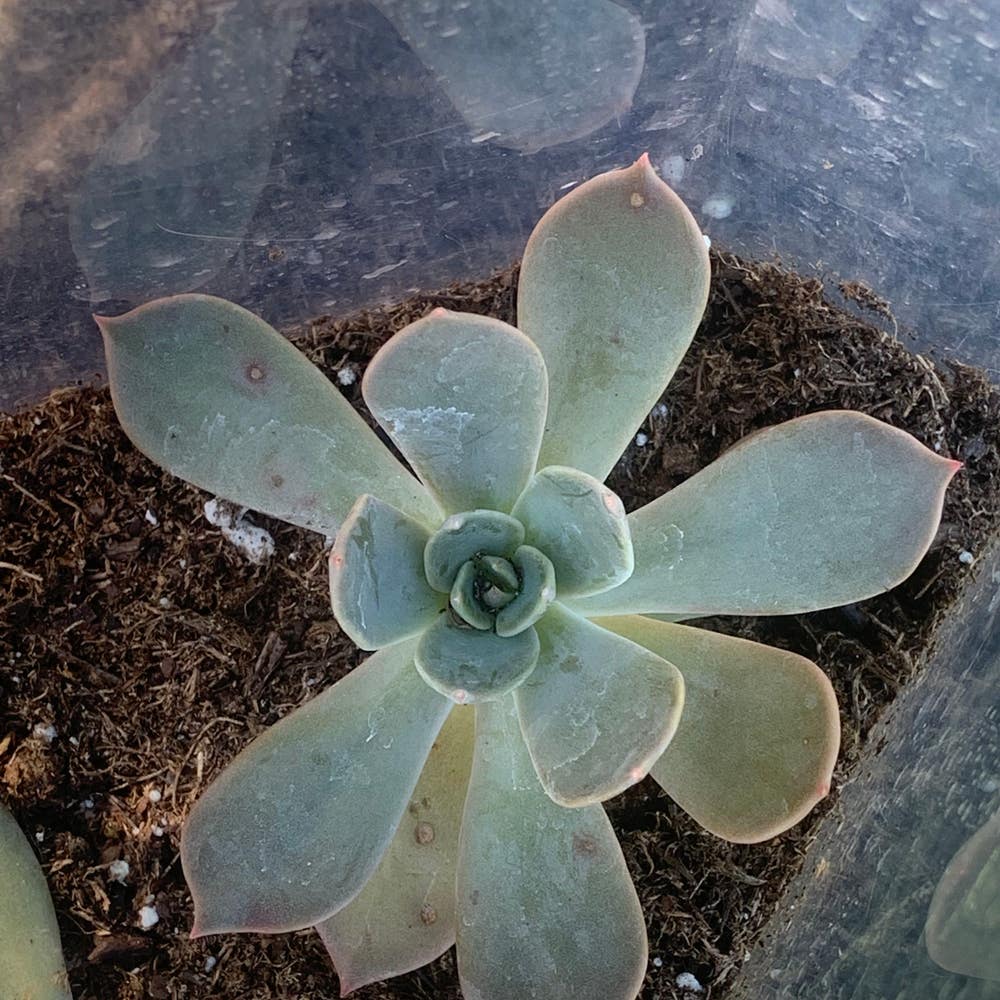
Now, focus on symmetry and beauty. Trim more vigorously in areas of dense growth to maintain the rosette's balanced shape. Aim for sharp, clean cuts; it's not just about making it shorter, it's about sculpting a living piece of art. Remember, you're not just pruning; you're curating your plant's aesthetic.

After the Cut: Caring for Your Pruned Echeveria
🌱 Immediate Aftercare
After your Echeveria prolifica has been pruned, immediate care is essential. Remove any leftover debris to prevent rot and disease. Hold off on watering; let the cuts heal to avoid potential infections. Place the plant in a spot with bright, indirect light to encourage recovery without the risk of sunburn.
🌵 Long-Term Love
For the long haul, your pruned Echeveria prolifica requires consistent but not coddling attention. Resist overwatering; these succulents prefer to dry out between drinks. Fertilize sparingly, if at all—overfeeding can do more harm than good. As new growth emerges, celebrate the resilience of your plant and adjust care as needed. Keep an eye out for pests or signs of distress, and act swiftly if they appear. With patience and a watchful eye, your Echeveria will continue to thrive.

Pruning Pitfalls: Avoiding Common Mistakes
🦠 Disease and Pest Prevention
Sterilize your tools before and after each cut to prevent the spread of disease. It's like the plant version of using hand sanitizer—non-negotiable. Snip off any infected areas immediately to stop disease in its tracks, and dispose of the clippings far from your garden to avoid cross-contamination.
😓 Stress Management
Prune during dormancy, typically in late winter or early spring, to minimize stress and avoid attracting pests that are active in warmer months. Avoid over-pruning; taking off more than one-third of the plant can send it into shock. Think of it as a haircut—trimming the ends encourages growth, but shaving it all off? Not so much.
Remember, pruning is not a race. Take your time to assess the plant from all angles, making thoughtful cuts that enhance the plant's natural shape. And never prune a sick plant—it's like asking someone with the flu to run a marathon. Address any health issues before you bring out the shears.
⚠️ Safety First
This content is for general information and may contain errors, omissions, or outdated details. It is not medical, veterinary advice, or an endorsement of therapeutic claims.
Always consult a qualified healthcare professional before using any plant as food, medicine, or supplement.
Never eat any plant (or feed one to pets) without confirming its identity with at least two trusted sources.
If you suspect poisoning, call Poison Control (800) 222-1222, the Pet Poison Helpline (800) 213-6680, or your local emergency service immediately.
Spotted an error? Please report it here.
Trim your Echeveria prolifica to flawless form 🌵 with Greg's timely pruning alerts and health checks, ensuring a vibrant, sculpted display.