Why Is My Echeveria prolifica Dropping Leaves?
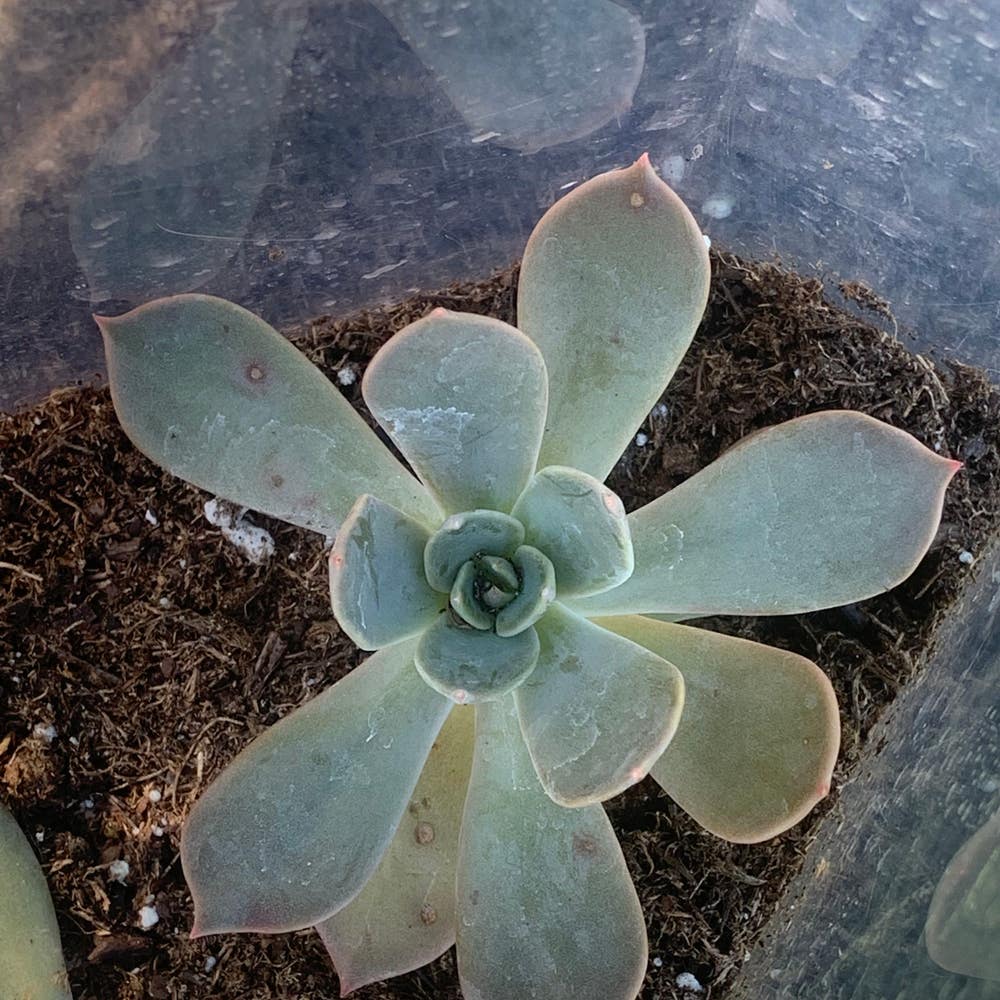
Echeveria prolifica
By the Greg Editorial Team
Jun 18, 2024•5 min read
This article was created with the help of AI so we can cover more plants for you. May contain errors. See one? Report it here.
Prevent leaf drop and ensure your Echeveria prolifica flourishes 🌿 with these crucial, easy-to-follow care secrets.
- 🌊 Overwatering causes yellow leaves, while underwatering leads to crispy ones.
- ☀️🌡️ Bright, indirect light and stable temperatures are crucial for health.
- 🚑 Early intervention and proper care prevent and treat leaf drop.
Spot the Signs: Is Your Echeveria Prolifica Unhappy?
🌊 Overwatering Woes
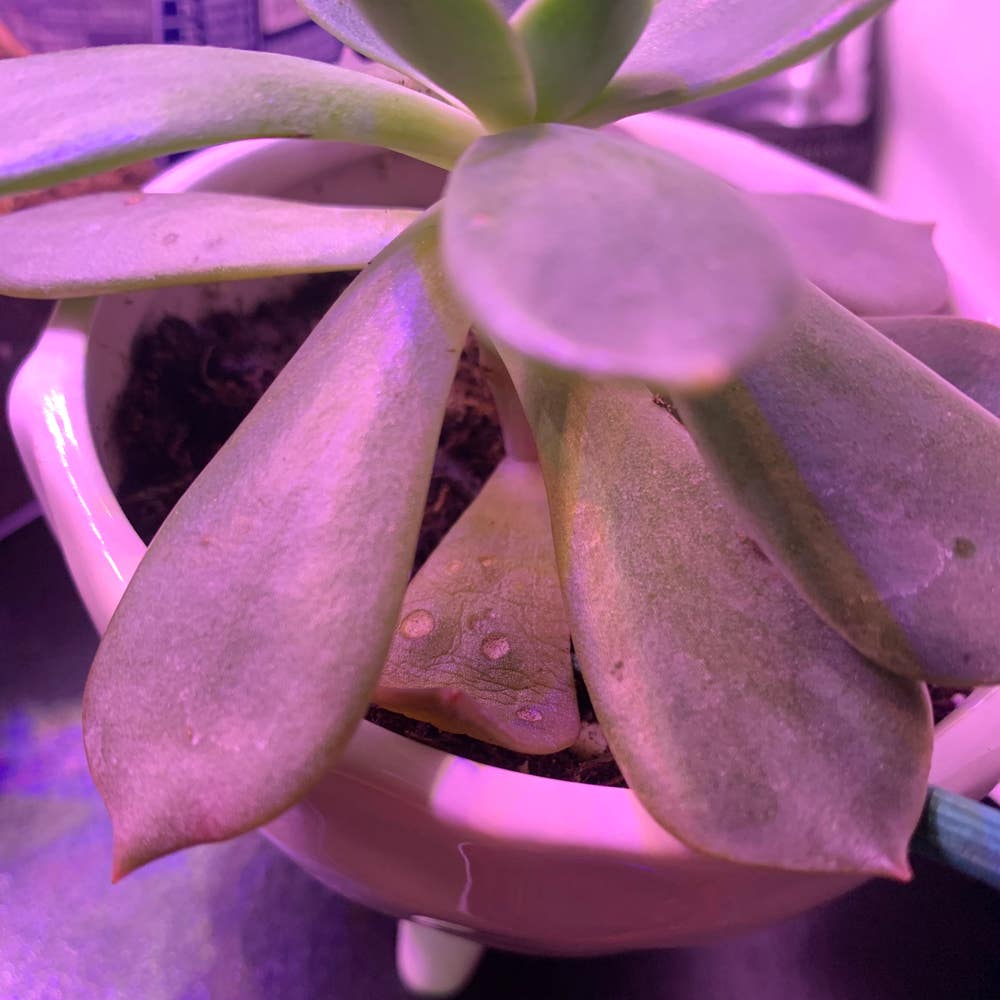
Yellow leaves are the red flags of overwatering. If your Echeveria prolifica's leaves are soft and translucent, you've likely been too generous with water. Soggy soil is a no-go; it's a one-way ticket to leaf drop city.
🏜️ Thirsty Plant, Dropping Leaves
Crispy, wrinkled leaves are your succulent's SOS for hydration. Underwatering triggers a survival mode, causing your Echeveria prolifica to shed leaves to conserve its resources. Don't let your plant turn into a desert wanderer; check the soil before it's too late.
🌞 Light: Finding the Sweet Spot
Too much sun and your Echeveria prolifica will crisp up like bacon; too little, and it'll stretch out awkwardly for light. Aim for that goldilocks zone of bright, indirect light to keep your plant from throwing a leafy tantrum.
❄️ When Temperatures Take a Toll
If your Echeveria prolifica is dropping leaves like it's autumn in July, temperature stress could be the culprit. Extreme temperatures can cause your succulent to go into survival mode, shedding leaves to regulate its internal climate. Keep an eye on the mercury to maintain a happy, leafy companion.

First Aid for Falling Leaves
💦 Rescuing Overwatered Echeveria
Overwatering is like giving your succulent an unwanted bath. If your Echeveria prolifica is swimming in soil soup, it's time for a rescue mission. First, unpot the plant and bid farewell to any mushy roots or leaves. Next, let the succulent air out and think about what it's done. Repot in dry, fresh soil and hold off on the H2O until the soil is as dry as a stand-up comedian's wit.
💧 Quenching the Thirst
Underwatering, on the other hand, turns your Echeveria into a tiny desert wanderer. If your plant's leaves are as limp as overcooked spaghetti, it's time to hydrate. But don't drown it in your eagerness—water sparingly, allowing the soil to dry between drinks. Adjust your watering schedule like you're tuning a guitar—too tight and the strings snap, too loose and the music falls flat.
🌞 Let There Be Light (But Not Too Much)
Light is like social media: the right amount can be great, but too much will fry your succulent's leaves. If your Echeveria is dropping leaves like hot potatoes, it might be getting too much sun. Transition it to a spot with indirect light, as if you're moving it from a beach vacation to a cozy spot by the window. This will stop the leaf drop without causing a light shock.
🌡️ Keeping the Temperature Just Right
Echeveria prolifica likes its environment like Goldilocks likes her porridge—just right. Too hot or too cold, and the leaves will fall off faster than New Year's resolutions. Stabilize the temperature by moving your plant away from drafty windows or hot radiators. Make seasonal adjustments to keep your plant as content as a cat in a sunbeam, without the sunburn.

Prevention: Stop the Drop Before it Starts
In the world of Echeveria prolifica, prevention is the name of the game. Let's dive into making your succulent's life as cushy as possible, so those leaves stick around for the long haul.
🛡️ Proactive Measures
Routine checks are your secret weapon. Like a plant whisperer, tune into the subtle signs of distress—maybe it's a slight color fade or a leaf looking as limp as a forgotten salad. Catching these early means you can course-correct before your plant starts shedding leaves like it's going out of style.
💡 Ideal Home Environment
Light and airy—that's how your Echeveria prolifica likes its soil. Think of it as the equivalent of a penthouse suite for roots. And those drainage holes in the pot? Non-negotiable. Nobody likes a soggy bottom.
🚰 Watering Wisdom
Watering is an art form. Too much and you're drowning the mood, too little and you're leaving your plant high and dry. Find that sweet spot and stick to it, adjusting only as the seasons change.
🌞 Lighting the Way
Rotate your plant regularly to ensure it gets its daily dose of light evenly. It's like sunbathing; nobody wants a tan on just one side. Keep it in a spot that's bright but not blinding—think of it as putting on sunglasses for your succulent.
♨️ Temperature and Humidity
Keep a thermometer and hygrometer handy. Your Echeveria prolifica isn't a fan of dramatic temperature swings or humidity levels that fluctuate more than your mood on a Monday morning.
🐜 Pest Patrol
Inspect new plants like you're a detective at a crime scene. Quarantine them if necessary. Pests are the ultimate party crashers, and you're not throwing a bash for bugs.
💨 Airflow is Key
Good circulation keeps the air moving and pests at bay. But don't go overboard—a hurricane-force fan is overkill and will leave your plant feeling more attacked than pampered.
🍽️ Fertilizer Finesse
Fertilize with a light hand. Overdoing it is like force-feeding your plant a Thanksgiving meal every week. Keep it balanced to avoid the dreaded leaf drop.
Remember, your Echeveria prolifica doesn't need a helicopter parent, just a vigilant one. Keep these tips in your plant care toolkit, and those leaves will stay put.

⚠️ Safety First
This content is for general information and may contain errors, omissions, or outdated details. It is not medical, veterinary advice, or an endorsement of therapeutic claims.
Always consult a qualified healthcare professional before using any plant as food, medicine, or supplement.
Never eat any plant (or feed one to pets) without confirming its identity with at least two trusted sources.
If you suspect poisoning, call Poison Control (800) 222-1222, the Pet Poison Helpline (800) 213-6680, or your local emergency service immediately.
Spotted an error? Please report it here.
Avoid 🚫 the stress of Echeveria prolifica leaf drop by letting Greg track your plant's watering schedule and ensure it's growing in the ideal conditions.