Black Spots on My Echeveria prolifica Leaves
Echeveria prolifica
By the Greg Editorial Team
Jun 18, 2024•3 min read
This article was created with the help of AI so we can cover more plants for you. May contain errors. See one? Report it here.
Banish black spots 🌑 and restore your Echeveria prolifica's beauty with these expert care tips! 🌿
- Black spots signal issues like overwatering, sunburn, or infections.
- Adjust care routines to prevent and treat black spots effectively.
- Consistency and cleanliness are key to a healthy Echeveria prolifica.
Spotting the Culprit: Diagnosing Black Spots
🕵️ Visual Inspection: What to Look For
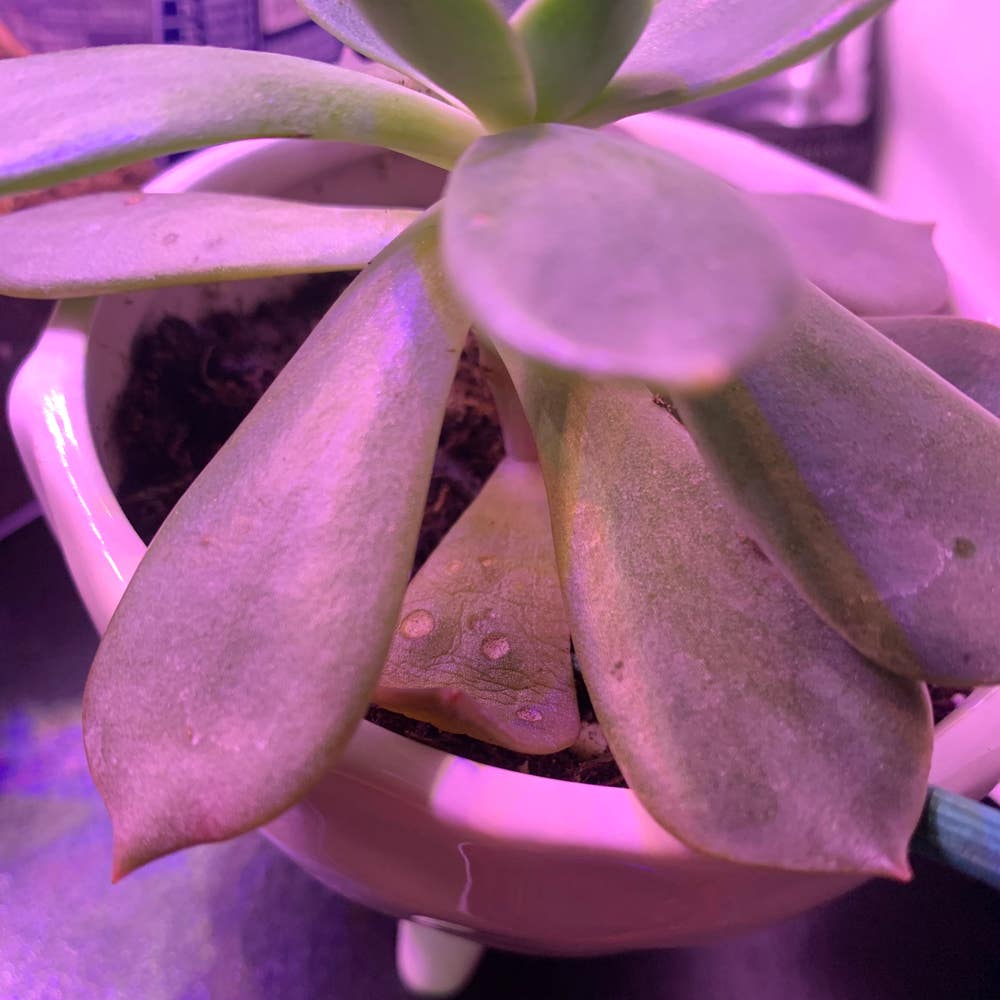
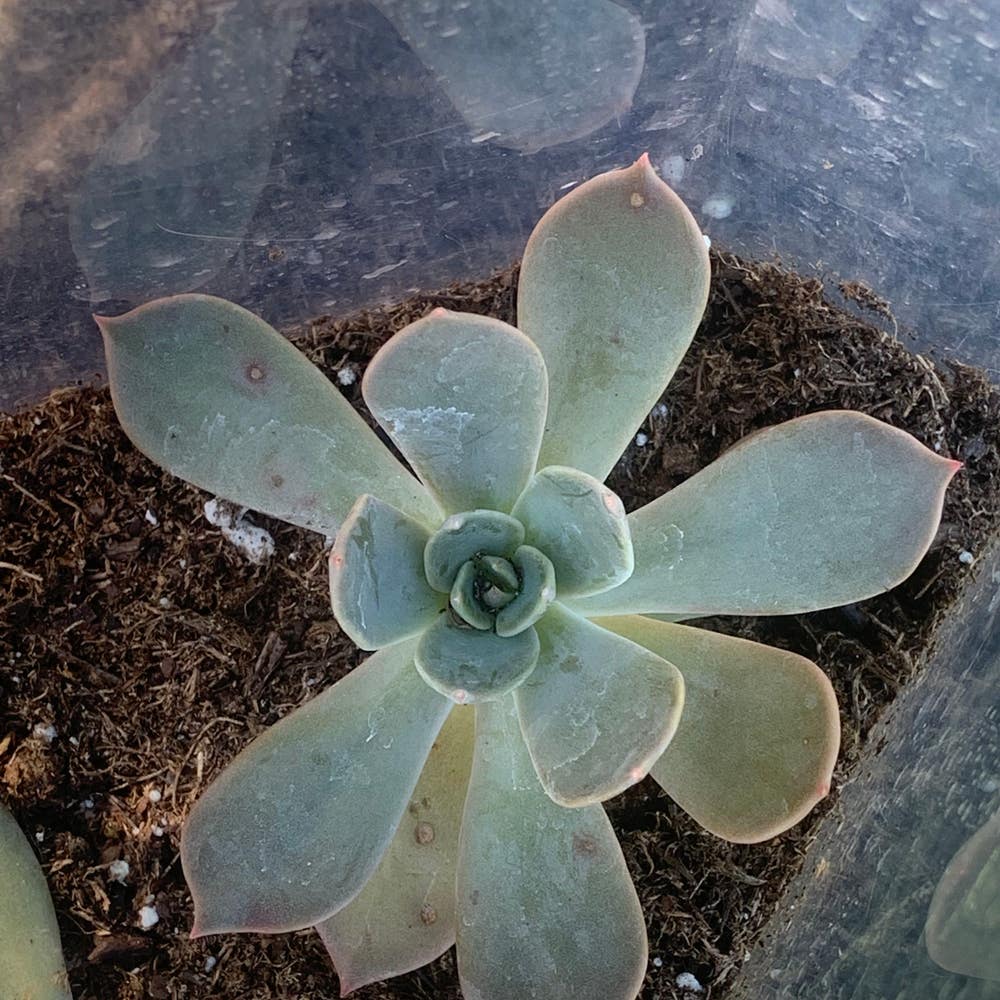
Black spots on Echeveria prolifica leaves can be a real buzzkill for succulent enthusiasts. These spots are often small, dark, and can grow or merge into larger blotches if ignored. Check the undersides of leaves too; that's where these party crashers like to start their invasion.
Common Causes: Getting to the Root of the Problem
💧 Overwatering vs. Sunburn
Overwatering your Echeveria prolifica can make it look more defeated than a wilted salad, leading to yellowing leaves and potential root rot. Sunburn, on the other hand, will give you dry, brownish spots, often with scorched tips. To tell them apart, think about your watering habits and the amount of sunlight exposure your plant gets.
🍄 Fungal Foes and Pesky Pests
Fungal infections can show up as powdery or spotty blemishes, sometimes with a textured appearance due to fruiting bodies. If the leaf around the spot feels mushy or smells off, you're likely dealing with rot. Spots with a red or yellow edge could signal a fungal or bacterial infection, often made worse by high humidity and poor air circulation. Remember, your Echeveria prolifica isn't a fan of soggy feet or being crammed in a plant mosh pit with no room to breathe.

First Aid for Your Echeveria: Treating Black Spots
🌱 Adjusting Care Routines
Fine-tuning watering habits is critical in the fight against overwatering. Succulents like Echeveria prolifica demand less is more—think of it as a minimalist approach to hydration.
For sunburn, it's all about location, location, location. Move your plant to a spot with bright, indirect light, where it's not baking but basking.
🛡️ Battling Fungi and Pests
When it comes to fungi, think of neem oil as your plant's personal bodyguard. Apply it with the precision of a sniper—every leaf, every angle.
If neem oil doesn't cut it, it's time for the big guns: fungicides. Use them as directed; it's not an all-you-can-spray buffet.
For pests, it's a two-front war: natural predators like ladybugs are your allies, and insecticidal soaps are your weapons. Keep it balanced—no need for a scorched earth policy.
Remember, consistency is key. Whether it's watering, sun exposure, or pest control, your Echeveria prolifica thrives on routine, not surprises.

Keeping the Spots at Bay: Prevention Strategies
💧 Water Wisdom: Balancing Moisture Levels
Early morning watering is like hitting the gym before the day starts—it sets the stage for a healthy routine. Make sure your Echeveria prolifica's soil is the good kind of moist, not the "I've been in the bathtub too long" kind. Check the soil before you water; if it's dry, go ahead, if not, let it be.
🌞 Sun and Shade: Protecting Your Plant
Your Echeveria prolifica loves the sun, but not like a tourist on a beach without sunscreen. Think of bright, indirect light as the plant's happy place. Rotate your succulent regularly to ensure even exposure without any sunburnt regrets.
🧼 Clean and Quarantine: Preventing Fungal and Pest Issues
Cleanliness isn't just about aesthetics; it's about health. Remove dead leaves and debris like you're Marie Kondo-ing your plant's living space. When introducing new green buddies, quarantine them first. It's like checking if someone has a cold before you let them into your house party.

⚠️ Safety First
This content is for general information and may contain errors, omissions, or outdated details. It is not medical, veterinary advice, or an endorsement of therapeutic claims.
Always consult a qualified healthcare professional before using any plant as food, medicine, or supplement.
Never eat any plant (or feed one to pets) without confirming its identity with at least two trusted sources.
If you suspect poisoning, call Poison Control (800) 222-1222, the Pet Poison Helpline (800) 213-6680, or your local emergency service immediately.
Spotted an error? Please report it here.
Keep your Echeveria prolifica spotless and thriving 🌟 with Greg's personalized care reminders, helping you prevent black spots and maintain perfect plant health.