Why Are There Brown Spots on My Echeveria prolifica?
Echeveria prolifica
By the Greg Editorial Team
Jun 18, 2024•4 min read
This article was created with the help of AI so we can cover more plants for you. May contain errors. See one? Report it here.
Banish brown spots 🍂 on your Echeveria prolifica with our life-saving succulent care secrets!
- Brown spots can be due to overwatering, sunburn, or fungi.
- 🌞🚿 Adjust watering and sunlight exposure to prevent damage.
- Combat fungi with proper soil, fungicides, and ventilation.
Spotting the Trouble: Recognizing Brown Spots
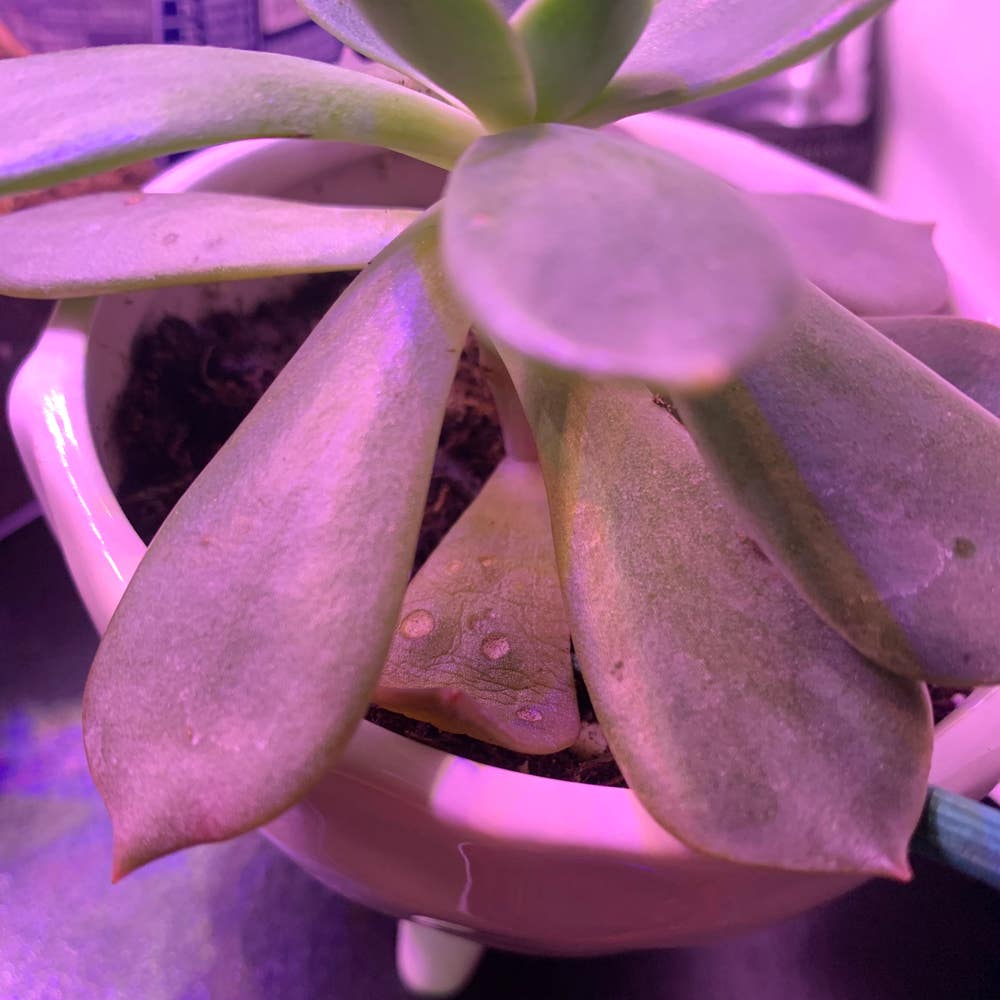
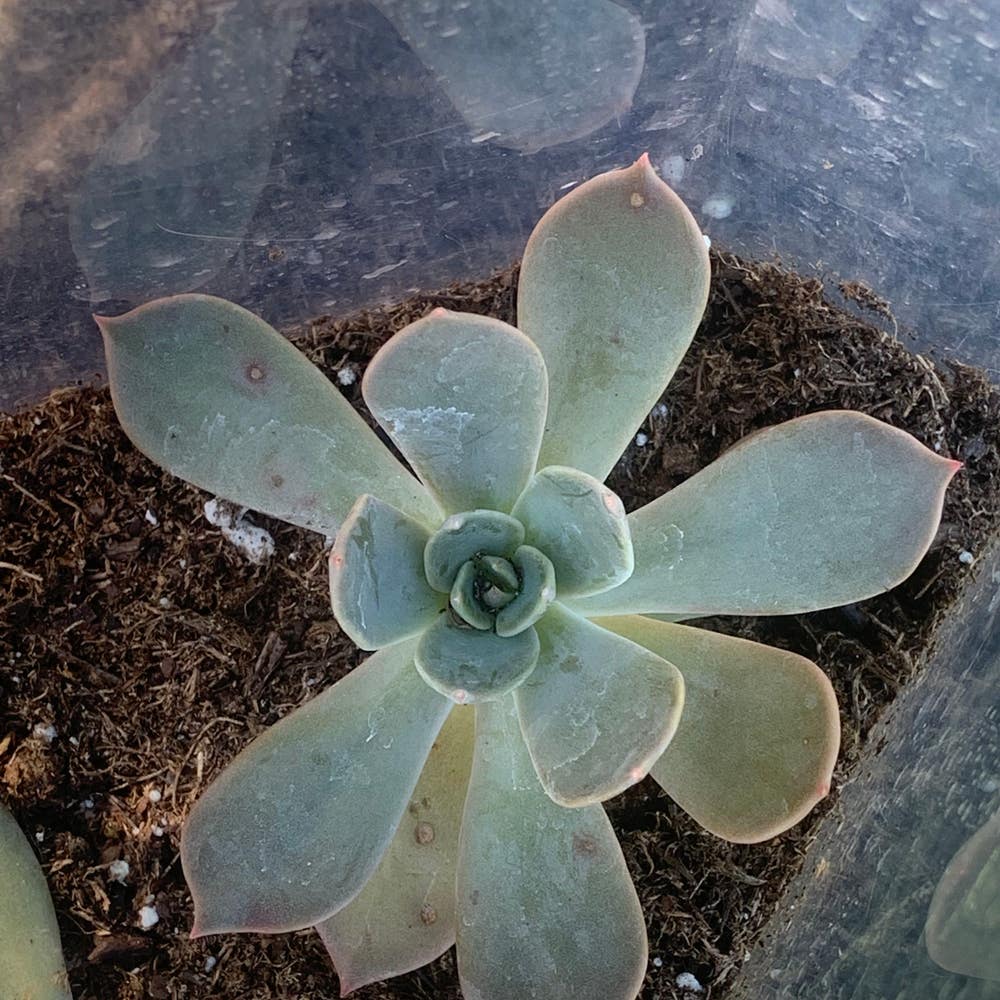
Brown spots on your Echeveria prolifica can be as diverse as the causes behind them. Overwatering leads to squishy, dark blemishes that tend to spread with a vengeance. Sunburn, however, manifests as crispy, bleached areas, typically at the mercy of the leaf's outer edges. And fungal infections? They're sneaky, showing up as spots with a yellow halo or a concentric ring pattern, like a bullseye you never wanted.
Common Sidekicks: Other Symptoms to Watch For
Keep an eye out for other troubling signs. If your Echeveria prolifica is throwing a fit, you might see leaves that are more wrinkled than a linen shirt at a yard sale, or a base that's mushier than a forgotten avocado. Spots might come with a side of uneven growth or a lopsided silhouette, hinting at light or temperature stress. And if your succulent's leaves are dropping like flies at a swatter convention, it's time to play detective with your care routine.

Too Much Love: Overwatering Woes
💦 Spotting Overwatering Symptoms
Soggy soil and limp leaves are screaming "help!" in plant language. Brown spots with a yellow halo? That's your Echeveria prolifica waving a white flag. A musty smell is the cherry on top of this disaster sundae.
💧 Tweak Your Watering Routine
First, put down the watering can. Let's not turn your succulent's home into a swamp. Check the soil with your finger—if it's wetter than a rainforest floor, hold off on the H2O. When the top inch feels as dry as a desert, that's your green light to water, but just a sip, not a gulp.
🚰 Soil Drainage: Make It Supreme
Your soil should drain faster than a sink with no stopper. Mix in perlite or sand to keep it loose and airy. Terracotta pots are your best friend here; they wick away moisture like a pro. And those drainage holes? Keep them as clear as your intentions to save your plant.

When the Sun Doesn't Play Nice: Sunburn Issues
🏖️ Identifying Sunburn on Your Echeveria prolifica
Sunburn on Echeveria prolifica isn't a beachside souvenir you'd want to keep. Look for bleached spots or areas where the green has turned to crispy brown. These unsightly marks typically show up on the leaves that catch the most rays. If your succulent's leaves are more fried than a diner breakfast, it's time to rethink its sun exposure.
🌅 Gradual Tanning: Acclimating Your Plant to Sunlight
Like easing into a hot bath, your Echeveria prolifica needs a gentle introduction to sunlight. Start by placing it in a bright spot in the morning when the sun's kisses are gentle. Gradually increase its sunbathing time over a few weeks. This slow dance with the sun helps prevent the shock of a full-on solar slam.
🏖️ Creating a Sunbrella: Shade Solutions for Peak Hours
When the sun's at its peak, your Echeveria prolifica could use some protection. Think of a shade cloth as sunscreen for your succulent. Alternatively, strategic placement under a larger plant or a semi-transparent curtain can act as a parasol, diffusing those harsh midday rays. Remember, even the hardiest sun-worshippers need a break during a heatwave.

Fending Off Fungal Foes
🍄 Spotting Signs of Fungal Infections
White or black spots on your Echeveria prolifica's leaves could signal a fungal invasion. Other tell-tale signs include lesions, a powdery or downy coating, and discoloration. If the leaves look like they're throwing a spore party, it's time to intervene.
🧪 Choosing Your Fungicidal Weapons
When the fungus comes knocking, you'll want to answer with the right countermeasures. Start with a baking soda and soap mixture—it's like a homemade bouncer for uninvited fungal guests. If that doesn't cut it, escalate to commercial fungicides. Remember to alternate products to avoid creating resistant super-fungi, and always follow the label like it's the holy grail of plant care.
💨 Keeping the Air Moving: Ventilation Tips
Airflow is your secret weapon against fungal foes. A simple oscillating fan can keep the air moving, making your Echeveria prolifica less hospitable to fungi. Think of it as the plant equivalent of cracking a window in a stuffy room—it makes all the difference. Keep your succulent in a spot where it can enjoy a gentle breeze, but not a hurricane.
⚠️ Safety First
This content is for general information and may contain errors, omissions, or outdated details. It is not medical, veterinary advice, or an endorsement of therapeutic claims.
Always consult a qualified healthcare professional before using any plant as food, medicine, or supplement.
Never eat any plant (or feed one to pets) without confirming its identity with at least two trusted sources.
If you suspect poisoning, call Poison Control (800) 222-1222, the Pet Poison Helpline (800) 213-6680, or your local emergency service immediately.
Spotted an error? Please report it here.
Keep your Echeveria prolifica spot-free 🍂 with Greg's custom care reminders, ensuring just the right water and sun for a healthy, happy succulent.