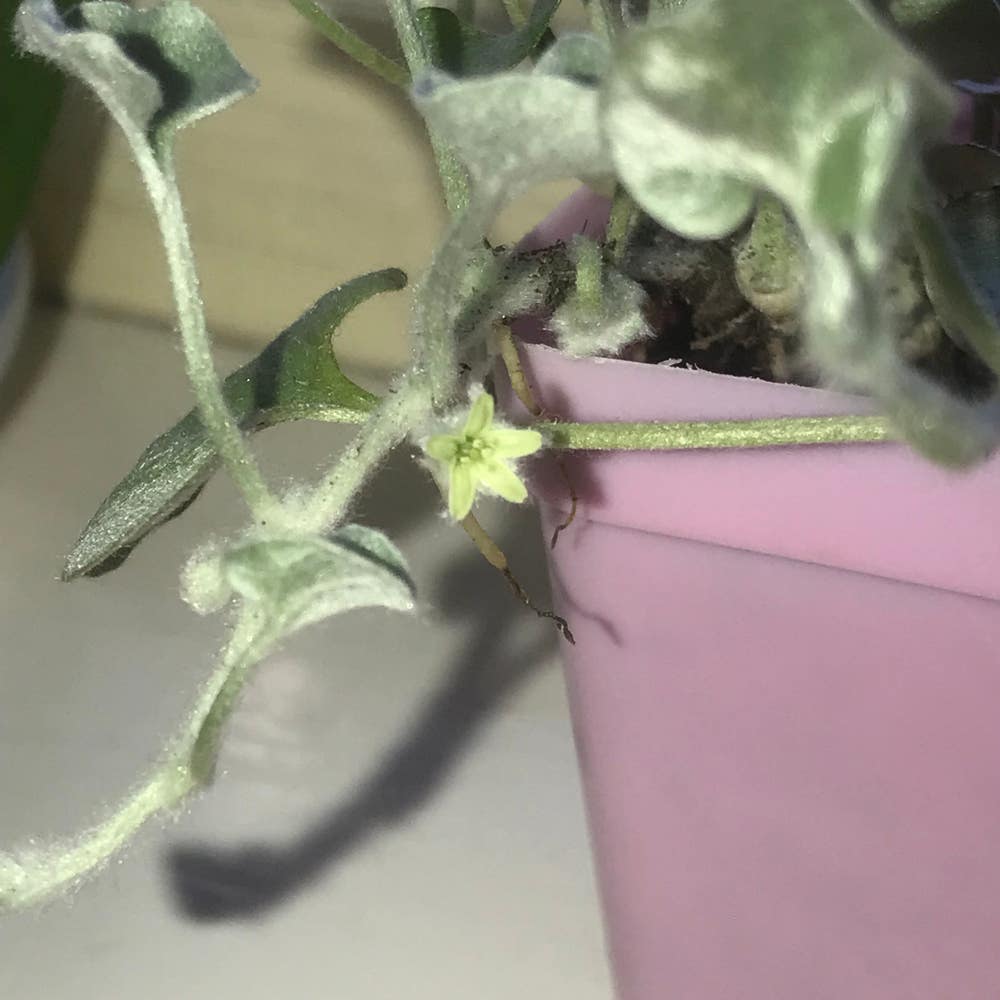
7 Outdoor Care Tips for Dichondra repens
Dichondra repens
By the Greg Editorial Team
Jul 24, 2024•4 min read
This article was created with the help of AI so we can cover more plants for you. May contain errors. See one? Report it here.
Transform your garden into a year-round green oasis 🌿 with expert Dichondra repens care tips.
- 🌞 Optimal sunlight is key; about six hours daily, adjusted seasonally.
- 🌱 Choose container or ground planting for soil and moisture control.
- 🛡️ Protect from weather extremes with frost cloths and strategic relocation.
Optimal Sunlight
Dichondra repens flourishes in that sweet spot between full sun and partial shade. Here's how to ensure it gets just the right amount of light.
- Aim for about six hours of direct sunlight daily, ideally in the morning and late afternoon to avoid the intense midday sun.
- Watch for lush, dense foliage and consistent green color as signs of perfect sun exposure.
🌞 Adjusting Sunlight Exposure with the Seasons
Seasonal shifts mean changing your approach to sunlight management.
- In summer, protect your Dichondra repens from harsh rays with strategic shading, like using taller plants or shade cloths.
- During cooler months, maximize sun exposure to compensate for shorter days, but be mindful of frost risks.
- Always consider the plant's location relative to the sun's path, adjusting as needed to maintain the ideal light conditions throughout the year.
Planting Choices
Dichondra repens thrives in both containers and as a ground cover, each method offering unique advantages.
🌿 Container Planting
- Containers provide the flexibility to control soil quality and moisture levels.
- They allow for easy relocation to adjust for sunlight and temperature changes.
- A shallow container suffices due to the plant's modest root depth.
- Ensure excellent drainage to prevent root rot and choose a container with ample room for growth before repotting becomes necessary.
🌱 Ground Planting
- Ground planting lets Dichondra repens naturally spread, creating a lush carpet of greenery.
- It's crucial to start with a weed-free seedbed and well-drained soil to reduce maintenance.
- Ground planting may require less frequent repotting but demands vigilance against weeds and careful watering to encourage deep rooting.
- Consider the plant's invasive potential; it should have space to spread without encroaching on other plants.
Protecting from Weather
🌡️ Shielding Dichondra repens from Extreme Temperatures
Dichondra repens is sensitive to temperature fluctuations. To guard against cold stress, which can cause stunted growth and discolored leaves, take proactive measures:
- Use frost cloths or burlap to cover the plant during frost warnings.
- Apply a thick layer of mulch to insulate the soil and roots from sudden temperature drops.
In contrast, high temperatures can lead to wilting or leaf scorch. To help your Dichondra repens keep its cool:
- Relocate potted plants to shaded areas during heat waves.
- Increase watering frequency to combat the drying effects of intense heat.
🌦 Adapting Care for Weather Events
Weather events demand flexibility in care routines. Here's how to adapt:
- During heavy rain, ensure proper drainage to prevent waterlogging, which can suffocate roots and promote fungal diseases.
- In windy conditions, shield the plant with windbreaks or move containers to a more sheltered location.
- If a storm is forecasted, temporary relocation of potted Dichondra repens to a protected indoor space can prevent physical damage.
Seasonal Adjustments
As the seasons turn, so do the needs of your Dichondra repens. It's crucial to tweak your care approach to align with the plant's natural growth cycle.
Spring:
- Increase watering as the plant exits dormancy and jump-starts its growth.
- Begin fertilization with a balanced, slow-release formula to support new foliage.
Summer:
- Ensure consistent moisture as heat intensifies, but avoid waterlogging.
- Provide some shade during peak sun hours to prevent leaf scorch.
Fall:
- Gradually reduce watering to help the plant harden off and become more cold-hardy.
- Prepare the plant for winter by clearing away any fallen debris that could harbor pests.
Winter:
- Water sparingly, only when the soil is dry to the touch, to prevent root rot.
- Protect the plant with mulch or coverings if frost is a concern in your area.
Remember, your Dichondra repens doesn't have the luxury of grabbing a sweater or sipping a cool drink—it relies on you to read the signs and adjust care accordingly.
Pest and Disease Management
Dichondra repens, with its cascading foliage, can fall prey to outdoor pests and diseases, but with vigilance and the right strategies, you can keep your plants thriving.
🐛 Common Pests
- Flea beetles
- Weevils
- Cutworms
To combat these pests:
- Regularly inspect plants for signs of infestation.
- Use insecticides carefully, only when necessary.
- Remove plant debris to prevent habitat for pests.
🦠 Disease Prevention
- Water plants at the base to avoid wet leaves, which attract fungi.
- Ensure good air circulation around plants.
- Remove and destroy infected plant parts promptly.
🛠 Treatment Strategies
- For fungal issues like powdery mildew, consider fungicides.
- Adjust watering habits to prevent root rot.
- Apply neem oil as a natural deterrent for a range of pests.
By staying proactive and attentive to the signs of pests and diseases, you can maintain a healthy Dichondra repens garden.
⚠️ Safety First
This content is for general information and may contain errors, omissions, or outdated details. It is not medical, veterinary advice, or an endorsement of therapeutic claims.
Always consult a qualified healthcare professional before using any plant as food, medicine, or supplement.
Never eat any plant (or feed one to pets) without confirming its identity with at least two trusted sources.
If you suspect poisoning, call Poison Control (800) 222-1222, the Pet Poison Helpline (800) 213-6680, or your local emergency service immediately.
Spotted an error? Please report it here.
Let Greg be your outdoor gardening ally, sending season-smart 📅 reminders to keep your Dichondra repens flourishing through the changing weather!