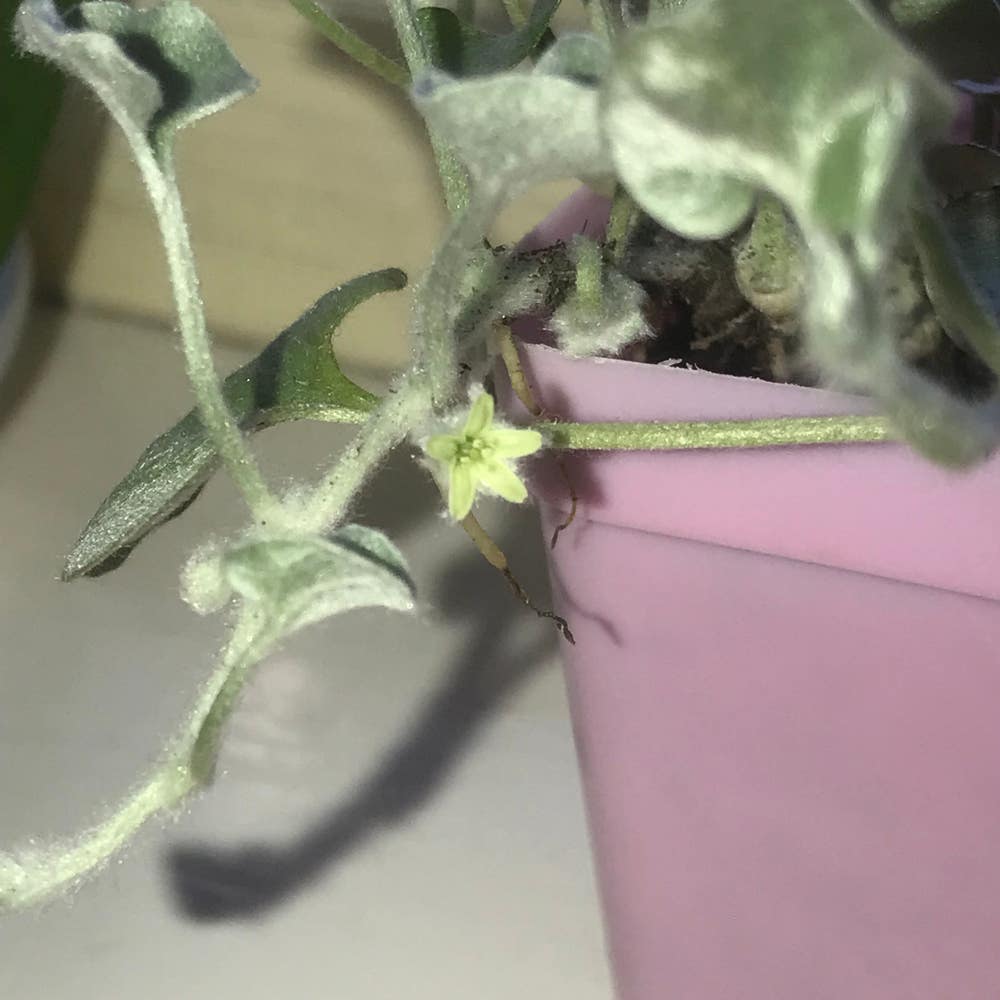
How to Grow Kidney Weed Outdoors
Dichondra repens
By the Greg Editorial Team
Nov 07, 2024•5 min read
This article was created with the help of AI so we can cover more plants for you. May contain errors. See one? Report it here.
Nurture your Kidney Weed 🌱 with essential tips on sunlight, watering, and seasonal care for vibrant growth!
- ☀️ Kidney Weed thrives in 6-8 hours of sunlight; too little causes leggy growth.
- 💧 Moist, well-drained soil is vital; avoid overwatering to prevent root rot.
- 🌱 Use organic fertilizers and mulch for healthy growth and moisture retention.
Sunlight Requirements
🌞 Ideal Sunlight Exposure
Kidney Weed thrives best in full sun to partial shade, requiring 6-8 hours of sunlight daily. This plant is surprisingly adaptable, showing a tolerance for dappled sunlight, making it a versatile choice for various garden settings.
🌱 Impact of Sunlight on Growth
Insufficient sunlight can lead to leggy growth and fewer flowers, which is a common frustration for gardeners. Conversely, excessive sunlight, especially in extreme heat, may cause leaf scorch, damaging the plant and hindering its overall health.
Understanding these sunlight requirements is crucial for cultivating a thriving Kidney Weed. With the right balance of light, your plants will flourish, setting the stage for the next steps in their care.
Watering Needs and Frequency
🌧️ General Watering Guidelines
Kidney Weed thrives in consistently moist, well-drained soil. This plant prefers a balance—too much dryness can hinder its growth, while overly saturated soil can lead to problems.
During dry spells, aim to water every 2-3 days. In cooler, wetter conditions, you can reduce this frequency to about once a week.
🚿 Signs of Overwatering and Underwatering
Recognizing the signs of overwatering is crucial. Look for yellowing leaves and root rot, which indicate that your plant is drowning.
On the flip side, underwatering manifests as wilting leaves and stunted growth. Keeping an eye on these signs will help you maintain the health of your Kidney Weed.
As you nurture your plants, remember that a little attention goes a long way. Next, we’ll explore the ideal soil preferences and amendments to further support your Kidney Weed's growth.
Soil Preferences and Amendments
Ideal Soil Composition 🌱
Kidney Weed thrives in well-draining, loamy soil rich in organic matter. This type of soil not only supports healthy root development but also retains moisture without becoming waterlogged.
The ideal pH level for Kidney Weed is slightly acidic to neutral, ranging from 6.0 to 7.0. Testing your soil's pH can help ensure optimal growth conditions.
Soil Amendments 🧑🌾
To enhance soil structure and fertility, incorporate organic matter such as compost. This addition boosts nutrient availability and improves moisture retention, creating a thriving environment for your plants.
If your soil tends to retain too much moisture, consider adding perlite or sand. These amendments improve drainage, preventing root rot and promoting healthier growth.
With the right soil composition and amendments, your Kidney Weed will flourish, setting the stage for vibrant blooms and robust foliage. Next, let’s explore the fertilization tips and schedules that will further support your plant's growth.
Fertilization Tips and Schedules
🌱 Fertilization Frequency
To give your Kidney Weed the best start, apply a balanced, slow-release fertilizer in early spring. This kickstarts growth as the plant awakens from dormancy.
In mid-summer, consider a light feeding with a liquid fertilizer. This optional boost can help sustain vigor during the peak growing season.
🧪 Types of Fertilizers
When it comes to fertilizers, you have options. Organic choices like fish emulsion or seaweed extract are excellent for those who prefer natural methods.
If you lean towards synthetic solutions, a balanced NPK fertilizer, such as 10-10-10, works well. This ensures your plant receives a steady supply of essential nutrients.
With proper fertilization, your Kidney Weed will thrive, setting the stage for a vibrant outdoor display. Next, let’s explore effective protection strategies to keep your plants healthy and resilient.
Protection Strategies
🌧️ Weather Protection Techniques
To ensure your Kidney Weed thrives, start with mulching. A layer of organic mulch not only retains moisture but also helps regulate soil temperature, creating a stable environment for growth.
Windbreaks are another essential strategy. By using barriers like fences or shrubs, you can shield your plants from strong winds that may damage them.
🐛 Common Outdoor Pests and Control Methods
Aphids are a common nuisance for Kidney Weed. Look for curled leaves as a telltale sign; you can control these pests effectively with insecticidal soap.
Slugs can also pose a threat, leaving irregular holes in leaves. Combat them using traps or diatomaceous earth, which creates a barrier that slugs find difficult to cross.
🦠 Diseases and Prevention
Root rot is a serious concern, but you can prevent it by ensuring your soil drains well and avoiding overwatering. Keeping an eye on moisture levels is crucial for healthy plants.
Fungal infections can also affect your Kidney Weed. To prevent these, improve air circulation around your plants and avoid overhead watering, which can create a damp environment conducive to disease.
With these protection strategies in place, your Kidney Weed will be better equipped to face the elements and pests. Next, let’s dive into the seasonal care needed to keep your plants flourishing throughout the year.
Seasonal Care
Spring Care Tips 🌱
As the growing season kicks off, it's time to give your Kidney Weed a boost. Apply a slow-release fertilizer to nourish the plant as it begins to thrive.
Pruning is also essential in spring. Remove any dead or damaged leaves to encourage fresh growth and a healthier plant overall.
Summer Care Considerations ☀️
Summer brings heat, and your Kidney Weed will need extra attention. Increase watering frequency during hot, dry spells to keep the soil consistently moist.
Don’t forget to monitor for pests. Regular checks can help you catch any signs of trouble early, ensuring your plants stay healthy and vibrant.
Fall Preparation for Winter 🍂
As temperatures drop, prepare your Kidney Weed for winter. Add a thicker layer of mulch around the base to protect the roots from frost.
Pruning is again important in the fall. Cut back any dead foliage to help the plant conserve energy as it enters dormancy.
Winter Care and Protection ❄️
Winter can be harsh, so take steps to protect your Kidney Weed. Use frost cloths or burlap to cover the plants during extreme cold spells.
Watering should be reduced, but ensure the soil doesn’t completely dry out. A little moisture can go a long way in keeping your plants healthy through the winter months.
With these seasonal care tips, your Kidney Weed will be well-equipped to thrive year-round. Next, let’s explore effective protection strategies to keep your plants safe from the elements and pests.
⚠️ Safety First
This content is for general information and may contain errors, omissions, or outdated details. It is not medical, veterinary advice, or an endorsement of therapeutic claims.
Always consult a qualified healthcare professional before using any plant as food, medicine, or supplement.
Never eat any plant (or feed one to pets) without confirming its identity with at least two trusted sources.
If you suspect poisoning, call Poison Control (800) 222-1222, the Pet Poison Helpline (800) 213-6680, or your local emergency service immediately.
Spotted an error? Please report it here.
Transform your outdoor space into a Kidney Weed paradise 🌱 with Greg's personalized care reminders and expert tips to keep your plants thriving all year long!