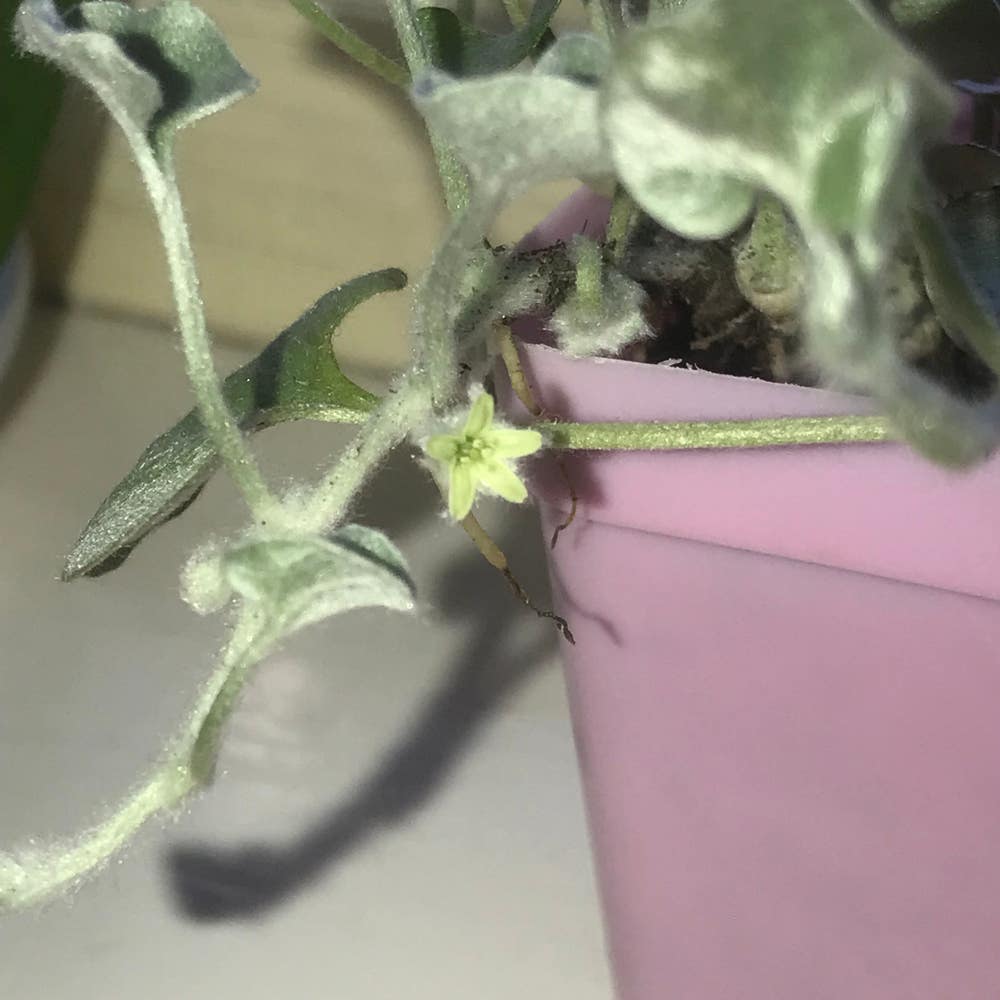
🌼 Kidney Weed Is a Perennial
Dichondra repens
By the Greg Editorial Team
Nov 07, 2024•5 min read
This article was created with the help of AI so we can cover more plants for you. May contain errors. See one? Report it here.
Elevate your garden's beauty and resilience with Kidney Weed's vibrant growth cycle! 🌱
- 🌱 Kidney Weed is a perennial, thriving for 5-10 years without annual replanting.
- 🌼 Spring and summer are peak growth seasons, showcasing vibrant flowers and foliage.
- 🌍 Supports biodiversity in gardens, enhancing sustainability and overall plant health.
Key Characteristics
🌱 Multi-Year Lifecycle
Kidney Weed is a remarkable perennial that thrives over multiple seasons, establishing itself as a long-term plant in your garden. Its lifecycle includes several stages: germination, growth, flowering, dormancy, and regrowth.
During germination, seeds sprout in the right conditions, leading to vigorous growth in the spring. As the plant matures, it flowers, typically in late summer to early fall, before entering a dormant phase during the colder months.
🌿 Growth Patterns and Regrowth from Roots
Kidney Weed exhibits distinct growth patterns throughout the year. In spring, it emerges with fresh shoots, reaching its full potential by summer, when it showcases vibrant flowers.
One of the plant's standout features is its ability to regrow from established root systems each spring. Healthy roots are crucial for this regrowth, ensuring that the plant can thrive year after year.
This resilience makes Kidney Weed a fantastic addition to any garden, providing beauty and stability through its multi-year lifecycle. As we explore its impact on growth and lifespan, you'll see how these characteristics contribute to its overall appeal.
Impact on Growth and Lifespan
Growth and Flowering Cycles 🌼
Kidney Weed showcases a vibrant growth cycle that unfolds beautifully throughout the year.
- Spring: New shoots and leaves burst forth, signaling the plant's awakening from dormancy.
- Summer: This is the peak growth and flowering period, where Kidney Weed displays its full glory.
- Fall: The plant shifts focus to seed production and begins preparing for the upcoming dormancy.
Overall Lifespan and Longevity Factors ⏳
Kidney Weed is a resilient perennial, often living for several years, typically between 5 to 10 years or even longer under optimal conditions.
Several factors influence its longevity:
- Soil Quality: Nutrient-rich, well-draining soil is crucial for robust growth.
- Water Availability: Consistent moisture during active growth supports health and vitality.
- Climate Conditions: The local climate can significantly impact growth patterns and lifespan.
Proper care is essential to maximize the lifespan of Kidney Weed. Regular attention to its needs can lead to a thriving plant that enhances your garden for years to come.
As we explore the dormancy and seasonal changes next, you'll see how these cycles further influence the plant's life and beauty.
Dormancy and Seasonal Changes
🌱 Description of Dormancy Periods
Kidney Weed experiences a dormant phase during the winter months. This period is crucial for conserving energy, and you'll notice signs like wilting leaves and significantly reduced growth.
🍂 Seasonal Changes in Growth and Appearance
The life cycle of Kidney Weed is a beautiful dance through the seasons.
🌼 Spring
In spring, expect rapid growth and vibrant leaf development as the plant awakens from dormancy.
☀️ Summer
By summer, Kidney Weed showcases its full foliage and bursts into bloom, creating a lush landscape.
🍁 Fall
As fall approaches, the plant prepares for dormancy, shedding leaves and focusing energy on root health.
❄️ Winter
During winter, Kidney Weed enters a dormant state, exhibiting minimal activity until the cycle begins anew.
Understanding these seasonal changes not only enhances your appreciation for Kidney Weed but also helps you plan for its care throughout the year. With this knowledge, you're better equipped to nurture this resilient perennial in your garden.
Advantages for Gardeners
🌱 Benefits of Perennial Nature
Kidney Weed is a gardener's dream due to its perennial nature. Once established, it eliminates the need for annual replanting, which saves both time and resources.
Its deep root systems are another significant advantage. These roots not only enhance drought resistance but also improve nutrient uptake, ensuring your garden thrives even in challenging conditions.
🌍 Long-Term Cultivation Benefits
Growing Kidney Weed contributes to a more sustainable garden ecosystem. As a perennial, it supports biodiversity and reduces the environmental impact associated with frequent replanting.
Additionally, the cost-effectiveness of Kidney Weed cannot be overstated. With fewer plants needed over time, you can enjoy a flourishing garden without breaking the bank.
Incorporating Kidney Weed into your garden planning not only simplifies maintenance but also enriches your gardening experience. As we explore the variations across climate zones, you'll see how adaptable this plant truly is.
Variations Across Climate Zones
🌦️ Influence of Climate on Behavior
Climate plays a crucial role in the growth of Kidney Weed. In warmer climates, the growing season can be extended, allowing the plant to thrive longer, while colder climates may shorten this period, impacting its overall development.
Kidney Weed adapts to local conditions, which means its growth patterns can vary significantly. For instance, in regions with milder temperatures, you might notice more vigorous growth and a longer flowering period compared to those in harsher environments.
🌱 Adaptations in Different Conditions
The flowering and dormancy of Kidney Weed also shift based on climate. In milder climates, it tends to flower longer and enter dormancy later, making it a vibrant addition to gardens.
Conversely, in harsher climates, Kidney Weed may enter dormancy earlier and have a shorter growing season. Understanding these variations can help gardeners plan effectively and maximize the plant's potential in their specific environment.
As you consider incorporating Kidney Weed into your garden, keep these climate influences in mind. They can significantly impact not just the plant's health, but also the overall aesthetic and functionality of your garden design.
Maximizing Benefits in Garden Planning
Tips for Long-Term Cultivation 🌱
Soil preparation is crucial for the success of Kidney Weed. Aim for well-draining, nutrient-rich soil to promote optimal growth.
Watering strategies also play a significant role. During active growth periods in spring and summer, ensure regular watering, but reduce frequency during the dormancy phase in winter.
Strategies for Incorporating in Garden Design 🏡
Companion planting can enhance your garden's ecosystem. Planting Kidney Weed alongside other perennials fosters biodiversity and can improve overall plant health.
Planning for seasonal changes is essential for a thriving garden. Design your layout to accommodate Kidney Weed's growth cycles and dormancy periods, ensuring year-round interest and beauty.
By considering these tips and strategies, you can maximize the benefits of Kidney Weed in your garden, creating a sustainable and vibrant space.
⚠️ Safety First
This content is for general information and may contain errors, omissions, or outdated details. It is not medical, veterinary advice, or an endorsement of therapeutic claims.
Always consult a qualified healthcare professional before using any plant as food, medicine, or supplement.
Never eat any plant (or feed one to pets) without confirming its identity with at least two trusted sources.
If you suspect poisoning, call Poison Control (800) 222-1222, the Pet Poison Helpline (800) 213-6680, or your local emergency service immediately.
Spotted an error? Please report it here.
Cultivate a thriving garden 🌱 with Kidney Weed by using Greg's tailored watering reminders and soil tips to ensure your perennial flourishes year after year!