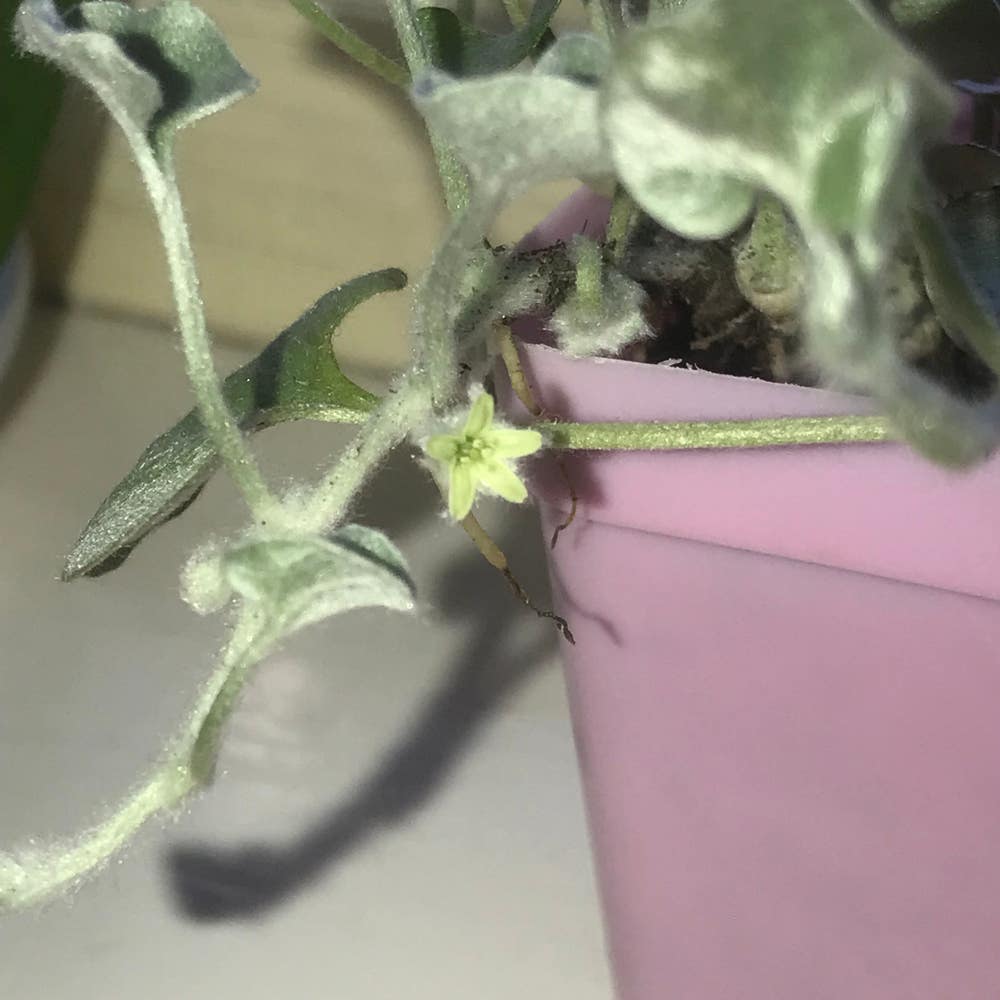
How to Care for Your Dichondra repens in Winter
Dichondra repens
By the Greg Editorial Team
Jul 24, 2024•5 min read
This article was created with the help of AI so we can cover more plants for you. May contain errors. See one? Report it here.
Safeguard your Dichondra repens' lush comeback 🌱 with tailored winter care and frost defense strategies.
- 🌱 Dormancy is crucial for Dichondra repens' winter survival and spring revival.
- ❄️ Frost protection is key: Identify risks and use materials to shield your plant.
- 🏡 Indoor care: Bring indoors if <50°F, monitor environment for optimal health.
Winter Dormancy Care
🥶 Understanding Dormancy
Dormancy in Dichondra repens is like hitting the pause button on its life cycle. As temperatures drop, this plant slows down its growth and conserves energy. It's a survival mechanism that helps it withstand the winter chill.
- During dormancy, Dichondra repens focuses on maintaining its existing structures.
- It stores energy in its roots, preparing for the burst of growth that comes with spring.
🌬️ Adjusting Care Routines
When Dichondra repens settles into its winter slumber, your care routine should adjust accordingly.
- Watering: Cut back on watering. Let the soil dry out more between sessions, but don't let it go completely dry.
- Fertilizing: Hold off on the fertilizer. The plant's reduced metabolic activity means it won't need as many nutrients.
- Air Circulation: Keep the air moving to prevent moisture buildup. A gentle fan or periodic opening of windows can help.
- Pruning: Tidy up by removing dead or yellowing leaves. Keep pruning to a minimum, focusing on damaged growth.
- Pest Monitoring: Stay vigilant for pests that thrive in indoor winter conditions and address them promptly.
- Humidity: Indoor heating can dry the air. Use a humidifier or misting to maintain humidity levels, if needed.
By respecting the dormancy of Dichondra repens and adjusting your care, you're setting the stage for a vibrant comeback once winter ends.
Frost Protection Strategies
❄️ Identifying Frost Risks
Dichondra repens can be sensitive to cold temperatures, signaling distress with stunted growth and discolored leaves. To prevent frost damage, it's crucial to recognize the signs and understand when your plant is at risk.
- Monitor local weather forecasts for frost advisories.
- Look for visual cues like wilting or color changes in the leaves, which may indicate cold stress.
- Keep an eye on the thermometer; frost risk increases as temperatures approach freezing.
🛡️ Implementing Protection
When frost threatens, swift action can save your Dichondra repens. Here's a step-by-step guide to shield your plant from the cold:
Gather frost protection materials such as:
- Frost cloths or blankets
- Old-fashioned lights that emit warmth
- PVC hoops or frameworks to keep covers off the foliage
Cover your Dichondra repens with frost cloths, ensuring they extend to the ground to trap heat.
If using lights for warmth, place them strategically under the covers, but be cautious of fire hazards.
Remove covers during the day to allow for sunlight and prevent overheating.
Consider providing a temporary shelter, like a greenhouse or cold frame, if severe frost is expected.
After frost, inspect the plant for signs of damage and take appropriate recovery steps, such as pruning affected areas.
Indoor Care Considerations
🌬️ When to Bring Indoors
Knowing when to bring Dichondra repens indoors is crucial for its survival through the colder months. Here's what to look out for:
- Temperature Threshold: Move your Dichondra repens inside before the temperature drops below 50°F (10°C), as it can't withstand frost.
- Plant Health Check: Inspect for pests and diseases before transitioning indoors to prevent spread and stress.
- Environmental Shifts: Pay attention to changes in daylight and temperature as autumn progresses, signaling the time for indoor relocation.
🏡 Indoor Environment Setup
Creating a supportive indoor environment for Dichondra repens during winter involves:
- Lighting: Position near a window that receives bright, indirect sunlight. Use sheer curtains to diffuse direct rays.
- Temperature Control: Maintain a stable indoor temperature, ideally between 60-75°F (15-24°C), avoiding drafts and heating vents.
- Humidity: Counteract dry indoor air from heating systems with a humidifier or a pebble tray with water beneath the plant pot.
- Watering: Reduce watering frequency, allowing the soil to dry slightly between waterings.
- Pest Monitoring: Keep an eye out for common indoor pests and treat promptly if needed.
- Air Circulation: Ensure good air flow around the plant to prevent fungal issues, but avoid placing it in the path of cold drafts.
Spring Transition
🌱 Assessing Winter Impact
After the chill of winter, it's crucial to evaluate your Dichondra repens for signs of stress or damage. Look for discolored leaves, thinning patches, or any signs of root rot, which may indicate poor drainage or overwatering during the colder months.
- Check for leaf discoloration or wilting, which could signal lingering issues.
- Inspect the plant's density; a thin appearance might suggest it struggled during winter.
- Examine the root area for signs of rot, especially if the soil was too moist.
🌷 Preparing for Spring Growth
As winter recedes, it's time to set the stage for your Dichondra repens to thrive. Begin with gentle pruning to remove any dead or damaged foliage, which encourages new growth and helps maintain the plant's lush, ground-covering habit.
- Prune sparingly to remove dead or damaged parts and stimulate new growth.
- Fertilize with an all-purpose plant food to provide essential nutrients for the growing season.
- Gradually increase watering as temperatures rise and the plant exits dormancy.
Remember, spring care sets the tone for the entire growing season, so take the time to ensure your Dichondra repens is poised for a vibrant comeback.
⚠️ Safety First
This content is for general information and may contain errors, omissions, or outdated details. It is not medical, veterinary advice, or an endorsement of therapeutic claims.
Always consult a qualified healthcare professional before using any plant as food, medicine, or supplement.
Never eat any plant (or feed one to pets) without confirming its identity with at least two trusted sources.
If you suspect poisoning, call Poison Control (800) 222-1222, the Pet Poison Helpline (800) 213-6680, or your local emergency service immediately.
Spotted an error? Please report it here.
Navigate your Dichondra repens through winter's chill to a spring revival 🌿 with Greg's personalized reminders for frost protection and care adjustments.