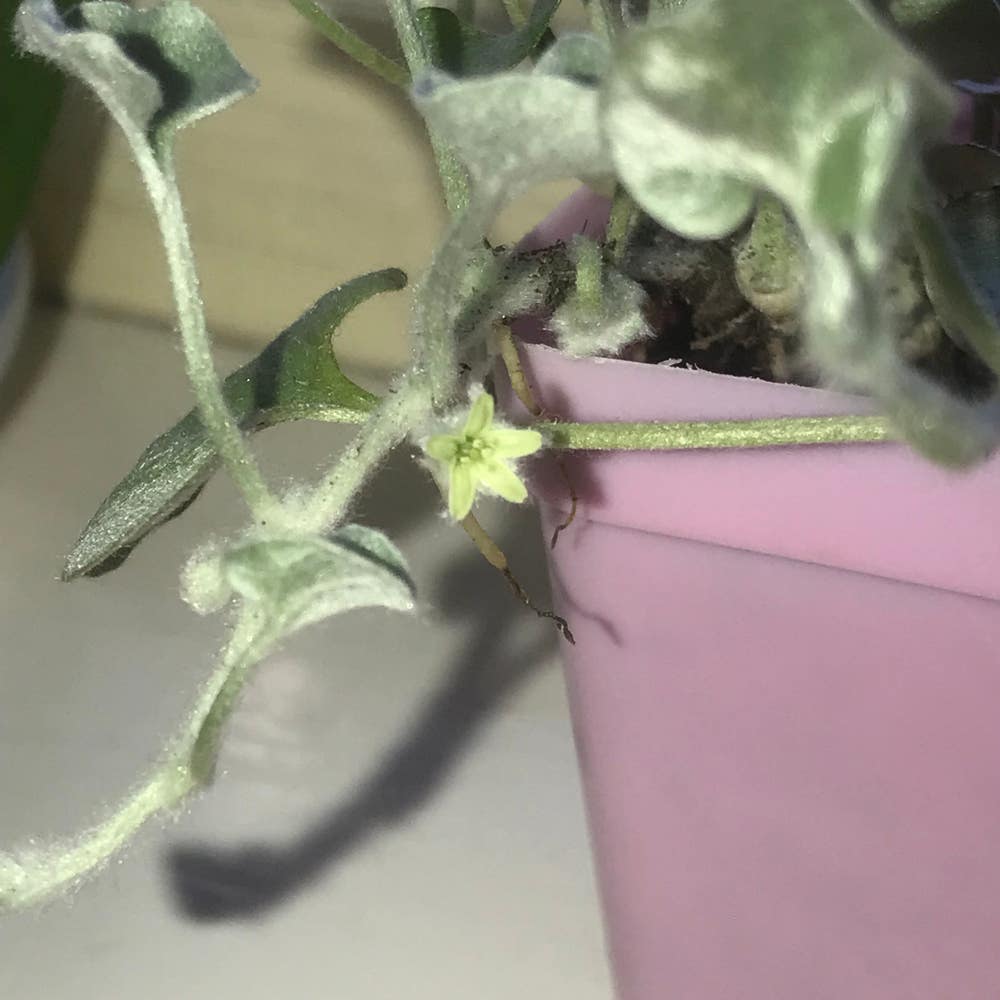
How and When Should I Cut Back My Dichondra repens?
Dichondra repens
By the Greg Editorial Team
Feb 28, 2024•3 min read
This article was created with the help of AI so we can cover more plants for you. May contain errors. See one? Report it here.
Prune your Dichondra to perfection 🌿 and unlock a year of lush growth with expert timing and technique!
- Prune in early spring/late winter for a lush Dichondra repens.
- Use sharp, sterilized shears for healthy cuts and disease prevention.
- Regular maintenance pruning promotes bushiness and prevents legginess.
Timing Your Trims: When to Prune Dichondra repens
🌼 Catching the Right Season
Early spring or late winter is your golden ticket for pruning Dichondra repens. This timing isn't just for kicks; it's when your plant is primed to branch out and thrive with the upcoming warmth.
🌦 Watching the Weather
Pruning during a heatwave or a frost advisory? Forget about it. Extreme weather stresses out your Dichondra, making it a no-go for the snip-snip.
🌱 Growth Cycle Cues
Get in tune with your Dichondra's life cycle. When it's gearing up for a growth spurt, that's your cue to grab the shears. Pruning during dormancy is a rookie move that can shock your plant's system.
The Pruning Process: How to Give Your Dichondra a Haircut
🛠️ Gear Up with the Right Tools
Sharpness is king when it comes to pruning tools. Grab a pair of pruning shears that can make precise cuts without mangling your Dichondra repens. Sterilize your tools with rubbing alcohol or a bleach solution to fend off any plant pathogens. It's like brushing your teeth, but for shears.
🌿 The Technique: Snip and Shape
Start by removing dead or damaged foliage to keep your Dichondra looking its best. Snip at the base of the unwanted growth, but not too close to the soil—leave a bit of a buffer. Aim to shape your Dichondra into a lush, even mat. Think of it as a green carpet that needs a regular trim to stay plush.
📏 Height Matters: How Low Should You Go?
Height plays a huge role in the health of your Dichondra. Cut too low, and you risk scalping the plant, too high, and it might look unkempt. A good rule of thumb is to prune no more than one-third of the plant's height at a time. This encourages new growth without putting too much stress on your ground cover.
Special Care: Rejuvenation Pruning Explained
🌱 The What and Why of Rejuvenation Pruning
Rejuvenation pruning is like hitting the reset button on your Dichondra repens. This intensive method invigorates your ground cover by promoting new, healthy growth. It's a strategic move, not a haphazard chop, designed to breathe new life into an overgrown or lackluster plant.
🛠 The Rejuvenation Routine
Gear Up
First, ensure your tools are sharp and clean to avoid infecting the cuts.
Assess the Situation
Next, take a good look at your Dichondra. Identify any parts that are overgrown or have lost their vigor.
Time to Cut
Then, it's time to prune. Cut back the plant significantly, but don't go overboard; you're aiming to stimulate growth, not to stress the plant.
Post-Prune Care
Finally, after pruning, give your Dichondra the care it needs. Water it sparingly and make sure it has enough sunlight to recover and thrive.
Keeping It Tidy: Maintenance Pruning Tips
🌿 Regular Touch-Ups
Regular maintenance pruning keeps your Dichondra repens looking its best. Aim to give it a trim every few months. This practice encourages bushy growth and prevents the plant from becoming overgrown and leggy.
🌱 Encouraging Lush Lateral Growth
To promote a full, dense carpet of green, focus on strategic snipping. Trim back the longest stems to encourage growth closer to the ground. This will help maintain the plant's natural cascading habit and prevent it from looking sparse. Remember, it's about enhancing the plant's form, not stripping it down to the nubs.
⚠️ Safety First
This content is for general information and may contain errors, omissions, or outdated details. It is not medical, veterinary advice, or an endorsement of therapeutic claims.
Always consult a qualified healthcare professional before using any plant as food, medicine, or supplement.
Never eat any plant (or feed one to pets) without confirming its identity with at least two trusted sources.
If you suspect poisoning, call Poison Control (800) 222-1222, the Pet Poison Helpline (800) 213-6680, or your local emergency service immediately.
Spotted an error? Please report it here.
Trim your Dichondra repens into a flourishing masterpiece 🌿 with Greg's tailored reminders and care tips, ensuring you cut back at just the right time from the insights in this article!