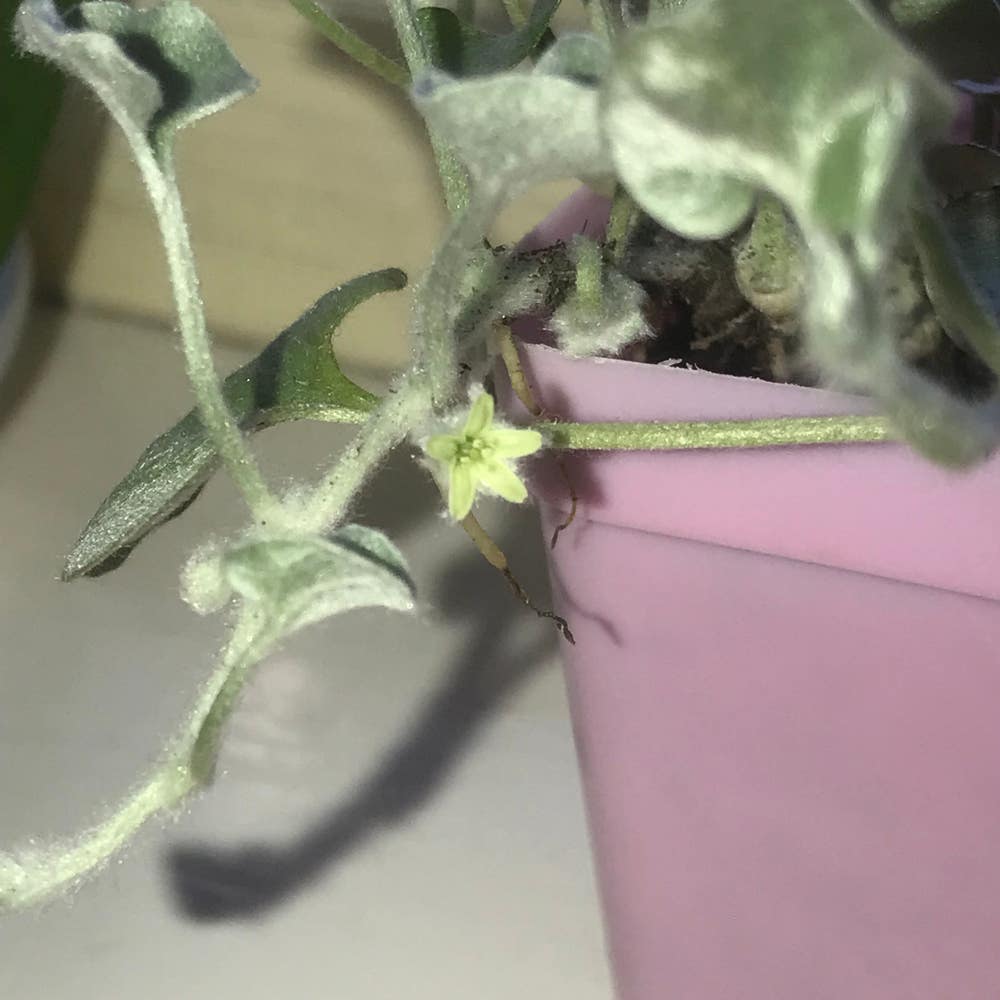
What Temperature Should My Dichondra repens Be Kept At?
Dichondra repens
By the Greg Editorial Team
Feb 28, 2024•4 min read
This article was created with the help of AI so we can cover more plants for you. May contain errors. See one? Report it here.
Keep your Dichondra repens happy 🌿 and healthy by nailing the perfect 65°F to 75°F comfort zone!
- 65°F to 75°F is ideal for Dichondra repens' health and growth.
- 🌡️ Monitor with gadgets: Use thermometers and thermostats for temperature control.
- Protect from extremes: Move to shade or warmth if too hot or cold.
Dialing in the Perfect Temperature
🌡️ The Goldilocks Zone: 65°F to 75°F
Dichondra repens thrives in a temperature range that's just right. 65°F to 75°F is the sweet spot, where this plant performs its best photosynthesis without breaking a sweat. Stray outside this zone, and you're asking for trouble. Too hot or too cold, and your Dichondra repens could start to sulk or even throw a full-blown tantrum.
🌞 When Things Heat Up: Protecting Dichondra repens from High Temperatures
Heat stress is no joke for Dichondra repens. Look out for wilting or leaf scorch—these are your plant's way of crying out for help. To cool down your plant, move it to a shadier spot or consider a gentle misting. But don't overdo it; nobody likes a soggy plant.
🥶 Chilly Concerns: Shielding Dichondra repens from the Cold
Cold stress signs include stunted growth and discolored leaves. If your Dichondra repens is shivering, it's time to act. Move it to a warmer location, away from drafty windows. And remember, while a cozy blanket won't help your plant, ensuring the room stays within the Goldilocks zone just might.
Recognizing the Red Flags of Temperature Stress
🌡️ Visual SOS: Wilting, Discoloration, and Stunted Growth
Your Dichondra repens is communicating through its leaves. Wilting? It's likely sweltering in too much heat. Discoloration? That's a red flag for temperature distress. Stunted growth? The plant's development is being hampered by less-than-ideal temperatures. To respond, adjust the plant's environment promptly. Move it away from heat sources or cold drafts and consider the humidity levels.
🌡️ The Aftermath of Temperature Tantrums
Repeated temperature stress doesn't just cause a bad day for your Dichondra repens; it can lead to a downward spiral of health. Long-term exposure to incorrect temperatures may result in a compromised immune system, making your plant more susceptible to pests and diseases. It's like a stressed-out body catching every cold going around. Keep a vigilant eye on your plant's environment to prevent these chronic issues.
Keeping Your Cool (or Warmth): Temperature Control Tactics
🏡 Home Sweet Home: Finding the Right Spot
Finding the right spot for your Dichondra repens is crucial for temperature regulation. You want to avoid the double trouble of direct sunlight and cold drafts, which are like kryptonite to your plant's well-being.
💻 Tech to the Rescue: Using Gadgets to Keep Temperatures in Check
Thermometers and thermostats are the unsung heroes in the world of plant care. They're the watchdogs that bark when temperatures stray, helping you maintain that cozy, plant-friendly vibe. Adjust your home's temperature with the seasons to keep your Dichondra repens from throwing a fit.
A Quick Nod to Humidity
Humidity isn't the headline act in the Dichondra repens show, but it's still on the bill. Temperature might take the lead guitar, but humidity is the bass line that keeps everything grooving smoothly.
🎵 The Humidity-Temperature Ensemble
Dichondra repens doesn't demand a tropical steam bath, but it doesn't want to live in a desert either. Aim for moderate humidity; this plant isn't fussy as long as you don't swing to the extremes.
👀 Spotting the Signs
Keep an eye out for crispy leaf edges or a droopy demeanor. These could be your Dichondra repens' way of crying out for a humidity tweak.
🛠 Quick Fixes for Humidity Harmony
If your plant's environment is drier than a stand-up comic's humor, consider a humidifier. Too moist? A dehumidifier or increased air circulation might be your ticket to balance.
📅 The Role of Seasons
As the year rolls on, indoor humidity levels can rollercoaster. Your Dichondra repens isn't tracking the calendar, but it feels those seasonal shifts. Adjust your care accordingly.
🌡️ Humidity Gadgets
A hygrometer isn't just a fancy thermometer's cousin; it's your secret weapon in the quest for humidity nirvana. Keep one handy to avoid the guesswork and keep your Dichondra repens jamming happily.
⚠️ Safety First
This content is for general information and may contain errors, omissions, or outdated details. It is not medical, veterinary advice, or an endorsement of therapeutic claims.
Always consult a qualified healthcare professional before using any plant as food, medicine, or supplement.
Never eat any plant (or feed one to pets) without confirming its identity with at least two trusted sources.
If you suspect poisoning, call Poison Control (800) 222-1222, the Pet Poison Helpline (800) 213-6680, or your local emergency service immediately.
Spotted an error? Please report it here.
Ensure your Dichondra repens always enjoys the ideal climate 🌡 with Greg's custom environment tracking and care tips, keeping it lush and healthy.