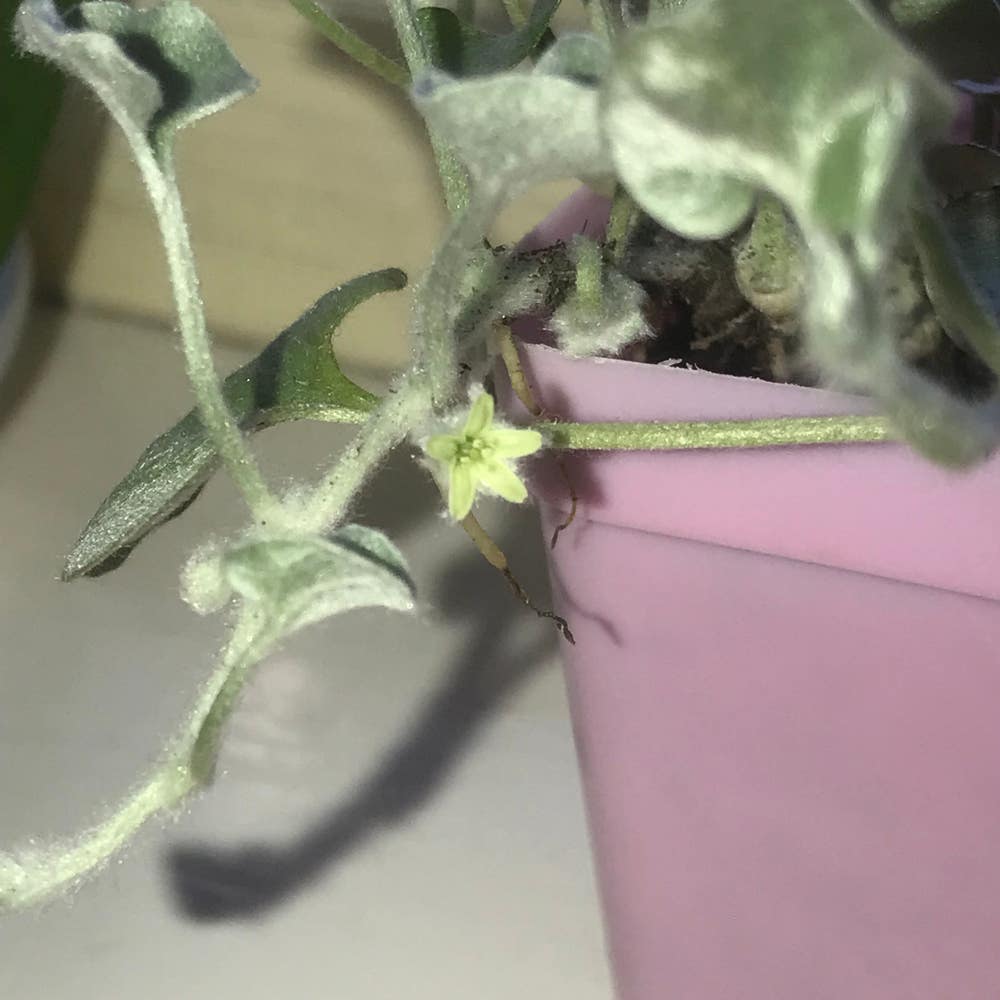
Choosing the Best Pot for Your Kidney Weed
Dichondra repens
By the Greg Editorial Team
Nov 07, 2024•6 min read
This article was created with the help of AI so we can cover more plants for you. May contain errors. See one? Report it here.
Unlock your Kidney Weed's full potential with the right pot choice! 🌱🌿 Discover how to thrive!
- 🌱 Start seedlings in 4-6 inch pots for healthy root development.
- 🪴 Repot every 1-2 years to prevent root-bound issues and promote growth.
- 💧 Choose pots with drainage holes to avoid root rot and maintain moisture balance.
Pot Sizes for Different Growth Stages
🌱 Recommended Sizes for Seedlings
When starting your kidney weed, choose a container that is 4-6 inches in diameter. This size, with a depth of at least 4 inches, is perfect for encouraging healthy root development.
Starting small is crucial; it helps the roots establish themselves before they face the challenges of a larger environment. A snug fit promotes robust growth, setting the stage for a thriving plant.
🌳 Ideal Sizes for Mature Plants
As your kidney weed matures, it will need more space. A container size of 10-12 inches in diameter and a depth of 8-10 inches will support its extensive root system.
Larger pots allow for a spreading growth habit, giving your plant the room it needs to flourish. This transition is vital for maintaining overall plant health and vigor.
🔄 Transitioning Sizes as the Plant Grows
Repotting is an essential part of plant care. Move your kidney weed to a larger pot every 1-2 years or whenever you notice it's root-bound.
Signs that it's time to transition include roots growing out of drainage holes or stunted growth. Gradual size increases are important to avoid overpotting, which can lead to water retention issues and root rot.
Understanding these pot size guidelines will help you nurture your kidney weed effectively. With the right container, your plant can thrive and reach its full potential.
Pot Materials
🌱 Benefits of Clay Pots
Clay pots are a fantastic choice for your Kidney Weed. Their porosity allows for better air circulation and moisture evaporation, which is crucial for healthy root development.
Additionally, clay pots help regulate temperature, keeping roots cool during hot weather. Their natural aesthetic also enhances the visual appeal of your plants, making them a popular option among gardeners.
🪴 Advantages of Plastic Pots
Plastic pots offer several practical benefits. They are lightweight and easy to move, making them ideal for those who like to rearrange their plants frequently.
Moreover, plastic retains moisture longer than clay, which can be beneficial in drier conditions. With a variety of colors and styles available, plastic pots can also add a decorative touch to your plant display.
🏺 Comparison of Other Materials
Ceramic pots are another option, known for their attractive designs. However, they tend to be heavier and may retain moisture too well, which can lead to overwatering issues.
Biodegradable pots provide an eco-friendly alternative, perfect for temporary use. While they are great for the environment, they may not last long-term, so consider your needs carefully.
When selecting a pot, always think about how each material impacts drainage and moisture retention. This consideration is essential for maintaining the health of your Kidney Weed.
Understanding the characteristics of different pot materials will help you make informed choices that support your plant's growth. With the right pot, your Kidney Weed can thrive beautifully.
Drainage Considerations
Importance of Drainage Holes 🌱
Drainage holes are crucial for the health of your Kidney Weed. They prevent root rot and overwatering, which can quickly lead to plant decline.
Aim for at least 3-5 small holes at the bottom of your pot. Each hole should be about 1/4 inch in size to ensure adequate drainage.
Ensuring Proper Drainage in Pots 🚰
To promote proper drainage, start with a well-draining potting mix. Incorporating materials like perlite or sand can significantly improve drainage capabilities.
Elevating your pots using pot feet or trays allows excess water to escape freely. Regularly check drainage holes for blockages to maintain optimal conditions.
Signs of Poor Drainage and Their Impact ⚠️
Watch for symptoms of poor drainage, such as yellowing leaves or wilting plants, even when watered adequately. These signs often indicate that your plant is struggling.
Long-term effects of inadequate drainage include root rot, stunted growth, and potentially, plant death. Monitoring your pot choice and drainage performance is essential for keeping your Kidney Weed thriving.
With these considerations in mind, you'll be well-equipped to ensure your plants receive the care they need. Next, we’ll explore the process of repotting your Kidney Weed effectively.
Repotting Kidney Weed
When to Repot 🌱
Repotting your Kidney Weed is essential for its health and growth. Look for signs like roots visible through drainage holes or a noticeable slowdown in plant growth, indicating it's time for a new pot.
Aim to repot every 1-2 years, or sooner if you notice these indicators. Keeping an eye on your plant's growth will help you determine the right timing for repotting.
Choosing the Right Pot When Repotting 🪴
Selecting the right pot is crucial for your plant's success. Follow the guidelines for transitioning pot sizes to ensure your Kidney Weed has enough room to grow.
Consider the material of the pot as well. Choose one that meets your plant's moisture retention needs and fits your aesthetic preferences. Always ensure the new pot has adequate drainage holes to prevent waterlogging.
Step-by-Step Guide to Repotting 🛠️
Repotting can seem daunting, but following these steps makes it manageable:
- Prepare the new pot: Ensure it has drainage holes and is clean.
- Remove the plant: Gently loosen the root ball from the old pot.
- Inspect the roots: Trim any dead or rotting roots before placing in the new pot.
- Fill the new pot: Use fresh, well-draining potting mix.
- Position the plant: Place it at the same depth as in the previous pot.
- Water thoroughly: Ensure the soil is moist but not waterlogged.
By following these steps, you can give your Kidney Weed a fresh start in a new pot, promoting healthy growth and vitality.
As you repot, keep in mind the importance of monitoring your plant's needs. This attention will help you avoid common pitfalls and ensure your Kidney Weed thrives.
Common Mistakes in Pot Selection
🌱 Overpotting vs. Underpotting
Choosing the right pot size is crucial for your Kidney Weed's health. Overpotting can lead to excess water retention, which often results in root rot; watch for signs like yellowing leaves.
Conversely, underpotting restricts growth potential. If you notice your plant becoming root-bound, it’s a clear indication that it needs a larger home. Striking a balance between these extremes is essential for optimal plant health.
🧱 Misconceptions About Pot Materials and Plant Health
There’s a common myth that all pots retain moisture equally, but this couldn’t be further from the truth. Different materials interact uniquely with moisture levels, impacting your plant's well-being.
Understanding how materials like clay, plastic, and ceramic affect moisture retention is vital for your Kidney Weed's success. Choose wisely to create the best environment for growth.
🛠️ Tips to Avoid Common Potting Errors
To prevent potting mistakes, always check for drainage holes before making a purchase. Proper drainage is non-negotiable for healthy plants.
Keep an eye on your plant's growth and adjust pot size as needed. Regularly assessing moisture levels will help you avoid the pitfalls of overwatering or underwatering. With these tips, you can ensure your Kidney Weed thrives in its pot!
⚠️ Safety First
This content is for general information and may contain errors, omissions, or outdated details. It is not medical, veterinary advice, or an endorsement of therapeutic claims.
Always consult a qualified healthcare professional before using any plant as food, medicine, or supplement.
Never eat any plant (or feed one to pets) without confirming its identity with at least two trusted sources.
If you suspect poisoning, call Poison Control (800) 222-1222, the Pet Poison Helpline (800) 213-6680, or your local emergency service immediately.
Spotted an error? Please report it here.
Choose the perfect pot for your kidney weed 🌱 with Greg's tailored reminders and expert tips to keep your plant thriving and happy!