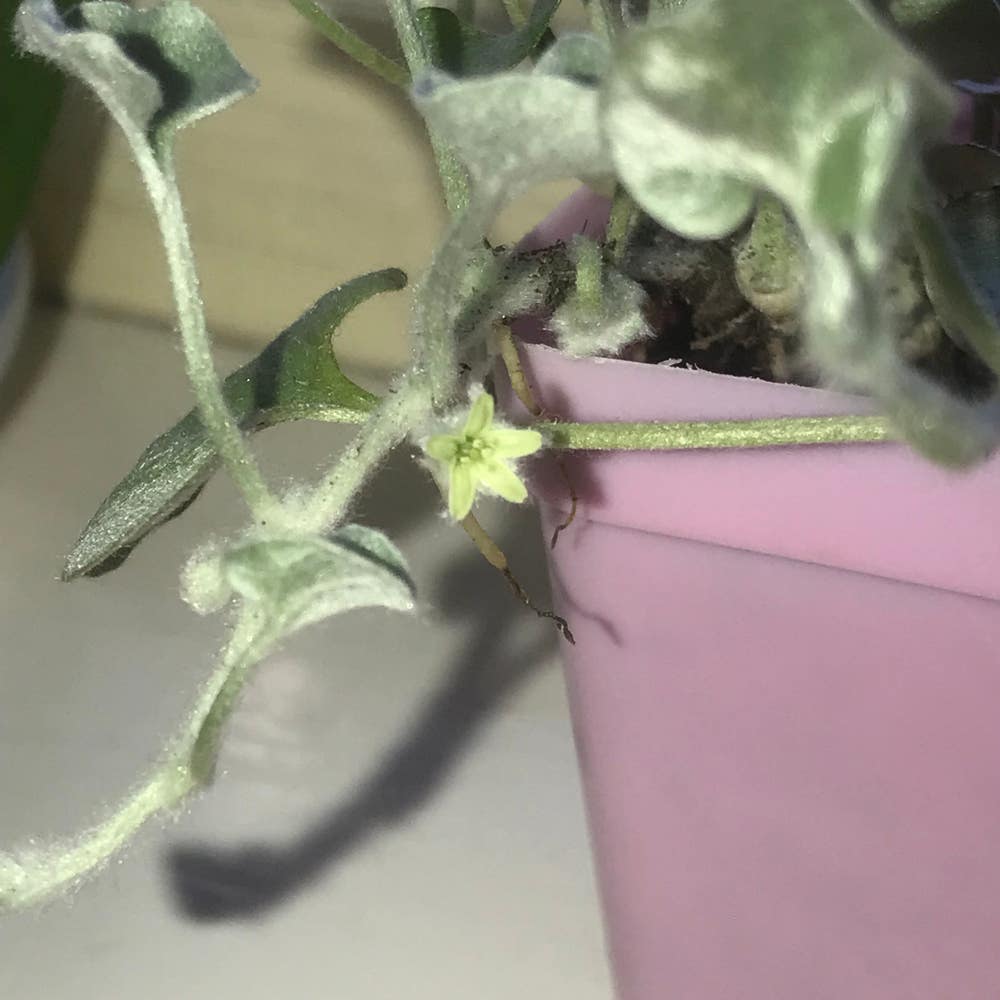
🍃 Ultimate Guide to Fixing Dropping Leaves on Kidney Weed
Dichondra repens
By the Greg Editorial Team
Nov 07, 2024•7 min read
This article was created with the help of AI so we can cover more plants for you. May contain errors. See one? Report it here.
Prevent leaf drop in your Kidney Weed with these essential care tips for a thriving plant! 🌿
- 💧 Overwatering causes leaf drop; ensure soil is moist, not soggy.
- 🌱 Nutrient deficiencies lead to discoloration; regular soil testing is essential.
- 🐛 Pests like aphids can damage leaves; early detection is key for control.
Causes of Leaf Drop
💧 Overwatering and Its Effects
Overwatering is a common culprit behind leaf drop in Kidney Weed. Symptoms include yellowing leaves and wilting, even when the soil feels wet, indicating root rot.
The impact on plant health can be severe. Roots suffocate due to a lack of oxygen, making the plant more susceptible to fungal diseases. To maintain optimal health, aim for soil that is consistently moist but never soggy.
🚰 Underwatering and Its Symptoms
Underwatering can also lead to distress in your Kidney Weed. Signs include leaves curling or becoming crispy, along with stunted growth and premature leaf drop.
Prolonged underwatering stresses the plant, weakening its overall health. Once moisture levels are restored, recovery can be challenging, so it's crucial to monitor watering closely.
🥦 Nutrient Deficiencies and Their Impact
Nutrient deficiencies can significantly affect the vitality of your Kidney Weed. A nitrogen deficiency often results in yellowing leaves and eventual leaf drop, while iron deficiency leads to chlorosis, characterized by yellowing between the veins.
To assess nutrient levels, conduct soil testing for pH and nutrient content. Look for signs of nutrient imbalance in leaf coloration and growth patterns to guide your care.
🐜 Pest Infestations
Pests can wreak havoc on your Kidney Weed, leading to leaf drop. Common offenders include aphids, which cause leaf curling, and spider mites, known for stippling leaves and overall decline.
Identifying pest issues early is key. Look for visible insects on leaves or webbing, and note any damage patterns that indicate pest activity.
🌡️ Environmental Stress Factors
Environmental conditions play a crucial role in the health of your Kidney Weed. Ideal temperatures range from 15°C to 25°C (59°F to 77°F). Stress from heat or cold can lead to leaf drop and discoloration.
Humidity is another factor to consider. Kidney Weed prefers moderate to high humidity levels, and low humidity can cause leaf curling and drop. Additionally, ensure your plant receives optimal light—partial shade is best to avoid scorching. Symptoms of too much light include bleached leaves and subsequent drop.
Understanding these causes of leaf drop will help you take proactive measures to maintain the health of your Kidney Weed. Next, we’ll explore how to diagnose these leaf drop issues effectively.
Diagnosing Leaf Drop Issues
🌊 Identifying Signs of Overwatering
Overwatering is a common issue for Kidney Weed, and recognizing its signs early can save your plant. Look for soil that feels consistently wet and mushy, along with roots that appear brown and mushy upon inspection.
To diagnose overwatering accurately, consider using a soil moisture meter. This handy tool helps you check moisture levels, ensuring your plant gets just the right amount of water.
💧 Recognizing Underwatering Symptoms
Underwatering can be just as detrimental. Signs include leaves that appear dry and crispy, and soil that pulls away from the edges of the pot.
For a quick check, use the finger test: insert your finger into the soil to gauge moisture. If it feels dry several inches down, it's time to water.
🧪 Assessing Nutrient Levels in Soil
Nutrient deficiencies can lead to leaf drop, so assessing soil health is crucial. Use home soil testing kits to check pH and nutrient levels, which can reveal imbalances affecting your plant's growth.
Additionally, observe your plant's growth patterns and leaf coloration. Changes in these areas can indicate nutrient deficiencies that need addressing.
🐛 Checking for Pests and Diseases
Pests can wreak havoc on your Kidney Weed, leading to leaf drop. Regularly examine the undersides of leaves for visible pests and monitor for signs of disease, such as spots or mold.
Early detection is key. If you spot any issues, take action immediately to prevent further damage.
🌡️ Evaluating Environmental Conditions
Environmental factors play a significant role in plant health. Use thermometers and hygrometers to monitor temperature and humidity levels, ensuring they stay within the ideal range.
Also, assess light exposure by observing your plant's location. Adjusting its position can help avoid stress from inadequate or excessive light, promoting healthier growth.
By diagnosing these issues effectively, you can take the necessary steps to restore your Kidney Weed to its vibrant self. Next, let’s explore solutions for leaf drop to help your plant thrive.
Solutions for Leaf Drop
🌊 Adjusting Watering Practices
Watering is crucial for the health of your Kidney Weed. Aim to water when the top inch of soil feels dry, ensuring that you’re not over or underwatering.
Using a moisture meter can help you achieve precision in your watering routine. Water deeply to encourage robust root growth, but be careful to avoid letting the plant sit in standing water, which can lead to root rot.
🌱 Fertilizing for Nutrient Balance
To keep your Kidney Weed thriving, consider using a balanced NPK fertilizer, such as a 10-10-10 mix. Organic options like compost or well-rotted manure can also provide essential nutrients.
Fertilize every 4-6 weeks during the growing season to maintain nutrient balance. This regular feeding will help prevent deficiencies that can lead to leaf drop.
🐞 Pest Control Methods
Pest infestations can wreak havoc on your plant. For organic pest control, try neem oil or insecticidal soap to tackle common pests like aphids and spider mites.
Introducing beneficial insects, such as ladybugs, can also help keep pest populations in check. Regular inspections are key; catch any issues early to prevent significant damage.
🌤️ Modifying Environmental Conditions
Environmental factors play a significant role in plant health. Adjust temperature and humidity by using humidifiers or pebble trays to create a more favorable environment.
If your plant shows signs of stress, consider relocating it to avoid temperature extremes. Additionally, moving plants to shadier spots can prevent leaf scorch from excessive light exposure.
🌿 Soil Amendments for Better Drainage
Good drainage is essential for Kidney Weed. Use a well-draining potting mix that includes perlite or sand to ensure excess water can escape.
To further improve drainage, consider adding organic matter to enhance soil structure. This will help maintain the right moisture levels without risking root suffocation.
By implementing these solutions, you can effectively address leaf drop issues and promote a healthier, more vibrant Kidney Weed. Next, let’s explore preventative measures to keep your plant thriving year-round.
Preventative Measures
🌊 Best Practices for Watering
Establishing a consistent watering routine is crucial for maintaining healthy Kidney Weed. Consider using the Greg plant care app to set reminders, ensuring you never forget to check on your plant.
To avoid the pitfalls of over and underwatering, regularly check the soil moisture. Adjust your watering schedule based on the moisture levels to keep your plant thriving.
🧪 Regular Soil Testing for Nutrients
Soil testing is essential for monitoring nutrient levels in your Kidney Weed. Aim to test your soil every 6-12 months to ensure it has the right balance of nutrients.
Based on the results, tailor your fertilization and amendments accordingly. This proactive approach helps maintain optimal plant health and prevents nutrient deficiencies.
🐛 Monitoring for Pests Regularly
Regular inspections are key to catching pest infestations early. Schedule weekly checks to look for any signs of pests on your Kidney Weed.
Incorporate preventative treatments like neem oil into your routine. This natural solution can help deter pests before they become a problem.
🌡️ Ideal Environmental Conditions for Growth
Maintaining optimal temperature and humidity is vital for your plant's well-being. Keep your Kidney Weed in a stable environment to reduce stress and promote growth.
Light management is equally important. Ensure your plant receives adequate light without being exposed to excessive sunlight, which can lead to leaf scorch.
🍂 Seasonal Care Tips to Prevent Leaf Drop
Adjusting your care routine with the changing seasons can significantly impact your plant's health. In winter, reduce watering to prevent over-saturation.
During dry seasons, increase humidity levels around your Kidney Weed. This simple adjustment can help prevent leaf drop and keep your plant looking vibrant.
By implementing these preventative measures, you can create a nurturing environment for your Kidney Weed, ensuring it remains healthy and lush throughout the year. Next, we’ll explore solutions for addressing any leaf drop issues you may encounter.
⚠️ Safety First
This content is for general information and may contain errors, omissions, or outdated details. It is not medical, veterinary advice, or an endorsement of therapeutic claims.
Always consult a qualified healthcare professional before using any plant as food, medicine, or supplement.
Never eat any plant (or feed one to pets) without confirming its identity with at least two trusted sources.
If you suspect poisoning, call Poison Control (800) 222-1222, the Pet Poison Helpline (800) 213-6680, or your local emergency service immediately.
Spotted an error? Please report it here.
Keep your Kidney Weed vibrant and healthy 🌱 by using Greg's tailored watering reminders and nutrient tips to prevent leaf drop and ensure thriving growth!